
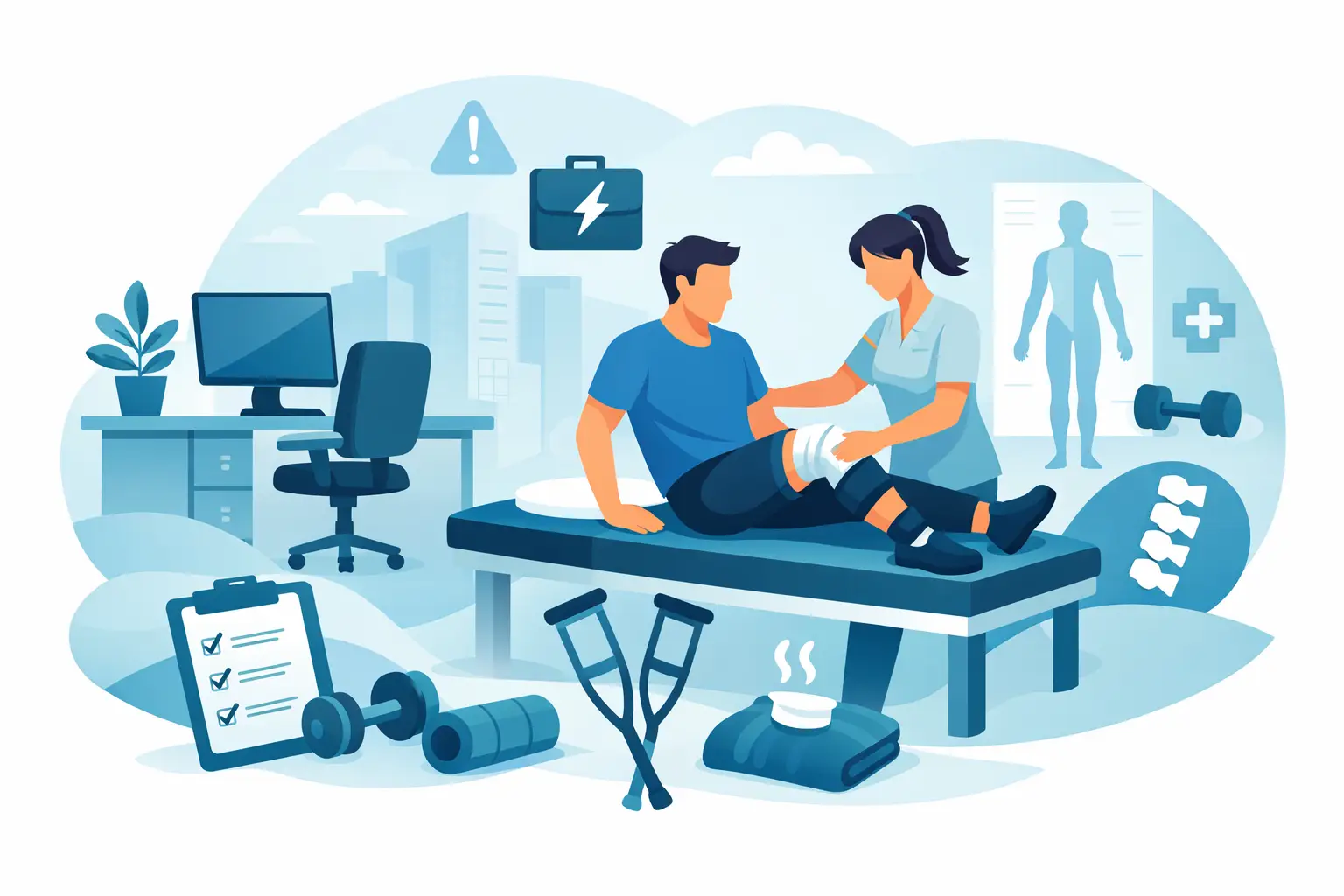
Physio for Workplace Injury Recovery
A sore back after lifting, wrist pain that started at your workstation, or a shoulder strain from repetitive overhead work can change your day fast. Physio for workplace injury is designed to do more than ease pain – it helps you recover function, rebuild confidence, and get back to work safely without guessing your way through it.
Work injuries are not limited to dramatic accidents. Many develop gradually from repetition, awkward posture, forceful movement, or long hours in the same position. Others happen in a single moment – a slip, a twist, or lifting something heavier than expected. Either way, the goal of treatment is the same: identify what was injured, understand why it happened, and create a plan that supports real recovery.
How physio for workplace injury helps
Physiotherapy after a work injury starts with a detailed assessment. That matters because two people can have the same job title and very different reasons for pain. One warehouse worker may be dealing with a lower back strain from repeated bending. Another may have hip weakness and poor lifting mechanics that keep stressing the same area.
A good treatment plan looks at symptoms, movement patterns, strength, mobility, and the physical demands of your job. That wider view helps your provider address the root problem instead of only chasing pain from week to week.
Treatment often includes hands-on therapy, guided exercise, mobility work, and strategies to reduce strain during daily tasks. If your job involves lifting, carrying, climbing, pushing, typing, standing, or driving for long periods, rehab should reflect those demands. Recovery is usually better when treatment is specific to what your body needs to do at work, not just what feels uncomfortable at rest.
Common injuries treated with physio for workplace injury
Workplace injuries can affect nearly any part of the body, but some patterns show up often. Back and neck strains are common in physically demanding roles and desk-based jobs alike. Shoulder injuries can happen with repetitive overhead motion, lifting, or awkward reaching. Elbow, wrist, and hand pain may develop from tool use, computer work, gripping, or repetitive tasks on a production line.
Knee and ankle injuries also deserve attention, especially when a job involves uneven surfaces, stairs, pivoting, kneeling, or long periods on your feet. Some patients come in after a clear incident, while others say the pain built up slowly until normal work tasks became hard to manage.
That difference affects treatment. Acute injuries may need early pain control, protection, and a gradual increase in movement. Repetitive strain injuries often need a closer look at mechanics, endurance, workload tolerance, and work setup. One is not necessarily simpler than the other.
Not every work injury looks serious right away
This is where people often lose time. A mild ache can turn into a longer recovery if it is ignored for weeks. Small compensation patterns start to build. You move differently to avoid discomfort, other areas begin to work harder, and what started as a local problem can become more widespread.
Early assessment does not always mean a long treatment plan. In many cases, it means catching the issue before it becomes harder to treat.
What to expect during treatment
Most people want to know two things right away: how long recovery will take and when they can get back to normal work. The honest answer is that it depends on the injury, how physically demanding your job is, how long symptoms have been present, and whether the problem is straightforward or layered.
Your first visits are usually focused on understanding irritability, restoring basic movement, and reducing pain. From there, treatment progresses toward strength, endurance, coordination, and work-specific activity. If you need to lift, your rehab should include lifting. If you need to sit for long hours without flaring your symptoms, treatment should build tolerance for that too.
Some patients improve quickly with a focused program and a few key changes. Others need a longer progression, especially if they returned to work too soon, have repeated flare-ups, or are dealing with more than one painful area.
Passive care has a role, but it is not the whole plan
Hands-on treatment can be very helpful, especially early on. Manual therapy, soft tissue treatment, acupuncture, or other supportive techniques may reduce pain and improve movement enough for you to participate better in exercise-based rehab. But passive care alone rarely solves a workplace injury completely.
Lasting change usually comes from combining symptom relief with active recovery. That means retraining movement, improving strength and control, and building tolerance for real-life work demands. If treatment feels good for a day but your symptoms keep returning every shift, the plan likely needs to go deeper.
Why personalized rehab matters
Two workers can have the same diagnosis and need very different rehab plans. A cashier with neck tension, a mechanic with shoulder pain, and an office worker with repetitive wrist symptoms are all dealing with job-related strain, but the path back is not identical.
Personalized care matters because recovery is tied to function. Your treatment plan should reflect your work environment, your current limitations, and your goals. It should also adjust as you improve. Early rehab might focus on pain-free movement and reducing inflammation. Later rehab may need to challenge lifting tolerance, sustained posture, rotational control, or balance depending on the role.
This is also where multidisciplinary care can be valuable. Some injuries respond best when physiotherapy is coordinated with other hands-on treatments or supportive services based on the individual case. At a clinic like Panorama Physiotherapy and Chiropractic Clinic, that can make care more streamlined for patients who benefit from more than one approach under one roof.
Returning to work safely
Getting back to work is not always a simple yes-or-no decision. For some people, a full return is appropriate once pain settles and function improves. For others, modified duties are the smarter step while strength and tolerance continue to build.
That middle ground is important. Returning too early to the same aggravating tasks can delay healing. Staying inactive for too long can also create setbacks, including stiffness, deconditioning, and loss of confidence in movement. The right plan usually balances recovery with progressive re-entry.
Your physiotherapist may guide you through pacing, body mechanics, and task modification so your return is realistic. That might mean changing how often you lift, improving workstation setup, varying repetitive tasks, or building in movement breaks. Small changes can reduce re-injury risk when they are based on the actual cause of the problem.
The goal is not just pain relief
Pain matters, of course. But successful rehab also looks at what you can do. Can you reach overhead without guarding? Can you bend, carry, type, climb stairs, or stand through a shift with better control? Can you finish a workday without feeling worse every evening?
Those function-based questions are often a better measure of progress than pain alone. A good rehab plan keeps both in view.
When to seek care
If pain is affecting your ability to work, sleep, move normally, or complete daily tasks, it is worth getting assessed. The same is true if symptoms are spreading, recurring, or not improving with rest. Waiting for pain to disappear on its own can be reasonable for a very minor strain, but once symptoms start interfering with function, support can make recovery more efficient.
It is also worth seeking care if you are back at work but feel stuck in a cycle of temporary relief followed by another flare-up. That often signals that the underlying issue has not been fully addressed.
Recovery from a work injury is rarely about one perfect treatment or one exercise sheet. It is about understanding what your body needs, matching rehab to the demands of your job, and progressing at the right pace. With the right plan, getting injured at work does not have to mean staying limited longer than necessary.