
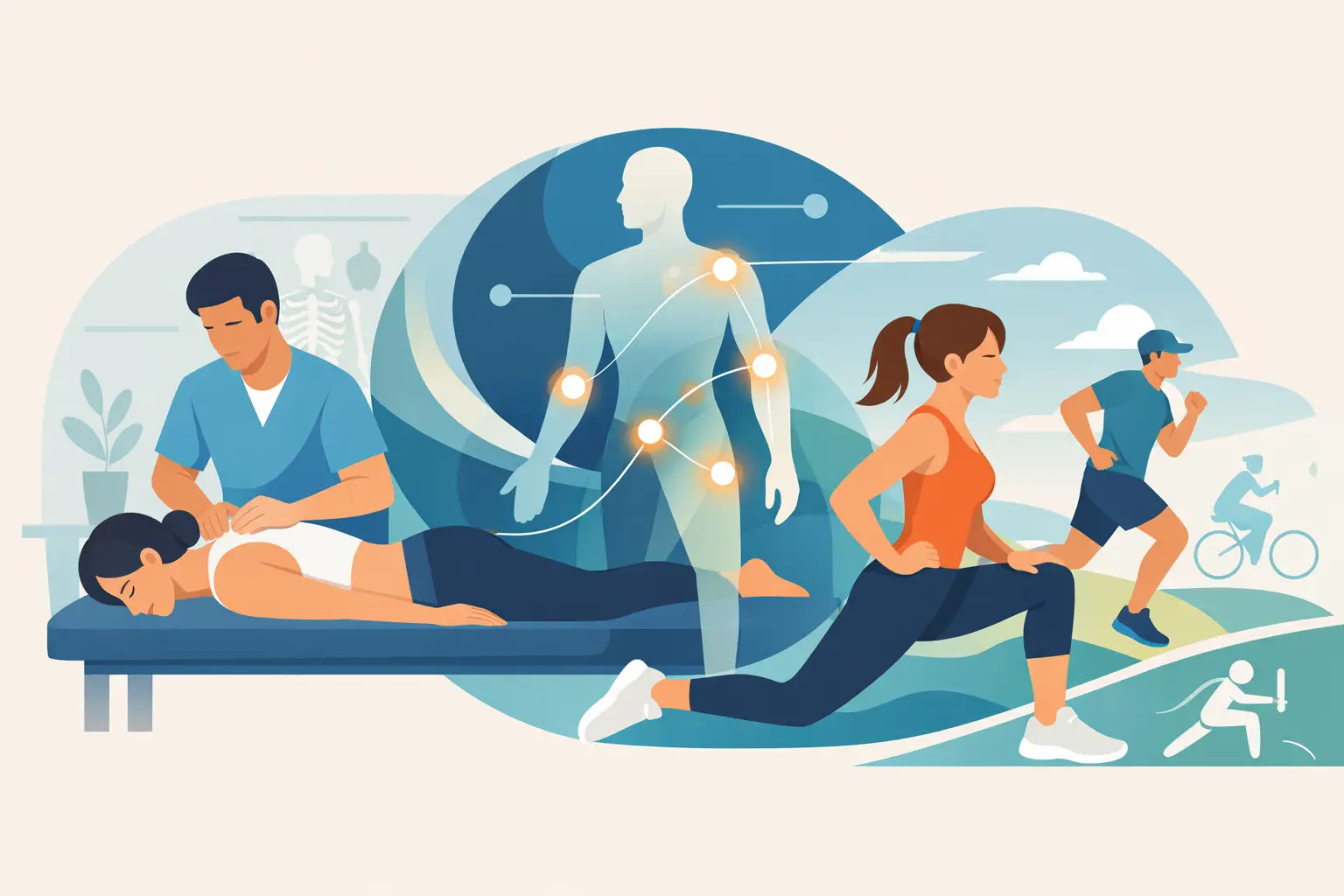
How Manual Therapy Improves Mobility and Movement
A shoulder that will not reach the top shelf, a stiff back after a long drive, or a knee that makes stairs feel uncertain can change the way you move through the day. Understanding how manual therapy improves mobility starts with recognizing that restricted movement is rarely just about one tight muscle. Pain, joint stiffness, protective muscle guarding, past injuries, and movement habits can all contribute.
Manual therapy is a hands-on treatment approach used by qualified physiotherapists, chiropractors, and other rehabilitation professionals. At Panorama Physiotherapy and Chiropractic Clinic, it is used as part of an individualized plan to help patients move with greater comfort, confidence, and control. The goal is not simply to provide short-term relief. It is to identify what is limiting movement and build a practical path back to the activities that matter to you.
What Manual Therapy Can Address
Manual therapy includes skilled techniques in which a practitioner uses their hands to assess and treat joints, muscles, connective tissue, and surrounding structures. Treatment may involve joint mobilization, soft tissue techniques, gentle stretching, or specific movement guidance. The exact approach depends on your condition, symptoms, health history, and goals.
For example, someone recovering from an ankle sprain may have lingering stiffness in the joint, weakness in the surrounding muscles, and hesitation when walking on uneven ground. A person with neck pain may have limited rotation caused by muscle tension, joint irritation, poor tolerance for prolonged desk work, or a combination of these factors. The same symptom – “I cannot move normally” – can have different causes, which is why a thorough assessment matters.
Manual therapy can be helpful for many concerns, including sports injuries, work-related strains, motor vehicle accident recovery, arthritis-related stiffness, persistent back or neck pain, post-surgical rehabilitation, and reduced mobility associated with aging. It may also be used alongside care for TMJ dysfunction, headaches, shoulder problems, hip pain, and other musculoskeletal conditions.
How Manual Therapy Improves Mobility
Mobility is more than flexibility. It is the ability to move a joint or body region through an appropriate range of motion with enough control to use that movement in daily life. Reaching, squatting, turning your head to check traffic, getting off the floor, and carrying groceries all depend on mobility.
It reduces pain-related muscle guarding
When an area is painful or irritated, the body often responds by tightening the muscles around it. This protective response can be useful initially, but if it continues, it may make movement feel increasingly restricted. You may begin to avoid turning, bending, loading a leg, or raising an arm because your body expects discomfort.
Gentle, targeted hands-on treatment can help calm sensitive tissues and reduce this guarding for some patients. As pain becomes more manageable, it is often easier to begin moving the affected area again. That renewed movement is important because avoiding motion completely can lead to further stiffness and loss of strength.
It supports joint movement where stiffness is limiting function
Joints need normal movement to help you perform everyday tasks comfortably. After an injury, prolonged inactivity, repetitive work, or a flare-up of pain, a joint may feel stiff or difficult to move through its usual range.
A practitioner may use carefully graded joint mobilizations to improve comfort and motion. These techniques are controlled and adapted to your tolerance. They are not about forcing a joint to move farther than it is ready to go. Instead, they are designed to encourage movement in a safe, measured way while monitoring your response.
Some patients feel a noticeable improvement after a session. Others improve gradually over several visits as treatment is combined with exercises and changes to daily activity. Both responses can be normal.
It improves soft tissue tolerance and movement quality
Muscles and connective tissues can become sensitive, overloaded, or guarded after an injury or with repetitive activity. Hands-on soft tissue techniques may reduce discomfort and improve how well you tolerate movement in the short term.
This does not mean that every tight area needs aggressive pressure or that manual therapy can “break up” every source of stiffness. The body is more complex than that. Effective care considers tissue sensitivity, strength, sleep, stress, workload, and movement patterns rather than relying on a single technique.
When symptoms settle, your practitioner can help you practice better movement patterns. For instance, improved hip mobility may make squatting or climbing stairs easier, while better thoracic spine movement may help reduce strain during overhead reaching.
It gives your rehabilitation exercises a better starting point
Manual therapy is most valuable when it supports active recovery. A treatment session may make it easier to complete the exercises that build strength, coordination, balance, and endurance. Those exercises help turn temporary improvements in comfort or range of motion into more lasting functional change.
If your shoulder moves more freely after treatment but the supporting muscles remain weak, the limitation may return when you resume lifting or sports. If your low back feels better but your work setup and lifting technique continue to overload it, symptoms may recur. Hands-on care can create an opening for progress, while active rehabilitation helps protect that progress.
What a Personalized Treatment Plan Looks Like
Your first visit should begin with more than locating the painful spot. A clinician will typically ask how your symptoms started, what movements are limited, what makes them better or worse, and how the condition affects work, sleep, exercise, and home life. They may assess posture, joint range of motion, strength, balance, walking, and specific functional tasks.
From there, the treatment plan may include manual therapy along with therapeutic exercise, education, dry needling, acupuncture, chiropractic care, or other appropriate services. A runner with hip pain, an office worker with neck stiffness, and a senior seeking better balance will not need the same plan, even if all three describe reduced mobility.
Your goals also guide care. You may want to return to the gym, play with your children without discomfort, get through a work shift, recover after a collision, or simply walk around your neighborhood with less fear of pain. Clear goals give treatment a meaningful direction and make progress easier to measure.
What Manual Therapy Should Feel Like
Manual therapy should be collaborative. Your practitioner should explain what they are doing, why they are recommending it, and what response is expected. You should feel comfortable asking questions, requesting adjustments, or saying when a technique feels too intense.
Some techniques can create mild, temporary soreness, particularly when an area has been sensitive or inactive. However, treatment should not leave you feeling significantly worse for days. If symptoms flare strongly, the approach, pressure, range, or treatment frequency may need to be adjusted.
Manual therapy is not appropriate for every situation. Certain fractures, infections, serious inflammatory conditions, vascular concerns, or unexplained symptoms require medical assessment or a different form of care. A licensed clinician will screen for warning signs and refer you when needed.
Getting More From Hands-On Treatment
The best results usually come from pairing treatment with consistent participation outside the clinic. Follow the movement plan you are given, but remember that more is not always better. An exercise that is helpful at the right dosage can aggravate symptoms if performed too intensely or too soon.
Pay attention to how your body responds over the next 24 to 48 hours. Brief discomfort that settles may be acceptable, while sharp pain, increasing numbness, significant swelling, or a major loss of function should be discussed with your provider. Small, steady gains are often more durable than trying to force a rapid return to full activity.
Daily habits matter as well. Regular position changes during desk work, gradual return to walking or exercise, appropriate lifting strategies, adequate rest, and a manageable training load can all support mobility between appointments.
When to Seek an Assessment
Consider a professional assessment if pain or stiffness is affecting your sleep, work, exercise, or basic daily activities; if your movement has not improved after a reasonable period of self-care; or if you keep reinjuring the same area. Prompt care can be especially useful after a sports injury, workplace injury, or motor vehicle accident, when early guidance may help prevent compensatory movement patterns from becoming established.
Seek urgent medical attention for symptoms such as sudden weakness, loss of bowel or bladder control, severe unexplained pain, fever with significant pain, chest pain, or new numbness that is worsening. These symptoms need timely medical evaluation rather than routine manual therapy.
Mobility improves when treatment matches the real cause of your limitation and gives you a realistic way to move forward. The right hands-on care, combined with active rehabilitation and professional guidance, can help make everyday movement feel possible again.