
Spinal Decompression Guide: Is It Right for You?
A sharp pain when you stand from the car, numbness that travels into a leg, or a back that tightens after a normal workday can make even simple movement feel uncertain. This spinal decompression guide explains a treatment approach that may help some people with persistent neck or low back symptoms – while also clarifying why a proper assessment comes first.
Spinal decompression is not a one-size-fits-all fix for back pain. It is a traction-based treatment that gently and precisely changes the pulling forces on the spine. For the right patient, it may reduce pressure on irritated spinal structures, improve comfort, and create a better starting point for rehabilitation. For others, another approach may be safer or more appropriate.
What Is Spinal Decompression Therapy?
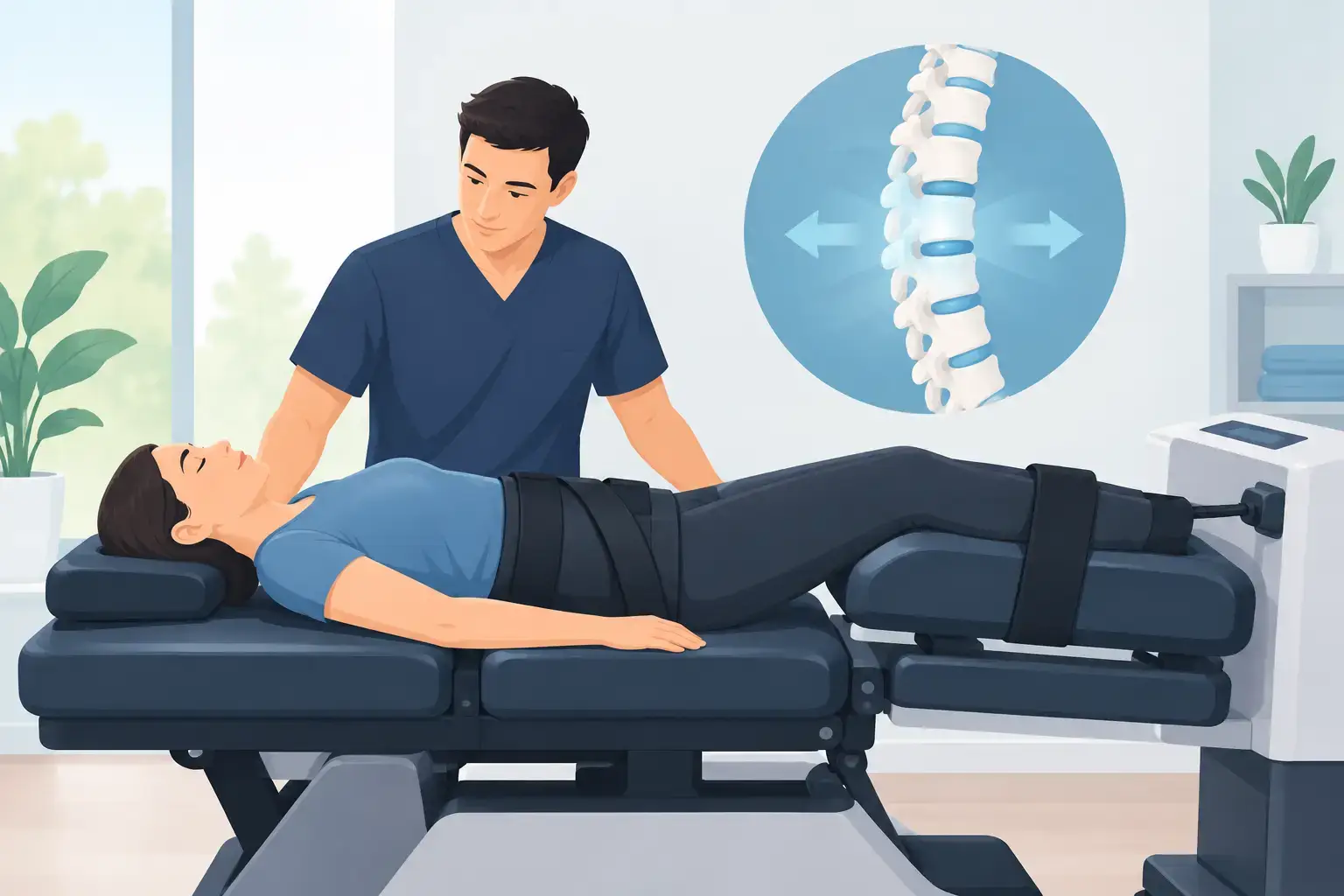
Spinal decompression therapy is typically performed on a specialized table that supports the body while delivering controlled traction to the neck or lower back. The treatment uses gradual pull-and-release cycles rather than a constant force. Your practitioner adjusts the position, angle, and level of force based on your symptoms, body size, condition, and tolerance.
The goal is not to “put a disc back in place.” That phrase oversimplifies a complex problem. Instead, decompression may help reduce mechanical stress around spinal discs, joints, and nerve roots. Changing pressure within the spine may support fluid exchange around discs and may ease irritation for certain conditions.
People often confuse decompression therapy with spinal manipulation. Both may be part of chiropractic or rehabilitation care, but they are different treatments. Manipulation involves a skilled, brief movement applied to a joint. Decompression uses slow, computer-guided or manually controlled traction over a longer treatment period. Depending on your assessment, either treatment, both, or neither may be recommended.
When Spinal Decompression May Help
Spinal decompression is commonly considered for people whose symptoms suggest pressure or irritation involving the spinal discs or nerves. It may be helpful for some cases of disc bulge or herniation, degenerative disc changes, sciatica, facet-related low back pain, spinal stenosis, or recurring neck pain with arm symptoms.
A person with sciatica, for example, may notice burning, tingling, numbness, or pain extending from the lower back through the buttock and into the leg. If an assessment indicates that lumbar disc or nerve irritation is contributing, decompression may be one part of a broader plan to settle symptoms and restore movement.
The same principle can apply to neck conditions. Neck pain that travels into the shoulder, arm, or hand can sometimes be linked to nerve irritation in the cervical spine. Carefully selected cervical traction may provide temporary relief for certain patients, particularly when it is combined with posture education, targeted exercise, and hands-on care.
That said, imaging alone does not determine whether you need decompression. Many people have disc bulges or age-related spinal changes on an MRI without pain. Your provider should consider your symptom pattern, strength, sensation, reflexes, mobility, daily demands, health history, and treatment goals before recommending care.
Who Should Avoid or Delay Treatment?
A responsible spinal decompression guide must be clear about safety. Traction is not appropriate for every type of pain, and treatment should never proceed simply because someone has a sore back.
Your practitioner may recommend a different approach, request medical clearance, or refer you to a physician if you have signs of fracture, spinal instability, severe osteoporosis, spinal infection, cancer affecting the spine, inflammatory disease, or certain vascular conditions. Pregnancy, recent surgery, implanted hardware, and acute injury also require individualized consideration.
Urgent medical assessment is needed if back or neck pain is accompanied by new loss of bowel or bladder control, numbness in the groin or inner thighs, rapidly worsening weakness, unexplained fever, or severe pain after significant trauma. These symptoms are not situations to manage with routine decompression appointments.
Even without red flags, the best choice depends on your presentation. A person with a fresh muscle strain may respond better to early movement, manual therapy, and simple exercises. Someone with dizziness or balance symptoms may need vestibular assessment rather than neck traction. Effective care starts by identifying what is actually limiting your function.
What a Treatment Plan Often Includes
Decompression rarely works best as a stand-alone service. Pain relief matters, but lasting improvement usually requires addressing the movement habits, strength deficits, workload, and tissue sensitivity that contributed to the problem.
At Panorama Physiotherapy and Chiropractic Clinic, care can be coordinated across disciplines when appropriate. A physiotherapist or chiropractor may use decompression alongside manual therapy, therapeutic exercise, movement retraining, acupuncture, dry needling, or other evidence-informed options based on your assessment. The plan should have a clear purpose for each treatment, not a long list of services added by default.
A typical decompression session begins with comfortable positioning and a discussion of how you have been feeling since the previous visit. The therapist applies traction gradually, monitoring your response throughout the session. You may feel a gentle pulling sensation and may notice short-term symptom relief afterward. You should not feel sharp, escalating, or alarming pain during treatment. Tell your provider immediately if you do.
Session frequency varies. Some patients begin with several visits over a few weeks, while others use decompression less often as part of a longer rehabilitation plan. Progress should be reviewed regularly. If symptoms are unchanged or worsening, the plan should be adjusted rather than continued without question.
How to Get Better Results From Decompression
The treatment table is only one part of recovery. What you do between sessions can make a meaningful difference. Your provider may recommend walking, gentle mobility work, specific core or hip strengthening exercises, ergonomic adjustments, or temporary changes to lifting and training.
For example, a warehouse worker with low back and leg pain may need guidance on bracing, lifting distance, and break positions. A desk-based professional may need to interrupt prolonged sitting and rebuild tolerance for standing, walking, or commuting. An athlete may need a gradual return-to-training plan instead of attempting to resume full intensity the moment pain decreases.
Avoid the temptation to judge recovery only by pain on a given day. Better markers can include sleeping more comfortably, sitting longer without symptoms, walking farther, moving with less fear, needing less medication, or returning to work and recreation with greater confidence. These functional gains help determine whether your treatment plan is working in real life.
Questions to Ask Before Starting Decompression Therapy
A good provider should welcome questions and explain recommendations in plain language. Ask what findings suggest decompression may help your specific condition, what alternatives are available, and how progress will be measured. You can also ask what you should feel during and after treatment, how many sessions may be reasonable before reassessment, and what active rehabilitation will support the therapy.
Be cautious of promises that any treatment can permanently correct every disc problem or eliminate pain in a guaranteed number of visits. Spinal conditions are influenced by many factors, including tissue health, activity demands, sleep, stress, prior injuries, and overall conditioning. Honest care includes clear expectations and a willingness to change course when needed.
If back or neck pain is keeping you from work, exercise, sleep, or the activities you enjoy, a thorough in-person assessment can provide direction. The right plan may include spinal decompression, or it may focus on another treatment entirely. What matters most is receiving care that is safe, individualized, and built around helping you move with more comfort and confidence.