
Acupuncture for Chronic Pain Relief
When pain has been around for months, it starts to affect more than the sore area. Sleep gets lighter, movement becomes guarded, and even simple tasks can feel like work. That is often why people start looking into acupuncture for chronic pain relief – not as a quick fix, but as one part of a thoughtful plan to help them move better and feel more in control.
Chronic pain is rarely just one problem with one cause. A stiff neck may be tied to posture, stress, old injuries, or joint and muscle restrictions. Ongoing low back pain may involve weakness, movement habits, nerve sensitivity, and inflammation all at once. The right treatment approach needs to account for that complexity, which is why acupuncture is often most useful when it is part of a broader, individualized recovery strategy.
How acupuncture for chronic pain relief works
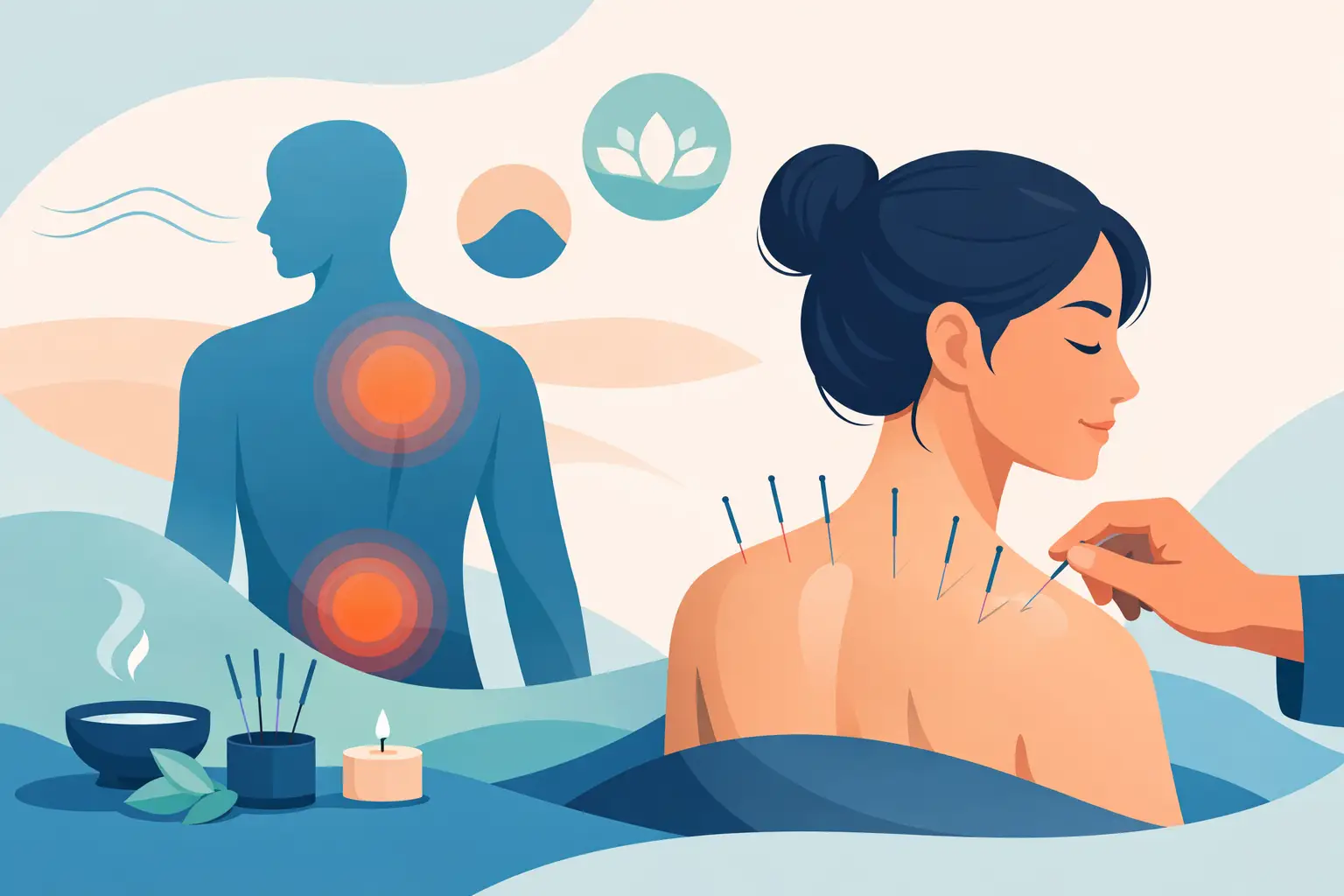
Acupuncture involves the placement of very thin needles at specific points in the body. In a clinical setting, the goal is not simply to “cover up” pain. Treatment is used to help calm an irritated nervous system, reduce muscle tension, improve circulation, and support the body’s natural pain-modulating processes.
For many patients, the effect feels less dramatic than people expect and more practical. A tight area begins to release. A joint moves with less guarding. Pain intensity may decrease, or the pain may become less constant and easier to manage. Some people also notice secondary benefits like better sleep or less stress-related tension, which can matter because chronic pain and nervous system overload often feed each other.
There is also an important point here – results vary. Acupuncture can be very helpful for one person and more modest for another. The condition being treated, how long symptoms have been present, general health, activity level, and whether the root cause is being addressed all influence outcomes.
What types of chronic pain may respond well
Acupuncture is commonly used for musculoskeletal pain, especially when there is a mix of pain, stiffness, and movement limitation. This can include neck pain, back pain, shoulder tension, hip discomfort, knee pain, and headaches linked to muscle tightness or joint irritation.
It may also help people dealing with repetitive strain, lingering sports injuries, arthritis-related discomfort, TMJ tension, or pain that continues after an accident or work injury. In many of these cases, the issue is not just tissue damage. It is ongoing irritation, compensation, guarding, and reduced function. Acupuncture can help settle those patterns so that rehabilitation becomes more effective.
That said, not every type of chronic pain responds the same way. Pain driven mainly by severe structural damage, advanced nerve compression, or certain systemic conditions may need a different primary treatment focus. Acupuncture may still play a supportive role, but it should be matched to a proper assessment rather than used as a one-size-fits-all solution.
Why a full assessment matters
This is where many patients get better results. Instead of asking only, “Where does it hurt?” a thorough provider asks what is keeping the pain going. Are you overusing one area because another area is weak? Is your shoulder pain actually connected to neck mechanics? Is your low back pain related to limited hip mobility, poor lifting patterns, or lingering post-injury compensation?
Without that bigger picture, even a treatment that gives relief may not last. A patient-centered clinic looks at how pain affects your movement, daily activities, work demands, and long-term goals. That allows acupuncture to be used with purpose, not guesswork.
In a multidisciplinary setting, this can be especially valuable. If you need mobility work, strengthening, manual therapy, postural retraining, or other hands-on care alongside acupuncture, your treatment plan can be coordinated instead of fragmented. That often matters more than any single technique on its own.
What a session usually feels like
Many first-time patients are nervous about the needles, but acupuncture needles are much finer than the needles used for injections or bloodwork. Sensations vary. You may feel a small pinch on insertion, followed by heaviness, warmth, tingling, or a dull ache around the point. In tight muscles, there can be a brief twitch response before the area relaxes.
Most people find the treatment tolerable, and many find it surprisingly calming. Depending on the condition, needles may be left in place for a short period while the body settles. Some sessions focus on local areas of pain, while others include points that support overall tension reduction and nervous system regulation.
After treatment, some patients feel looser right away. Others notice changes over the next 24 to 48 hours. Mild soreness can happen, particularly if the area treated was already very irritated, but this usually passes quickly.
How many treatments are usually needed
One of the most common questions is how long it takes to see results. The honest answer is that it depends. A person with relatively recent flare-ups on top of chronic muscle tension may improve faster than someone who has dealt with years of pain, poor sleep, and movement compensation.
In general, chronic conditions usually need a short series of treatments rather than a single visit. Early sessions may focus on reducing pain and improving tolerance for movement. As symptoms start to settle, the plan often shifts toward restoring strength, mobility, and daily function so the gains hold.
This is also why realistic expectations matter. Good care is not about promising instant results. It is about using the right combination of treatments, monitoring response, and adjusting the plan based on what your body is showing over time.
Acupuncture works best when it is part of a plan
For chronic pain, symptom relief is important, but it is not the whole job. If treatment reduces pain for a few days but does not improve how you move, lift, sit, sleep, or recover, the problem often returns. That is why acupuncture tends to be most effective when combined with therapies that address the underlying drivers of pain.
For some patients, that means pairing acupuncture with physiotherapy exercises to build support around a painful joint. For others, it may involve manual therapy, posture correction, work-injury rehabilitation, or treatment after a motor vehicle accident. Athletes may need a return-to-sport strategy, while older adults may need a plan focused on mobility, balance, and everyday function.
At a clinic like Panorama Physiotherapy and Chiropractic Clinic, that coordinated approach can make care more practical. Instead of chasing temporary relief from one appointment to the next, patients can follow a treatment plan designed around both pain reduction and measurable recovery.
Is acupuncture safe?
When performed by a qualified practitioner, acupuncture is generally considered safe. Clean technique, proper training, and a clear understanding of your health history are essential. Before treatment, your provider should ask about medications, bleeding concerns, pregnancy, medical conditions, and any other factors that could affect care.
It is also important to know when acupuncture is not enough on its own. Red-flag symptoms like unexplained weight loss, worsening neurological changes, major trauma, fever with pain, or loss of bowel or bladder control need medical attention right away. Good clinicians do not try to fit every problem into the same treatment box.
When it may be time to consider acupuncture for chronic pain relief
If pain has been lingering, recurring, or limiting your ability to work, exercise, sleep, or enjoy daily life, it may be worth considering acupuncture for chronic pain relief as part of a broader rehab plan. This is especially true if your current routine is mostly based on rest, medication alone, or waiting for symptoms to settle on their own.
The goal is not simply to get through the week with less pain. It is to improve your ability to function, recover, and participate in the activities that matter to you. Sometimes that starts with calming an irritated system. From there, the real progress comes from building lasting support around the problem.
If you have been dealing with chronic pain for a while, a careful assessment can help determine whether acupuncture makes sense for your condition and how it should fit into a personalized treatment plan. The best next step is usually not more guessing. It is getting clear on what your pain is doing, why it keeps returning, and what kind of care gives you the best chance of lasting change.