
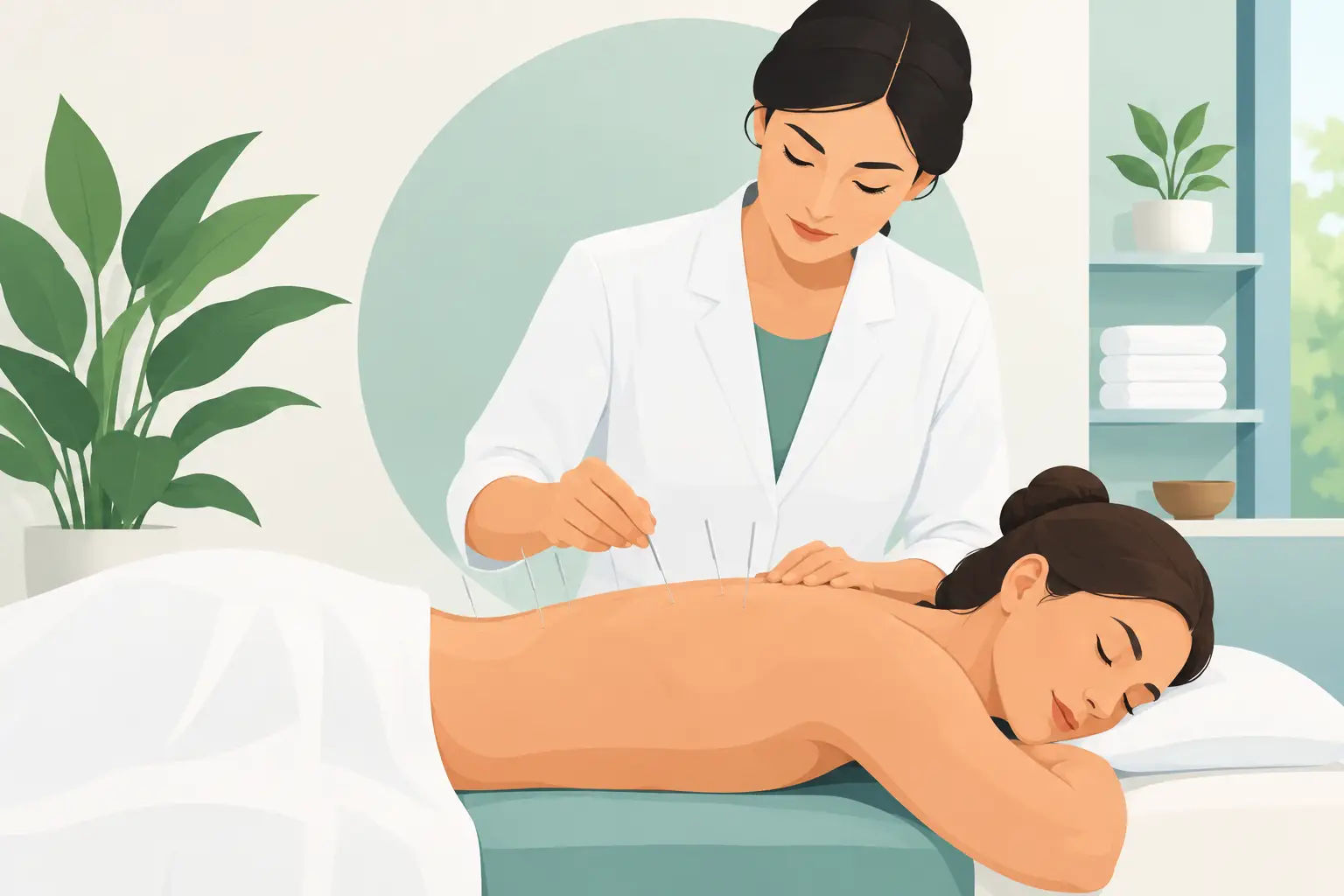
How Acupuncture Supports Pain Recovery Safely
A sore shoulder that keeps you awake, low back pain that makes work harder, or a knee injury that changes how you move can affect far more than one part of the body. Pain often limits sleep, confidence, activity, and the ability to do the things you enjoy. Understanding how acupuncture supports pain recovery can help you decide whether it may be a useful part of your personalized rehabilitation plan.
Acupuncture is not a quick fix for every condition, and it should not replace a thorough assessment. Used appropriately, however, it can help reduce pain sensitivity, ease muscle tension, and make movement-based rehabilitation more manageable. For many patients, that means less time avoiding activity and more opportunity to rebuild strength, mobility, and confidence.
How Acupuncture Supports Pain Recovery
Acupuncture involves the placement of very fine, sterile needles at specific points in the body. A trained practitioner selects points based on your symptoms, movement patterns, health history, and recovery goals. The sensation varies from person to person. Some people feel a brief pinch or pressure, while others notice warmth, heaviness, tingling, or a deep sense of relaxation.
From a rehabilitation perspective, acupuncture can influence the nervous system’s response to pain. Persistent pain can make the nervous system more protective, causing muscles to tighten and everyday movement to feel threatening or uncomfortable. Acupuncture may help calm that heightened sensitivity, which can reduce pain and improve tolerance for activity.
It can also support local circulation and reduce protective muscle guarding around an irritated area. When pain decreases enough for you to move more comfortably, your physiotherapy exercises, manual therapy, and daily activities can become more productive. That is where acupuncture is often most valuable: as one component of an active recovery plan rather than a stand-alone treatment.
Conditions That May Benefit From Acupuncture
Acupuncture may be considered for a range of musculoskeletal concerns, especially when pain is interfering with sleep, work, exercise, or rehabilitation. It is commonly used as part of care for low back pain, neck pain, shoulder discomfort, headaches related to muscle tension, hip pain, knee pain, and sports-related strains.
It may also be helpful during recovery after a motor vehicle accident or workplace injury, when pain and muscle stiffness make it difficult to return to normal movement. Some patients with chronic pain find that acupuncture helps reduce flare-ups and gives them a better starting point for exercise, pacing, and long-term self-management.
The right approach depends on the source of your symptoms. For example, a runner with calf tightness, an office worker with recurring neck pain, and a person recovering from a car accident may all experience pain, but they do not need the same treatment plan. A proper assessment helps identify whether acupuncture fits your condition and what other care should be included.
Acute Pain Versus Persistent Pain
With a recent injury, treatment may focus on controlling pain, reducing muscle guarding, and restoring gentle movement without aggravating the area. As symptoms settle, the focus usually shifts toward mobility, strength, balance, and returning to specific activities.
Persistent pain often requires a broader strategy. When symptoms have lasted for months or years, tissue healing is only part of the picture. Sleep quality, stress, fear of movement, work demands, previous injuries, and reduced conditioning can all contribute. Acupuncture may help lower the pain barrier, but lasting progress usually comes from combining symptom relief with gradual, guided movement.
What a Treatment Plan May Include
At Panorama Physiotherapy and Chiropractic Clinic, treatment begins with understanding the whole problem, not simply identifying where it hurts. Your provider may assess posture, range of motion, strength, joint movement, nerve symptoms, daily habits, and the activities you want to return to.
If acupuncture is appropriate, it may be combined with physiotherapy, chiropractic care, manual therapy, therapeutic exercise, functional dry needling, or other treatments based on your needs. The goal is to help you move better while addressing the factors that may be contributing to pain.
For example, acupuncture may ease painful tightness in the upper back and neck, while manual therapy and exercises address joint mobility, posture, and shoulder strength. For low back pain, it may help settle protective muscle tension so you can begin core, hip, and movement-control exercises with less discomfort. The treatment is individualized because the same diagnosis can affect different people in different ways.
Acupuncture and Dry Needling Are Not the Same
Patients sometimes use these terms interchangeably because both involve thin needles, but the approach and intended effect can differ. Acupuncture is based on a broader assessment of the body’s pain and regulatory systems and may target points beyond the immediate painful area.
Functional dry needling generally focuses on muscular trigger points and dysfunctional tissue within a specific movement pattern. Both may have a place in rehabilitation when performed by a qualified professional. Your provider can explain which option is more suitable, why it is being recommended, and what you may feel during or after treatment.
What to Expect After an Acupuncture Session
Some patients notice improvement right away, while others experience gradual changes over several visits. It is also normal to feel mild soreness, fatigue, or temporary symptom changes for a day or two after treatment. These effects are usually short-lived, but you should always share your response with your practitioner so your plan can be adjusted.
The number of visits varies. A recent strain may respond within a short course of care, particularly when you can also follow a home exercise plan. More complex or long-standing pain may require regular reassessment and a longer rehabilitation process. Progress should be measured by more than pain alone: improved sleep, greater walking tolerance, easier work tasks, better range of motion, and renewed confidence all matter.
For best results, keep moving within the limits your provider recommends. Gentle walking, prescribed exercises, hydration, and consistent sleep habits can all support recovery. It is usually better to make steady, manageable progress than to push through a large flare-up and lose momentum.
When Acupuncture May Not Be the Right First Step
Acupuncture is generally well tolerated when provided by a trained practitioner using sterile needles, but it is not appropriate for every situation. Tell your provider about pregnancy, bleeding disorders, blood-thinning medications, immune concerns, fainting history, pacemakers, significant medical conditions, or any previous reactions to needling.
New severe pain, unexplained weight loss, fever, loss of bladder or bowel control, sudden weakness, numbness in the saddle area, chest pain, or symptoms after a serious accident require urgent medical assessment. Acupuncture should never delay evaluation of a potentially serious condition.
Even when it is appropriate, acupuncture has limits. It cannot repair a complete tendon rupture, reverse advanced joint damage, or substitute for surgery when surgery is medically necessary. Honest care means recognizing when another treatment, imaging, referral, or medical evaluation is needed.
A Recovery Plan Built Around Your Goals
Pain relief matters, but the larger goal is helping you return to life with greater comfort and confidence. Whether that means lifting your child, getting through a work shift, returning to the gym, sleeping through the night, or walking without hesitation, your treatment should be built around what function means to you.
Acupuncture can be a meaningful part of that process when it is paired with a clear diagnosis, skilled guidance, and an active plan for recovery. If pain is keeping you from moving forward, a personalized assessment can help determine whether acupuncture fits the next step in your care.