
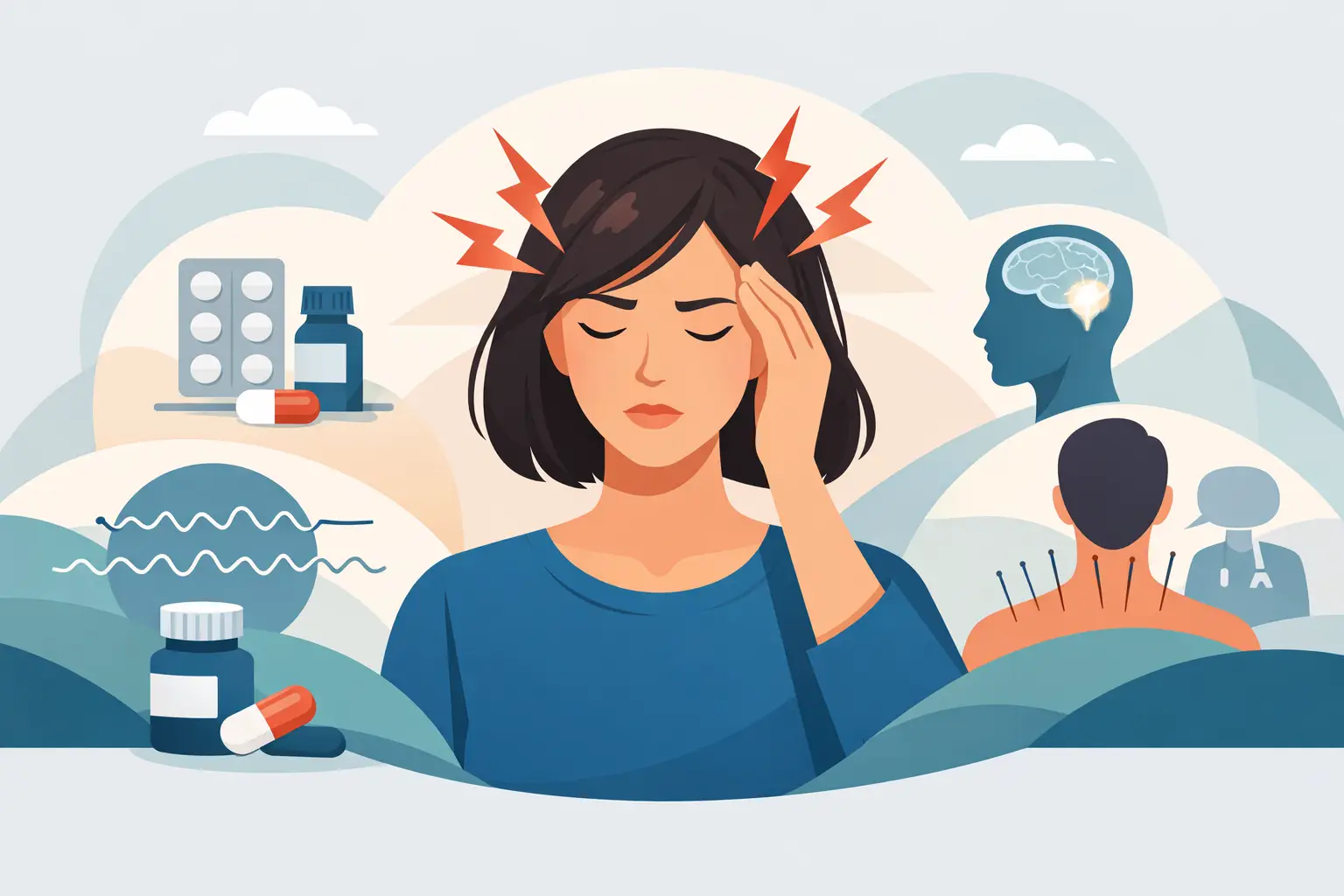
Best Treatments for Chronic Headaches That Last
A headache that appears most days can begin to shape the entire day around pain: how you sleep, work, exercise, drive, and spend time with family. The best treatments for chronic headaches are rarely a single technique or medication. Lasting relief usually starts with understanding what is contributing to the headache, then building a plan that addresses both symptoms and the factors keeping them active.
Chronic headaches can have many causes, including migraine, neck-related pain, jaw dysfunction, concussion symptoms, medication overuse, stress, sleep disruption, and changes in vision or balance. Two people may describe the same pressure behind the eyes or pain at the base of the skull but need very different care. That is why a thoughtful assessment matters more than a one-size-fits-all approach.
When a chronic headache needs urgent medical attention
Most headaches are not an emergency, but some symptoms should never be managed with home care alone. Seek urgent medical assessment for a sudden, severe headache that reaches maximum intensity quickly, a headache after a significant head injury, or pain accompanied by fainting, confusion, new weakness, trouble speaking, seizures, fever with a stiff neck, or sudden vision loss.
A new or changing headache pattern during pregnancy, after age 50, or in someone with cancer, immune suppression, or uncontrolled high blood pressure also warrants prompt medical advice. A physiotherapy or chiropractic assessment can be valuable for many headache patterns, but it does not replace appropriate medical evaluation when red flags are present.
Why identifying the headache pattern comes first
Chronic headache is often used to describe headaches occurring on 15 or more days per month for at least three months. That definition is useful, but the pattern behind the pain is more useful when choosing treatment.
Migraines may involve throbbing pain, nausea, light or sound sensitivity, visual symptoms, or a worsening of pain with normal activity. Tension-type headaches often feel like a band of pressure around the head. Cervicogenic headaches begin in the neck and may refer pain into the head, temple, or behind one eye. Jaw tension and temporomandibular joint, or TMJ, dysfunction can create facial pain, temple pain, and headaches that are worse after clenching or chewing.
A clinician should also ask about prior concussions, work posture, screen time, sleep, stress, hydration, exercise, medications, and the position in which symptoms begin. Headaches that started after a motor vehicle accident, sports injury, or fall deserve particular attention because neck, vestibular, and concussion-related factors may overlap.
Keeping a simple headache record for two to four weeks can make these connections clearer. Note the day and time symptoms start, intensity, location, associated symptoms, sleep, food and caffeine intake, activity, medication use, and what improves or aggravates the pain. This is not busywork. It helps your care team measure change and avoid guessing.
Best treatments for chronic headaches: a personalized plan
The right plan depends on the diagnosis, your health history, and the impact headaches are having on your life. Many patients benefit most from coordinated care rather than relying on one treatment alone.
Medical care for migraine and frequent headaches
For migraine or other primary headache disorders, a physician or qualified prescriber may recommend medication to stop an attack, reduce nausea, or prevent headaches from occurring as often. Preventive medication may be considered when headaches are frequent, disabling, or not responding to acute treatment.
Medication can be an important part of care, but frequent use of some pain relievers can contribute to medication-overuse headaches. This does not mean patients should abruptly stop prescribed medication on their own. It means medication use should be reviewed with a medical professional, especially when relief is becoming shorter-lived or headaches are becoming more frequent.
Physiotherapy for neck-related headache drivers
When the neck is contributing to headache pain, physiotherapy can focus on restoring comfortable movement, improving muscle endurance, and reducing sensitivity in irritated tissues. Treatment may include hands-on manual therapy, individualized mobility work, strengthening for the deep neck and upper back muscles, and practical changes to workstations or daily movement habits.
The goal is not simply to loosen tight muscles for an hour. It is to improve the way the neck, shoulders, and upper back tolerate the positions and activities that currently trigger symptoms. For someone whose headaches build after computer work, that may mean adjusting screen height, taking brief movement breaks, and gradually improving postural endurance. For an athlete, it may mean addressing training load, shoulder mechanics, and recovery.
Chiropractic care when spinal mechanics are relevant
Chiropractic care may be considered for certain patients with neck-related headaches, particularly when restricted cervical movement and musculoskeletal pain are part of the picture. Care should begin with a detailed history and examination, followed by treatment selected for the individual. Depending on the findings, this may include gentle joint mobilization, soft-tissue treatment, exercise guidance, and education.
Not every headache is caused by the spine, and chiropractic treatment is not the right fit for every patient. A careful practitioner will recognize when symptoms point toward migraine management, TMJ care, concussion rehabilitation, or medical referral instead.
TMJ treatment for clenching and jaw-related pain
Morning headaches, jaw clicking, facial tension, tooth grinding, and pain with chewing can suggest that the jaw is part of the problem. TMJ-focused treatment may include gentle manual therapy, exercises to improve jaw control, strategies to reduce daytime clenching, and coordination with a dentist when a dental appliance or further assessment is appropriate.
The jaw, neck, and upper back work together. Treating only one area may provide partial relief, while addressing the full movement pattern can create a more durable change.
Acupuncture and dry needling for selected patients
Acupuncture or functional dry needling may help some people with muscular pain, trigger points, and persistent tension around the neck, shoulders, or jaw. These treatments are not a cure for every chronic headache, but they can be useful additions when used within a broader rehabilitation plan.
Your provider should explain why a technique is being recommended, what it is intended to address, and how progress will be measured. If a treatment is not helping after a reasonable trial, the plan should be adjusted rather than repeated indefinitely.
Vestibular and concussion rehabilitation
Headaches after a concussion may occur alongside dizziness, motion sensitivity, visual strain, fatigue, difficulty concentrating, or reduced tolerance for busy environments. Vestibular rehabilitation and concussion-focused physiotherapy can help identify whether the balance system, eye movements, neck, or exertion tolerance is contributing to symptoms.
Recovery is often gradual. Pushing through severe symptoms can prolong setbacks, but avoiding all activity for too long can also slow progress. A graded, supervised return to daily activity, work, school, or sport gives the nervous system a manageable path forward.
Daily changes that support treatment
Headache care works better when treatment room progress carries into real life. Consistent sleep and wake times, regular meals, adequate hydration, and appropriately paced exercise can reduce common triggers for many people. These habits are not a suggestion that headaches are “just stress.” They are practical ways to lower the overall load on a sensitive system.
Screen-related headaches often improve with a few specific changes: place the screen at a comfortable height, avoid holding the phone low for long periods, use brief movement breaks, and vary positions instead of trying to maintain one perfectly rigid posture. If caffeine, alcohol, skipped meals, certain foods, or intense exercise are consistent triggers, a headache record can help you make targeted adjustments without unnecessarily restricting everything you enjoy.
Stress management can also be part of a results-focused plan. Breathing exercises, paced activity, counseling, and time for recovery may reduce muscle tension and improve sleep. The best strategy is the one you can realistically repeat, not an ideal routine that disappears after a week.
What progress should look like
With chronic headaches, improvement is not always a straight line. Early gains may include fewer severe episodes, less reliance on rescue medication, better neck movement, improved sleep, or a faster return to normal activity after a headache begins. Those changes matter because they show that the plan is addressing function as well as pain.
At Panorama Physiotherapy and Chiropractic Clinic, care begins by listening to the full history and assessing the systems most likely to be involved. For Calgary-area patients, having physiotherapy, chiropractic care, TMJ treatment, acupuncture, and concussion or vestibular rehabilitation available within one coordinated clinic can make it easier to build a plan around the person rather than the symptom.
If headaches are taking over your routine, start with an assessment that looks beyond the location of the pain. The most helpful next step is often not another temporary fix, but a clear explanation of what your body needs to move, recover, and feel more like itself again.