
Cold Laser Therapy for Pain: What to Expect
Pain can make simple things feel harder than they should – turning your neck while driving, getting up from a chair, gripping a coffee mug, or walking without thinking about every step. When rest, stretching, or medication have not brought enough relief, cold laser therapy for pain is often worth a closer look. This treatment is non-invasive, gentle, and commonly used to support healing in irritated muscles, joints, tendons, and soft tissue.
What is cold laser therapy for pain?
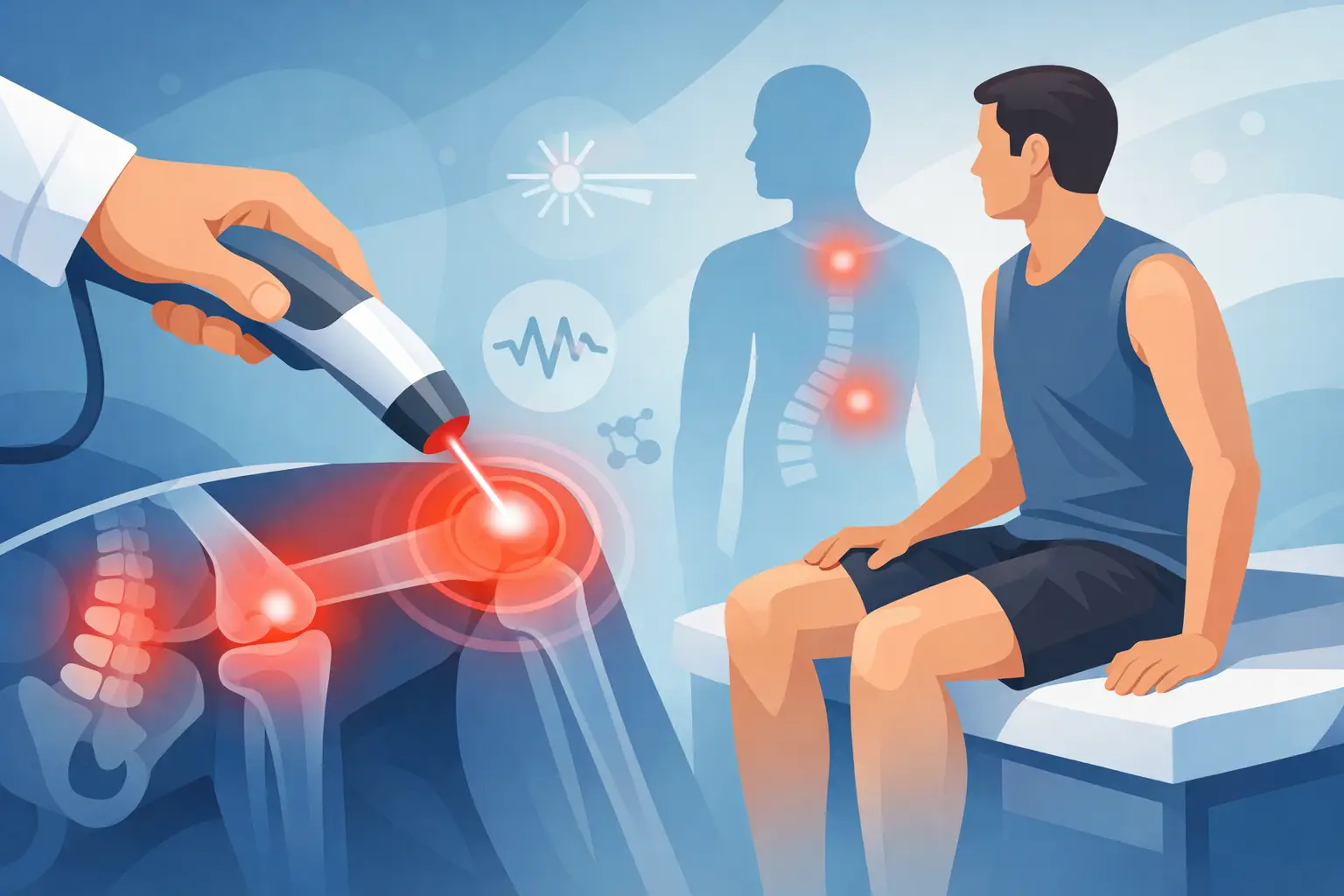
Cold laser therapy uses low-level light energy to target injured or inflamed tissue without creating heat that damages the skin. You may also hear it called low-level laser therapy. The goal is to help calm inflammation, improve circulation in the treated area, and support the body’s natural repair process.
Unlike treatments that simply mask symptoms for a few hours, cold laser therapy is usually used to encourage tissue recovery while also reducing discomfort. That matters when pain is tied to overuse, strain, repetitive movement, arthritis-related irritation, or a sports or work injury.
At a clinical level, the light energy is absorbed by cells in the targeted area. This may help improve cellular activity and energy production, which can support healing in tissue that is inflamed or not recovering as efficiently as it should. Patients do not typically feel pain during treatment. Many describe it as easy to tolerate, especially when the area is already sensitive to touch.
How cold laser therapy for pain may help
This therapy is not a cure-all, and results depend on the condition being treated, how long symptoms have been present, and what else is contributing to the problem. Still, it can be a useful part of a broader treatment plan when the goal is to reduce pain and restore function.
For some patients, the biggest benefit is a decrease in inflammation. For others, it is the ability to move with less guarding and stiffness so they can participate more fully in rehab. If someone has shoulder pain, for example, reducing irritation may make it easier to complete strengthening exercises correctly. If a person has knee pain, easing local soreness may improve walking mechanics and confidence during activity.
Cold laser therapy is often considered for conditions such as tendonitis, muscle strains, ligament sprains, joint pain, back pain, neck pain, plantar fasciitis, repetitive strain injuries, and some forms of arthritis-related discomfort. It may also be used after an acute injury when swelling and sensitivity are limiting progress.
When it tends to fit best
Cold laser therapy often works best when it is part of a personalized rehab plan rather than a stand-alone solution. If pain is being driven by poor joint mechanics, weakness, postural strain, altered movement patterns, or an unresolved injury, those issues still need attention. That is why a proper assessment matters.
In a multidisciplinary clinic setting, treatment may be combined with physiotherapy, chiropractic care, manual therapy, exercise-based rehab, dry needling, or other hands-on services depending on the patient’s needs. The right mix depends on the root cause, not just where the pain is felt.
What a session usually feels like
One reason patients are open to trying cold laser therapy is that it is simple and non-surgical. During treatment, a practitioner places the laser device over the affected area for a set amount of time. The session length varies based on the body part and the treatment plan, but many appointments are relatively short.
Most people feel little to nothing during the application. There is no aggressive pressure, and treatment does not usually require downtime afterward. In many cases, patients return to normal daily activity immediately, though their provider may recommend modifying certain movements if the tissue is still healing.
That said, one session is rarely the whole answer. Some patients notice early relief, while others improve more gradually over a series of visits. Chronic pain and longstanding inflammation often take longer than a recent flare-up.
Who may benefit from this treatment
Cold laser therapy can be a good option for a wide range of patients, including active adults, seniors with joint stiffness, athletes trying to recover without losing training time, and people dealing with work or motor vehicle accident injuries. It may also appeal to patients who want a low-force treatment approach or who are looking for options beyond medication alone.
This can be especially helpful for people whose pain has started to affect function. If your shoulder pain is changing how you dress, your back pain is making it harder to sit through work, or your foot pain is limiting walks and exercise, the conversation should not just be about pain relief. It should also be about getting you moving well again.
For that reason, treatment decisions are best made after an assessment that looks at mobility, strength, tissue irritation, daily demands, and recovery goals. A runner and an office worker may both have knee pain, but the treatment plan should not look identical if the causes and demands are different.
What cold laser therapy cannot do
Honest care means being clear about the limits. Cold laser therapy can support healing and help reduce pain, but it cannot correct every underlying problem by itself. If a joint is unstable, if there is significant degeneration, or if movement patterns continue to overload the same tissue, pain may keep returning unless those factors are addressed.
It is also not the best fit for every diagnosis. Some conditions respond well, while others need a different approach or additional medical evaluation. That is why a one-size-fits-all recommendation is not good practice.
A credible treatment plan should answer a few practical questions. What is causing the pain? What tissue is involved? What is the expected timeline? How will progress be measured? If those questions are not being addressed, the plan is incomplete.
Why assessment matters before treatment
Pain in one area can come from another source. Wrist pain may be linked to repetitive strain and poor mechanics higher up the chain. Hip pain may be influenced by low back dysfunction. Neck tension may be tied to posture, stress, joint restriction, or an old injury that never fully resolved.
This is where a comprehensive assessment makes a difference. Rather than treating symptoms in isolation, a provider should look at how the whole body is functioning and what is slowing recovery. That approach often leads to better long-term outcomes because treatment is targeted, not generic.
At Panorama Physiotherapy and Chiropractic Clinic, cold laser therapy is typically considered as one part of a larger care plan when it matches the patient’s presentation and goals. For some people, it helps calm an irritated area enough to begin active rehab. For others, it supports recovery alongside manual treatment and mobility work.
How many sessions are usually needed?
There is no fixed number that works for everyone. A mild acute strain may respond in fewer visits than chronic tendon pain that has been present for months. Frequency also depends on how reactive the tissue is, whether you are able to modify aggravating activity, and how well your body responds overall.
In general, treatment tends to be more effective when it is applied consistently and paired with the right exercises or movement changes. If a patient receives therapy but continues the same loading pattern that caused the problem, progress may be slower. If the treatment is part of a well-designed rehab program, outcomes are usually better.
Patients often appreciate knowing not just what will be done, but why. A good care plan should explain the purpose of each treatment, what improvement should look like, and when the plan needs to be adjusted.
Is cold laser therapy right for your pain?
That depends on the diagnosis, the stage of healing, and your broader recovery goals. If you are looking for a treatment that is non-invasive, comfortable, and often used to reduce inflammation while supporting tissue repair, it may be a strong option. If your condition is more complex, it may still help, but likely as part of a coordinated treatment plan rather than a stand-alone fix.
The best next step is not guessing. It is getting assessed by a licensed provider who can identify the source of the problem, explain whether cold laser therapy makes sense for your case, and build a plan that focuses on both pain relief and function.
When treatment is matched to the real cause of your symptoms, recovery tends to feel less frustrating and more purposeful. That is often the difference between temporary relief and meaningful progress.