
Cupping Therapy for Muscle Tightness
That stubborn band of tightness in your neck, back, or shoulders does not always respond to stretching alone. When muscles stay guarded after stress, overuse, poor posture, training, or injury, cupping therapy for muscle tightness can be a useful part of treatment. It is not a magic fix, but for the right person, at the right time, it can help reduce tension, improve movement, and make other hands-on care more effective.
How cupping therapy for muscle tightness works
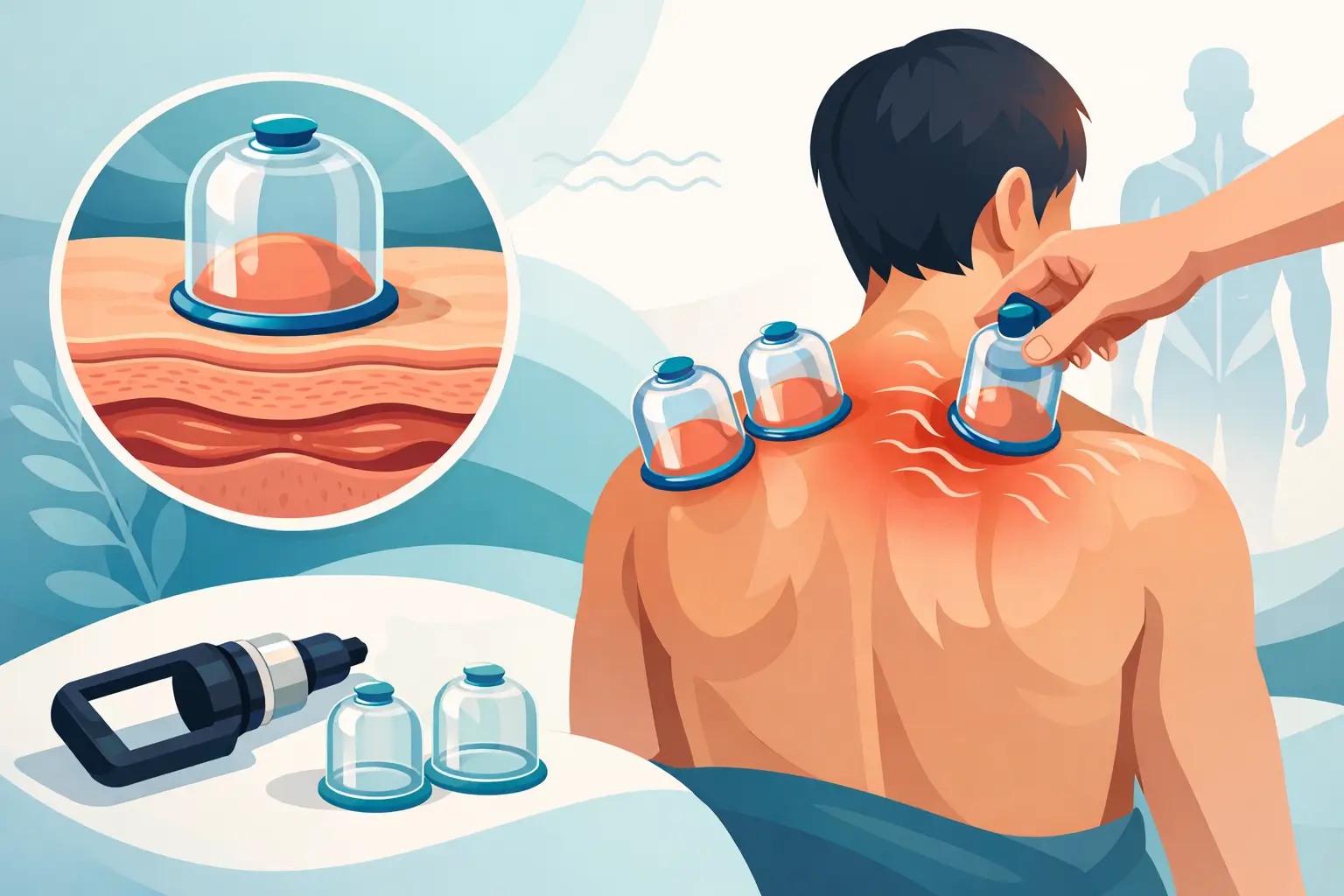
Cupping uses suction to gently lift the skin and underlying soft tissue. This creates a different mechanical effect than massage. Instead of pressing down into a tight area, the cup draws tissue upward, which may help decompress restricted layers and change how the body responds to muscle guarding.
For patients, the sensation often feels like a steady pulling pressure. Some areas feel relieving right away. Others can feel intense if the tissue is especially irritated. That is why proper assessment matters. Muscle tightness is not always caused by the same problem, and the treatment should match the reason the muscle is tightening in the first place.
In clinical care, cupping is often used to address myofascial restriction, post-exercise soreness, chronic tension patterns, and stiffness that is limiting comfortable movement. It may be applied to the upper traps, low back, calves, hamstrings, glutes, or other areas depending on your symptoms and exam findings.
What muscle tightness actually means
People use the word tightness to describe several different sensations. Sometimes it means the muscle truly has reduced flexibility. Sometimes it means the body is protecting an irritated joint, a strained tissue, or an overloaded movement pattern. In other cases, the area feels tight because it is weak, fatigued, or compensating for another part of the body.
That distinction matters. If your calves feel tight because your ankle mobility is limited, or your neck keeps tightening because of shoulder weakness and desk posture, cupping may provide relief, but it should not be the only strategy. Lasting results usually come from combining symptom relief with treatment that addresses the source of the problem.
This is where a multidisciplinary clinic approach can make a real difference. A patient may benefit from cupping as one part of care, while also receiving physiotherapy, chiropractic treatment, exercise guidance, or other hands-on therapies based on their presentation.
When cupping may help
Cupping tends to work best when muscle tightness is connected to soft tissue restriction, overuse, recovery demands, or persistent tension patterns. Athletes sometimes use it after training blocks when certain areas feel dense and overworked. Office workers may find it helpful for upper back and shoulder tension that builds over time. Patients recovering from injury may benefit when muscles remain guarded even after the acute phase has settled.
It can also be useful when traditional pressure-based treatment feels too aggressive. Some patients tolerate lifting and decompression better than deep tissue work, especially in sensitive areas.
That said, response varies. Some people feel looser and move more freely after one session. Others notice temporary changes but need repeated treatment and active rehab to maintain progress. If a muscle keeps tightening again within a day or two, that usually signals there is more going on than the muscle itself.
What to expect during treatment
Your appointment should begin with an assessment, not just a decision to place cups where it hurts. A licensed provider will ask about your symptoms, activity level, health history, and what makes the tightness better or worse. They should also look at movement, posture, strength, and joint mechanics if needed.
Once treatment begins, cups are placed on the skin to create suction. Some practitioners leave them in one place for a short period. Others may use moving cupping, where the cup glides across the tissue after applying oil or lotion. The technique depends on the area being treated, the goal of care, and how reactive your tissues are.
Most sessions are brief. The focus is usually targeted rather than excessive. More treatment is not always better, especially if the tissue is already irritated. Afterward, you may notice circular marks on the skin. These are common and usually fade over several days. They are not necessarily bruises in the traditional sense, but they can look similar.
Mild soreness can happen after treatment, much like after massage or manual therapy. Many patients also report feeling less restricted when they move, especially if the tightness was limiting rotation, bending, or overhead reach.
Is cupping enough on its own?
Usually, no.
Cupping can be very helpful for symptom relief, but long-term improvement often depends on what happens around it. If your muscle tightness is driven by poor movement control, repetitive strain, old injury, or limited joint mobility, the underlying issue still needs attention. Otherwise, the body often falls back into the same pattern.
That is why treatment plans often pair cupping with therapeutic exercise, manual therapy, mobility work, postural retraining, or activity modification. For example, someone with recurring low back tightness may need hip mobility and core control work. Someone with shoulder tightness may need thoracic mobility and scapular strengthening. The cup can calm the area down, but rehabilitation helps keep it from tightening right back up.
This combined approach is often what produces the best functional results. Relief matters, but being able to sit, work, train, sleep, and move with less pain matters more.
Who should be cautious with cupping therapy for muscle tightness
Cupping is not right for every patient or every area of pain. If the skin is broken, inflamed, infected, or highly irritated, treatment may need to be avoided. Patients with certain bleeding disorders, significant skin sensitivity, or medical conditions that affect tissue healing may also need a different approach.
If you are pregnant, have a complex medical history, or are unsure whether a marked-skin treatment is appropriate for you, it is worth discussing in advance. An experienced provider will review precautions and adjust the plan accordingly.
It is also important to be realistic about timing. If a muscle is tight because of a fresh tear, severe inflammation, or an acute injury that has not been properly evaluated, cupping may not be the first step. Early-stage injuries often need a more careful progression.
Common areas where patients seek treatment
Neck and shoulder tension is one of the most frequent complaints. Long hours at a desk, stress, poor workstation setup, and reduced upper back mobility can all contribute to this pattern. Cupping may help ease the sensation of heaviness and improve short-term range of motion, especially when combined with postural correction and strengthening.
Low back tightness is another common reason patients ask about cupping. In some cases, the tightness is muscular. In others, it reflects how the body is compensating for hip stiffness, core weakness, or prolonged sitting. Treatment has to account for those factors if you want the improvement to last.
Athletes often seek care for hamstring, calf, or quad tightness. These areas respond well when the issue is linked to training load and recovery, but it is still important to rule out strain, tendon irritation, or biomechanical overload.
How to know if it is working
The goal is not just that the area feels different for an hour. Good treatment should lead to meaningful change. That might mean turning your head more easily, bending with less pulling, returning to the gym with better tolerance, or waking up with less stiffness.
A practitioner should also reassess. If movement improves right after treatment, that is useful information. If symptoms keep returning unchanged, the plan may need to shift. Honest care means not repeating the same modality indefinitely if it is not moving you toward better function.
At Panorama Physiotherapy and Chiropractic Clinic, cupping is used as part of individualized care rather than a stand-alone trend. That matters because muscle tightness is rarely just about one tight muscle.
A practical next step
If you have been stretching the same area for weeks and it still feels locked up, it may be time for a proper assessment. Cupping can be a helpful tool for easing muscle tightness, but the best results come when treatment is matched to the cause, your goals, and how your body moves as a whole. Relief is valuable, and when it is paired with a clear plan, it can become real progress.