
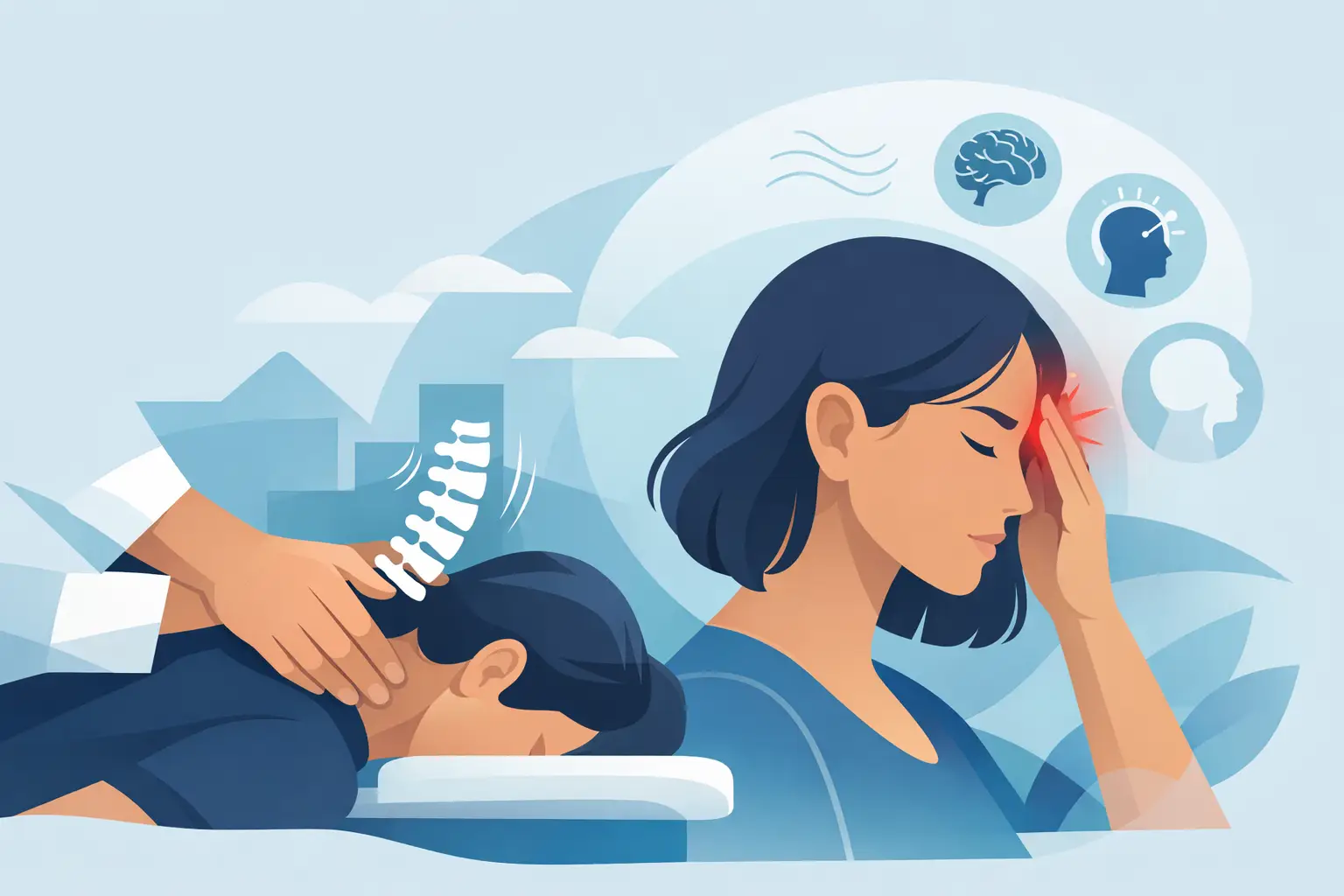
How Chiropractic Adjustments Help Headaches
A headache that starts at the base of your skull, builds after a long workday, or arrives every time you turn your head can feel very different from a typical stress headache. For people whose symptoms are connected to neck stiffness, posture, muscle tension, or an old injury, understanding how chiropractic adjustments help headaches can open the door to a more targeted treatment plan.
Chiropractic care is not a cure-all for every headache. It can, however, be a useful part of care when an assessment shows that the neck, upper back, jaw, or surrounding muscles are contributing to pain. The goal is not simply to chase temporary relief. It is to improve movement, reduce irritation in sensitive tissues, and help you return to daily activities with fewer headache triggers.
How chiropractic adjustments help headaches related to the neck
The cervical spine contains joints, muscles, nerves, and connective tissues that can refer pain into the head. When these structures become stiff, overloaded, or irritated, the discomfort may travel from the neck into the back of the head, temples, forehead, or behind the eyes.
A chiropractic adjustment is a skilled, controlled technique used to improve joint mobility. Depending on your condition and comfort level, a chiropractor may use a manual adjustment, gentle mobilization, soft-tissue work, or an instrument-assisted technique. The approach is individualized rather than one-size-fits-all.
When restricted joints in the neck or upper back begin moving more comfortably, nearby muscles may not need to work as hard to stabilize the area. This can reduce the strain that contributes to certain headache patterns. Treatment may also help improve your ability to rotate, bend, and extend your neck without reproducing symptoms.
For many patients, the benefit comes from the full plan of care, not an adjustment alone. Your chiropractor may combine hands-on treatment with movement exercises, ergonomic guidance, posture strategies, and advice on pacing activities that repeatedly aggravate your neck.
The headache types most likely to respond
Cervicogenic headaches
Cervicogenic headaches are caused by pain sources in the neck. They often begin on one side near the upper neck or base of the skull and may spread toward the temple, eye, or forehead. Neck movement, sustained desk work, driving, sleeping in an awkward position, or looking down at a phone can make them worse.
People with cervicogenic headaches may also notice a limited range of motion in their neck, tenderness around the upper cervical muscles, or pain after a prior whiplash injury. Chiropractic care can be particularly relevant here because it addresses the joints and soft tissues that may be driving the symptoms.
Tension-type headaches with neck muscle involvement
Tension-type headaches commonly create a pressing or tightening feeling across both sides of the head. Stress, fatigue, poor sleep, jaw clenching, and long periods in one position can all play a role. While stress management matters, the neck and shoulder muscles are often part of the picture.
Manual therapy, targeted exercises, and changes to workstation setup may help reduce the physical load on these muscles. If your headaches tend to appear after computer work or carry over from neck and shoulder tightness, a musculoskeletal assessment can help identify whether this approach is appropriate.
Migraine headaches with a neck-pain component
Migraine is a neurological condition, and chiropractic treatment should not be presented as a replacement for medical migraine care. Still, many people with migraine also experience neck pain, reduced neck movement, and muscle sensitivity before or during an attack.
In these cases, addressing the neck may help reduce one contributing trigger or make daily movement more manageable. Results vary widely. A coordinated plan may include your primary care provider or neurologist, along with hands-on care and rehabilitation for associated neck dysfunction.
What a headache assessment should include
Headaches deserve more than a quick look at where the pain is located. A careful chiropractic assessment considers the frequency, duration, intensity, location, and pattern of your headaches, as well as what makes them better or worse.
Your provider should ask about previous injuries, work demands, sports participation, sleep, stress, medications, vision changes, jaw symptoms, dizziness, and concussion history. They may assess posture, neck mobility, muscle tenderness, shoulder mechanics, and the way symptoms respond to specific movements.
This process helps distinguish a likely musculoskeletal headache from one that needs medical assessment first. It also shapes treatment. Someone recovering from a motor vehicle accident may need a different plan than an office worker with gradual tension buildup or an athlete whose headaches began after repetitive impact.
At a multidisciplinary clinic, chiropractic care can also be coordinated with physiotherapy, acupuncture, TMJ treatment, vestibular rehabilitation, or concussion care when those services fit the diagnosis and recovery goals. That collaboration is valuable when headaches have more than one contributor.
What treatment may look like
Early visits focus on reducing aggravation and establishing what your body tolerates. Some patients feel relief after an initial session, while others improve more gradually as mobility, strength, and activity tolerance build. A responsible plan sets realistic expectations and adjusts based on your response.
Hands-on care may address stiff joints in the neck and upper back, tight muscles around the shoulders, or restrictions that affect normal movement. You may also receive simple exercises to strengthen deep neck muscles, improve upper-back control, or restore comfortable rotation. These exercises matter because lasting improvement often depends on how well your body moves between appointments.
Daily habits can make a meaningful difference. A clinician may help you modify your desk setup, adjust the height of screens, schedule brief movement breaks, change pillow positioning, or identify activities that encourage jaw clenching. The best recommendations are practical enough to use in your actual routine.
Safety matters: when chiropractic care is not the first step
Most headaches are not emergencies, but certain symptoms need urgent medical evaluation rather than chiropractic treatment. Seek immediate care for a sudden, severe headache that reaches maximum intensity quickly, especially if it is unlike anything you have experienced before.
You should also seek urgent assessment for a headache with fainting, confusion, trouble speaking, facial drooping, new weakness or numbness, vision loss, fever with a stiff neck, seizures, chest pain, or severe symptoms after a head injury. New or changing headaches during pregnancy, after age 50, or in people with cancer, immune suppression, or significant vascular risk factors also warrant medical guidance.
Your chiropractor should screen for these concerns before treatment and refer when needed. Cervical adjustments are not appropriate for every person or every presentation. An honest clinical approach means choosing gentler techniques, working alongside medical providers, or postponing care when the findings call for a different path.
Building relief that lasts
Headaches linked to neck dysfunction often improve most when treatment addresses both the irritated tissues and the habits that keep loading them. That may mean restoring movement after an injury, improving strength for long workdays, managing jaw tension, or learning how to stay active without triggering a flare-up.
If recurring headaches are affecting your work, sleep, exercise, or time with family, an individualized assessment can clarify whether your neck is part of the problem. At Panorama Physiotherapy and Chiropractic Clinic, care begins with listening to your history and creating a plan focused on safer movement, meaningful relief, and long-term function. You do not have to accept frequent headaches as the cost of getting through your day.