
Pelvic Floor Physiotherapy at Panorama Clinic
Leaking when you cough, pain with intimacy, pressure in the pelvis, or a constant urge to find the nearest bathroom can quietly shape your whole day. For many people, those symptoms feel embarrassing to mention, but they are common and treatable. Pelvic floor physiotherapy at Panorama Physiotherapy and Chiropractic Clinic is designed to assess the root cause of these concerns and build a treatment plan that helps you move, function, and feel better.
What pelvic floor physiotherapy actually treats
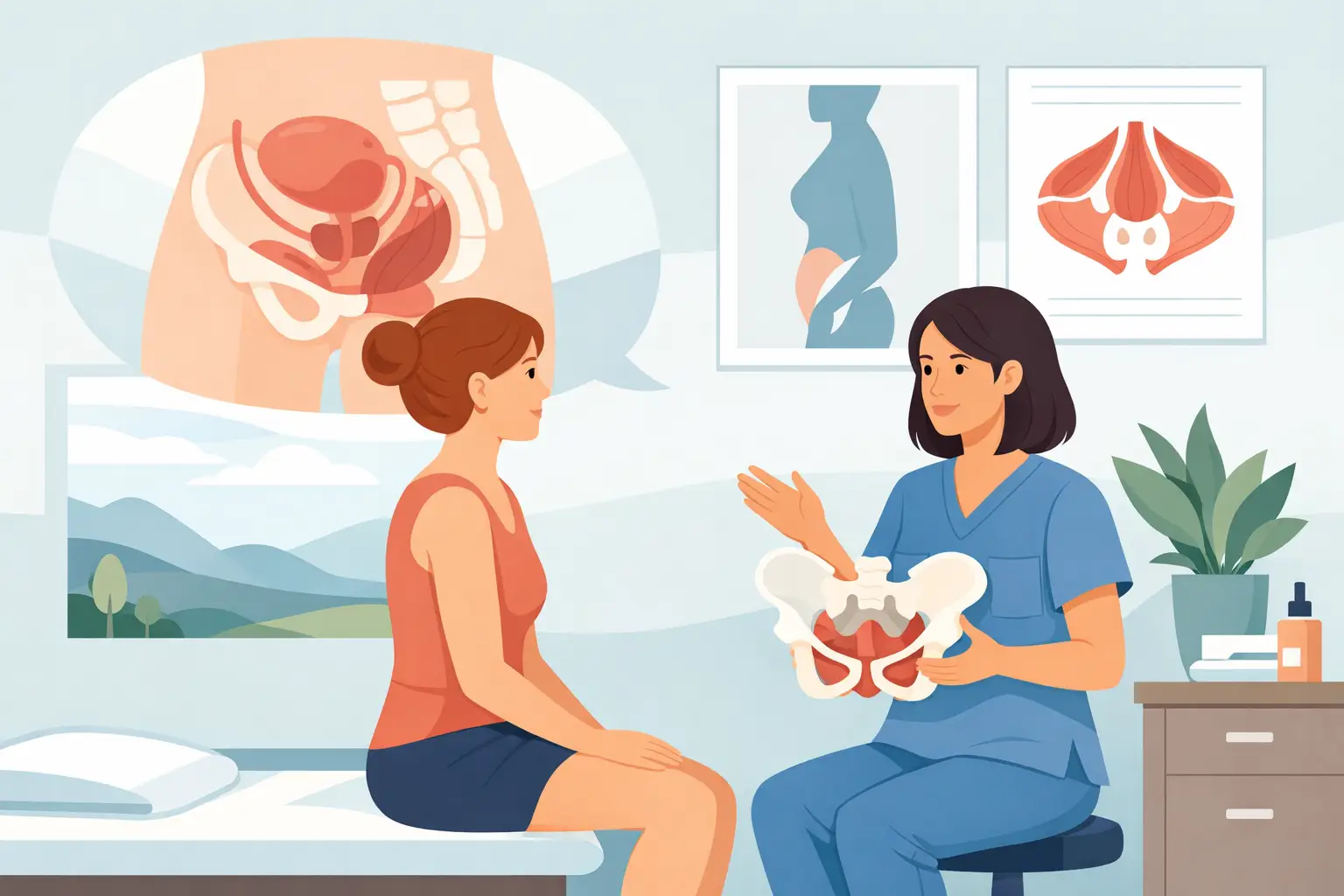
The pelvic floor is a group of muscles, ligaments, and connective tissues that support the bladder, bowel, and reproductive organs. These muscles also help with bladder and bowel control, core stability, posture, and sexual function. When they are too tight, too weak, poorly coordinated, or not working well with the rest of the body, symptoms can show up in ways that are easy to overlook.
Some people seek care for urinary leakage after pregnancy or during exercise. Others come in because of pelvic pain, constipation, heaviness or pressure, painful intercourse, tailbone pain, or low back and hip symptoms that never seem to fully settle. Pelvic floor issues can affect women, men, and people at different stages of life, including postpartum patients, older adults, athletes, and those recovering from surgery or injury.
That range matters because pelvic floor dysfunction is not one-size-fits-all. Two people may both report urgency or pain, yet need very different treatment approaches. One may have an overactive pelvic floor that needs down-training and relaxation work. Another may need strength, timing, and better coordination with breathing and core muscles. Good care starts by figuring out which problem is actually present.
Pelvic floor physiotherapy at Panorama Physiotherapy and Chiropractic Clinic
At Panorama Physiotherapy and Chiropractic Clinic, pelvic floor therapy is approached the same way effective rehab should be approached – with individualized assessment, clear education, and treatment based on what your body is doing, not just what the symptom sounds like. That means looking beyond the pelvic area alone.
A pelvic floor problem may be influenced by breathing mechanics, posture, prior pregnancies, abdominal surgery, lifting demands, constipation, chronic coughing, sports training, or tension held in the hips and low back. If treatment only chases the symptom, progress can stall. A more complete assessment helps identify the factors keeping the issue going.
Because the clinic offers multidisciplinary care, patients can also benefit when pelvic health concerns overlap with other musculoskeletal problems. For example, someone with pelvic pain may also have low back stiffness, hip restriction, or postural strain. Coordinated care can make treatment more efficient and more relevant to everyday function.
What to expect at your first appointment
Many patients delay pelvic floor therapy because they do not know what the first visit will involve. That hesitation is understandable. The best first step is knowing that assessment and treatment are guided by consent, comfort, and clinical need.
Your appointment typically begins with a conversation about your symptoms, health history, pregnancies or deliveries if relevant, surgeries, medications, activity level, and goals. You may be asked about bladder habits, bowel habits, pain patterns, exercise, work demands, and how symptoms affect daily life. These details are not incidental. They often reveal the pattern behind the problem.
Your physiotherapist may then assess posture, breathing, low back and hip movement, abdominal control, and how your body manages pressure. Depending on your symptoms and your consent, an internal pelvic exam may be recommended to assess muscle tone, tenderness, strength, endurance, and coordination. In some cases, external assessment is the right starting point. It depends on the individual, the concern being treated, and what you are comfortable with.
This point matters: internal assessment can provide valuable information, but it is not the only tool. Treatment plans can still begin without it when needed. A respectful clinician explains the purpose of each part of the exam and adjusts the process to fit the patient.
Common conditions that may benefit from treatment
Pelvic floor physiotherapy can help with stress incontinence, urgency, frequency, overactive bladder symptoms, pelvic organ prolapse symptoms, constipation related to pelvic floor dysfunction, pelvic pain, painful intercourse, postpartum recovery, and core weakness after abdominal changes. It may also help after gynecological, urological, or colorectal procedures when scar tissue, muscle guarding, or altered movement patterns affect recovery.
Athletes are another group often overlooked. Running, jumping, heavy lifting, and high-impact training can expose pressure-management issues that do not show up at rest. A patient may assume leakage during workouts is something to accept, especially after childbirth, but that is not a satisfying long-term answer. Often, there is a way to improve support, timing, and load tolerance.
Men can also benefit from pelvic floor treatment, particularly for pelvic pain, urinary symptoms, post-surgical issues, or tension-related dysfunction. Pelvic health is often marketed narrowly, but the pelvic floor is relevant to more people than most realize.
How treatment works in practice
Treatment depends on the assessment findings. That may sound obvious, but it is where pelvic floor care often gets misunderstood. If muscles are already overactive and guarded, adding endless Kegels may make symptoms worse. If muscles are underperforming and poorly timed, relaxation alone may not solve the issue. The right plan matches the actual presentation.
Care may include education on bladder and bowel habits, breathing retraining, pelvic floor muscle coordination, core and hip strengthening, manual therapy, posture and pressure-management strategies, mobility work, and progressive return to exercise or daily tasks. For some patients, the biggest early improvement comes from understanding what not to do – straining, breath-holding, over-bracing, or following generic online advice that does not fit their condition.
Home exercises are usually part of the process, but they should feel purposeful rather than overwhelming. A strong plan gives you clear priorities and a realistic progression. The goal is not just symptom reduction in the clinic. It is better control and confidence at home, at work, during exercise, and through normal daily routines.
Why personalized care matters
Pelvic health symptoms are personal, but they are also functional. They affect sleep, exercise, travel, intimacy, work, and confidence. That is why a personalized treatment plan matters so much.
A postpartum patient may need support restoring abdominal and pelvic floor coordination while managing lifting, feeding, and fatigue. A senior may need help with urgency and balance concerns that raise fall risk when rushing to the bathroom. Someone with chronic pelvic pain may need a slower, more layered approach that addresses nervous system sensitivity, muscle tension, and movement avoidance. These are not interchangeable cases, even if some symptoms overlap.
This is where evidence-informed care and honest clinical judgment make a difference. Good therapy does not promise the same timeline for everyone. Some patients improve quickly once the right driver is identified. Others need a more gradual plan because the issue has been present for years or involves multiple contributing factors. Progress is still possible, but the path can look different.
When to seek pelvic floor physiotherapy at Panorama Physiotherapy and Chiropractic Clinic
You do not need to wait until symptoms become severe. If bladder leakage changes your activity choices, if pelvic pain is affecting intimacy or sitting tolerance, if pressure or heaviness is concerning you, or if postpartum recovery does not feel right, those are valid reasons to book an assessment. The same goes for ongoing constipation linked to pelvic floor tension, unexplained tailbone pain, or difficulty returning to impact exercise.
Early treatment can prevent compensation patterns from becoming more entrenched. It can also reduce the frustration that comes from trying random exercises without knowing whether they fit your body. Even when symptoms seem mild, they often reflect a problem in strength, coordination, or pressure management that deserves a closer look.
Patients across North Calgary often want care that feels both skilled and approachable. That combination matters with pelvic health. You should feel heard, informed, and treated like a whole person, not a symptom list.
Pelvic floor issues can be isolating, but they are not something you simply have to live with. The right assessment can replace guesswork with a clear plan, and that often changes more than physical symptoms alone. It gives people a way back to daily life with less fear, less frustration, and more control.