
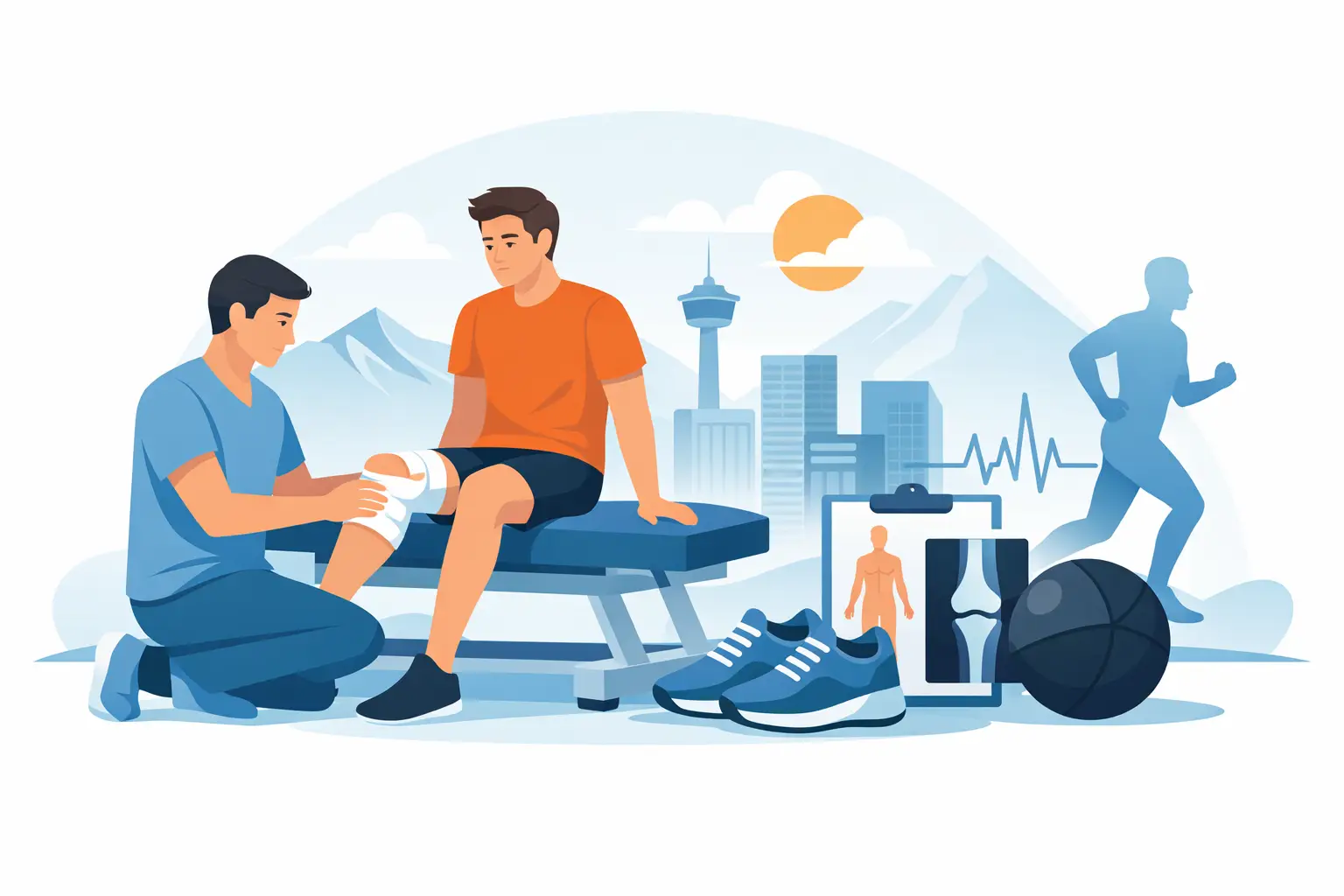
Sports Injury Treatment Calgary for Lasting Recovery
A swollen ankle after a weekend game, a shoulder that catches during a serve, or knee pain that returns every time you run is more than an inconvenience. It can change how you train, work, sleep, and move through your day. Effective sports injury treatment Calgary patients can rely on begins by understanding what happened, how the injury affects your movement, and what you need to safely return to the activities that matter to you.
At Panorama Physiotherapy and Chiropractic Clinic, care is not built around a one-size-fits-all exercise sheet or a quick attempt to mask pain. Sports injuries often involve more than the spot that hurts. A painful knee may be influenced by hip strength, foot mechanics, training load, or a previous ankle injury. A proper assessment helps identify those contributing factors so treatment can support both recovery now and more confident movement later.
When a Sports Injury Needs Professional Care
Not every sore muscle requires an appointment. Delayed-onset muscle soreness after a harder workout often improves over several days with appropriate rest, light movement, hydration, and a gradual return to training. Persistent pain, repeated swelling, instability, weakness, loss of range of motion, or symptoms that worsen with activity are different. Those signs are worth assessing rather than training through.
It is also wise to seek care when an injury keeps coming back. Recurring hamstring strains, ankle sprains, shoulder pain, and runner’s knee can happen when the original symptoms settle but the underlying movement, strength, or load-management issue remains. Returning to sport without addressing that issue may create a frustrating cycle of short-term improvement followed by another setback.
Some situations require urgent medical attention rather than waiting for a routine rehabilitation appointment. Severe pain after a fall or collision, a visible deformity, inability to bear weight, numbness, rapidly increasing swelling, or concussion symptoms such as worsening headache, repeated vomiting, confusion, or loss of consciousness should be evaluated promptly.
What Sports Injury Treatment in Calgary Should Include
The right plan depends on the injury, the sport, and your goals. A recreational runner preparing for a first 10K needs a different return-to-activity plan than a hockey player trying to regain confidence after an ACL reconstruction. The common thread is individualized care guided by a thorough assessment.
Your practitioner should ask how the injury occurred, when symptoms began, what movements provoke them, and what your usual activity level looks like. They may assess joint mobility, muscle strength, balance, posture, gait, and sport-specific movement patterns. This process helps distinguish between a local tissue injury and a broader issue affecting how force moves through the body.
Treatment may include hands-on physiotherapy or chiropractic care to improve mobility and reduce pain where appropriate. Therapeutic exercise is often central to recovery because it rebuilds strength, coordination, endurance, and control. Depending on your needs, a care plan may also include functional dry needling, acupuncture, cupping, Graston Technique, cold laser therapy, or other complementary treatments. These tools are selected to support a larger rehabilitation plan, not replace the work of restoring function.
For some injuries, a coordinated multidisciplinary approach is particularly valuable. A physiotherapist may focus on movement retraining and progressive exercise, while chiropractic care may help address joint restriction or mechanical discomfort. When practitioners communicate and work toward the same goals, patients can receive care that reflects the full picture rather than isolated symptoms.
Common Injuries We Help Rehabilitate
Sports injuries range from sudden trauma to gradual overuse. Sprains and strains are common, especially in the ankle, knee, hamstring, groin, calf, and shoulder. Athletes may also develop tendon-related pain, such as Achilles tendinopathy, tennis elbow, jumper’s knee, or rotator cuff irritation. These conditions do not always respond well to complete rest alone. The tissue often needs a carefully progressed amount of loading to regain capacity.
Knee pain deserves particular attention because it can have many causes. Pain around the kneecap may relate to running volume, squat mechanics, hip control, or muscle weakness. Pain after a twist or direct impact may require a different approach and, in some cases, further medical investigation. The goal is not to assume every knee problem is the same, but to assess the pattern and choose the next step accordingly.
Shoulder injuries are equally varied. A swimmer, weightlifter, baseball player, and office worker who plays weekend tennis may all report shoulder pain, yet their contributing factors can differ. Treatment may involve restoring shoulder and upper-back mobility, improving rotator cuff and scapular strength, and modifying training temporarily while capacity improves.
Concussion care is another area where prompt, individualized guidance matters. Symptoms can include headache, dizziness, balance changes, sensitivity to light or noise, concentration difficulty, and fatigue. A guided return-to-learn and return-to-sport process can help patients progress safely instead of relying on guesswork.
Recovery Is More Than Pain Relief
Pain reduction is a meaningful early goal, but it is not the only marker of readiness. An athlete may feel better walking around yet still lack the strength, balance, reaction time, or confidence needed for cutting, jumping, lifting, sprinting, or contact play. Returning too quickly can increase the chance of reinjury.
A strong rehabilitation plan progresses from calming irritable symptoms to restoring movement and building capacity. Early exercises may be simple and controlled. As symptoms improve, treatment should become more specific to your demands. A soccer player may need deceleration and change-of-direction drills. A golfer may need rotational control. A runner may need gradual mileage progression and single-leg loading. The details matter because sport is rarely performed in a straight line at low intensity.
There can be trade-offs during this process. Taking a brief step back from painful activity may protect an irritated structure, but prolonged avoidance can reduce strength and confidence. Pushing hard through sharp or increasing pain can delay healing, while appropriately graded activity often helps recovery. Your practitioner can help define what is acceptable discomfort, what signals a need to modify, and how to keep you active without turning a manageable injury into a longer absence.
How to Reduce the Risk of Another Injury
No treatment can guarantee that an injury will never happen again. Sports include unpredictable moments, contact, fatigue, uneven surfaces, and changes in training demands. However, many repeat injuries can be reduced by addressing known risk factors and building a more sustainable training routine.
Consistency usually matters more than occasional intense efforts. Gradually increasing distance, weight, speed, or practice volume gives the body time to adapt. Recovery days, adequate sleep, nutrition, and proper equipment also influence performance and tissue tolerance. If you have had a previous injury, continuing key strengthening and mobility exercises after pain resolves can be one of the most practical ways to protect your progress.
For athletes in Panorama Hills, Coventry Hills, Evanston, and surrounding Calgary communities, having a local team that can assess injury, guide rehabilitation, and adjust a plan as your sport demands change can make the return feel less uncertain. Whether you are getting back to the gym, the field, the rink, or active family life, care should be built around your real goal.
The best time to address a sports injury is often before it forces you to stop doing what you enjoy. A clear assessment and a personalized plan can give you practical next steps, help you move with greater confidence, and keep your recovery focused on lasting function rather than temporary relief.