
Sciatica Recovery Guide for Safer Healing
A sharp ache running from the low back into the buttock, thigh, calf, or foot can make ordinary tasks feel unpredictable. Sitting through a meeting, getting out of the car, sleeping comfortably, or lifting a grocery bag may suddenly aggravate symptoms. This sciatica recovery guide explains what recovery can look like, what usually helps, and when a professional assessment is the right next step.
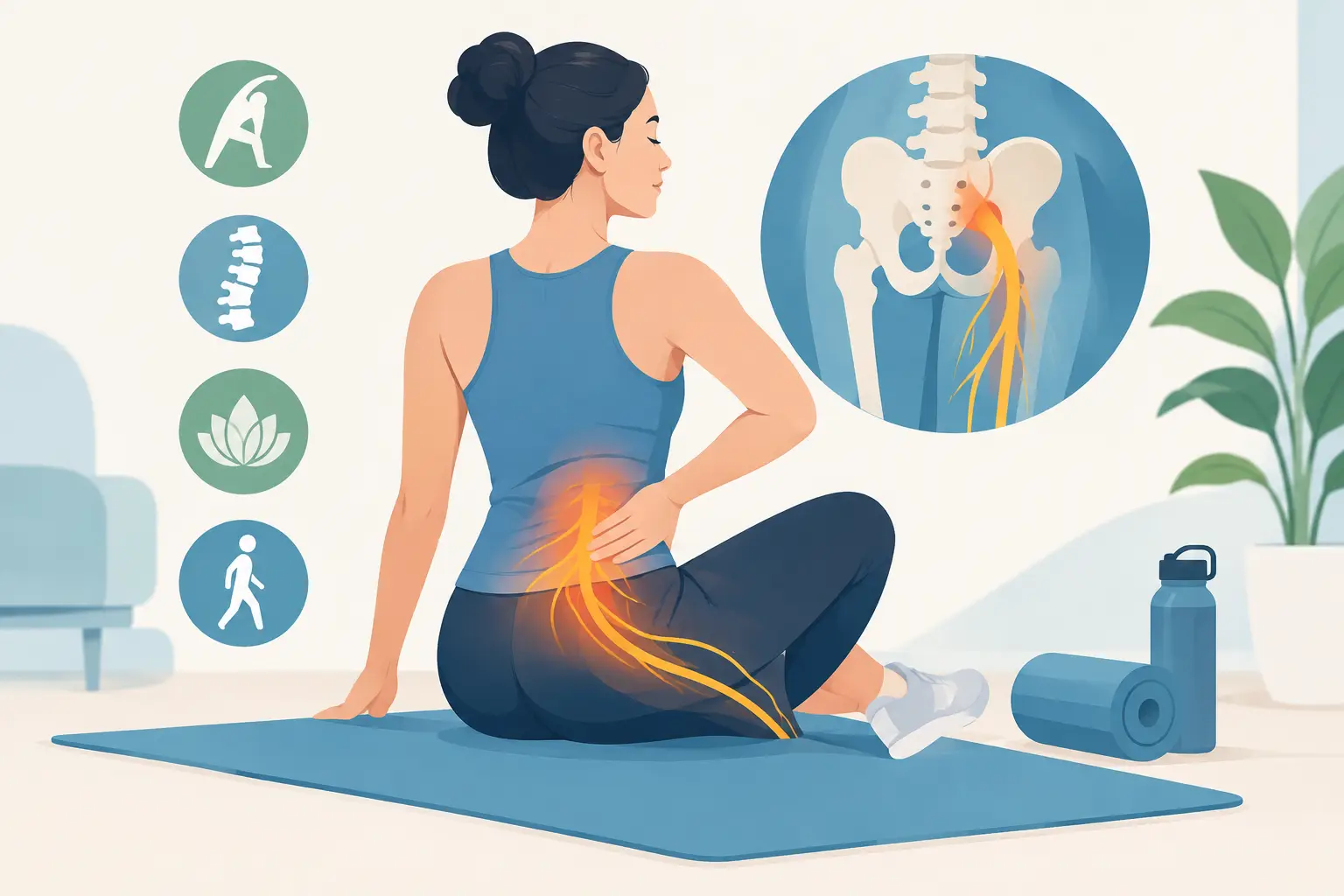
Sciatica is not a diagnosis by itself. It describes pain, tingling, numbness, or weakness that follows the path of the sciatic nerve, usually because a nerve root in the lower back is irritated or compressed. The source can vary, which is why a one-size-fits-all exercise routine is rarely the best answer.
Start by Understanding Your Symptoms
Sciatic symptoms often affect one side of the body and may travel below the knee. Some people feel burning or electric pain. Others notice pins and needles, reduced sensation, or weakness in the leg or foot. The intensity can change throughout the day and may be affected by sitting, bending, coughing, standing, walking, or certain sleep positions.
Common contributors include a disc bulge or herniation, age-related spinal changes, narrowing around a nerve, joint irritation, muscular tension, or movement patterns that repeatedly load sensitive tissues. Pregnancy, physically demanding work, sports injuries, and long periods of sitting can also contribute. An assessment helps identify which movements aggravate symptoms, which ones ease them, and whether the pain is likely coming from the spine, hip, or another nearby structure.
Recovery is not always linear. A good day followed by a flare-up does not automatically mean you have caused new damage. It can mean the irritated nerve or surrounding tissues were asked to do more than they could currently tolerate. The goal is to steadily build tolerance without repeatedly provoking severe symptoms.
Know When Sciatica Needs Urgent Care
Most cases of sciatica improve with conservative care, but certain symptoms need prompt medical attention. Seek urgent assessment if you develop new loss of bladder or bowel control, numbness in the groin or inner thighs, rapidly worsening leg weakness, or severe symptoms after a major fall, collision, or other trauma.
Contact a healthcare professional soon if pain is persistent, progressively worsening, accompanied by unexplained weight loss or fever, or disrupting sleep without relief. These symptoms do not always indicate a serious condition, but they should not be managed with online advice alone.
The First Phase of a Sciatica Recovery Plan
When symptoms are acute, complete bed rest is usually not the answer. Staying still for too long can increase stiffness, reduce confidence with movement, and make daily activities harder to resume. At the same time, pushing through sharp or spreading leg pain can prolong irritation.
A better approach is relative rest. Continue gentle, tolerable movement while temporarily reducing activities that clearly flare your symptoms. This may mean shorter walks, changing how often you sit, avoiding repeated heavy lifting, or breaking household tasks into smaller portions. Frequent position changes can be more helpful than trying to find one perfect posture.
Heat or ice may provide short-term comfort for some people. The best choice is the one that feels better and allows you to move more easily afterward. Medication may also be appropriate for some patients, but decisions about medication should be made with a physician or pharmacist who understands your health history.
Why Assessment Matters in Sciatica Recovery
The same stretch that relieves one person’s symptoms can worsen another person’s. For example, some patients feel better with gentle backward-bending movements, while others respond better to flexion-based positions or hip mobility work. This depends on the source of irritation and how your symptoms behave.
A physiotherapist can assess your posture, spinal and hip mobility, nerve sensitivity, strength, walking pattern, and functional limitations. They can also look beyond the painful area. Weakness through the trunk or hips, reduced ankle control, guarded movement after an injury, and repetitive workplace demands may all affect recovery.
At Panorama Physiotherapy and Chiropractic Clinic, care can be coordinated across disciplines when appropriate. Physiotherapy may focus on movement, exercise, education, and return-to-activity planning, while chiropractic care or hands-on treatment may be used to address mobility restrictions and pain. The right combination depends on the patient, not on a preset treatment package.
A Practical Sciatica Recovery Guide to Movement
The most useful exercise program is specific to your presentation, but several principles apply to many people recovering from sciatica. Begin with movements that do not make pain spread farther down the leg. A reduction in leg symptoms, even if some low-back discomfort remains, is often a more favorable sign than pain moving farther toward the foot.
Walking is frequently a useful starting point because it supports circulation, confidence, and gradual conditioning. Start with a duration that is manageable, even if that is only a few minutes, and build slowly. If walking increases symptoms, a clinician can help adjust pace, terrain, posture, or timing.
Gentle mobility exercises may be prescribed for the low back, hips, or hamstrings, but stretching should not be aggressive. Nerves are sensitive structures, and forceful hamstring stretching can sometimes increase leg pain. Controlled nerve-gliding exercises may be appropriate, yet they should be performed with precise guidance and without forcing symptoms.
As pain settles, rehabilitation often shifts toward strength and endurance. This can include trunk control, hip strengthening, balance work, squatting, lifting mechanics, and task-specific training. A parent who repeatedly lifts a child needs a different return-to-function plan than a warehouse worker, golfer, runner, or office professional.
Manage Daily Triggers Without Avoiding Life
Temporary modifications can make recovery more comfortable while you build capacity. If sitting aggravates symptoms, try standing up briefly every 20 to 30 minutes, using lumbar support if it feels helpful, and avoiding long slouched positions. If getting in and out of a vehicle is difficult, move slowly, keep your body facing forward, and pivot with your feet rather than twisting through the back.
For lifting, keep objects close to your body, avoid rushed twisting, and ask for help with loads that exceed your current ability. This is not about moving with fear. It is about giving your body a manageable progression back to normal demands.
Sleep can be another challenge. Side sleeping with a pillow between the knees or back sleeping with a pillow under the knees may reduce strain for some people. There is no universal best sleep position, so comfort and symptom response should guide the choice.
What Can Slow Recovery
Many people delay care because they expect sciatica to disappear on its own. Mild cases can improve over time, but ongoing pain, numbness, or weakness deserves attention. Waiting while avoiding movement entirely can lead to deconditioning and greater difficulty returning to work, exercise, or family responsibilities.
Another common setback is relying only on passive relief. Massage, manual therapy, acupuncture, dry needling, or decompression therapy may help reduce pain and improve mobility for selected patients, but they work best when paired with an active plan. Long-term recovery usually requires rebuilding movement confidence, strength, and tolerance for the activities that matter to you.
It also helps to avoid judging progress solely by pain level. Better sleep, longer walks, fewer leg symptoms, improved sitting tolerance, and greater ease with stairs are meaningful signs that function is returning.
Set a Recovery Goal That Fits Your Life
Sciatica recovery may take days, weeks, or longer depending on the cause, severity, overall health, and demands of daily life. Rather than chasing a fixed timeline, set functional goals that can be measured. You may want to sit through a workday with fewer breaks, return to the gym, lift safely at work, walk your dog comfortably, or play with your children without guarding every movement.
A personalized plan gives those goals structure. It should be adjusted as your symptoms and abilities change, with clear guidance on what discomfort is acceptable and what signals that an exercise or activity needs to be modified. With the right support, recovery becomes less about avoiding pain and more about returning to the life you want to live.