
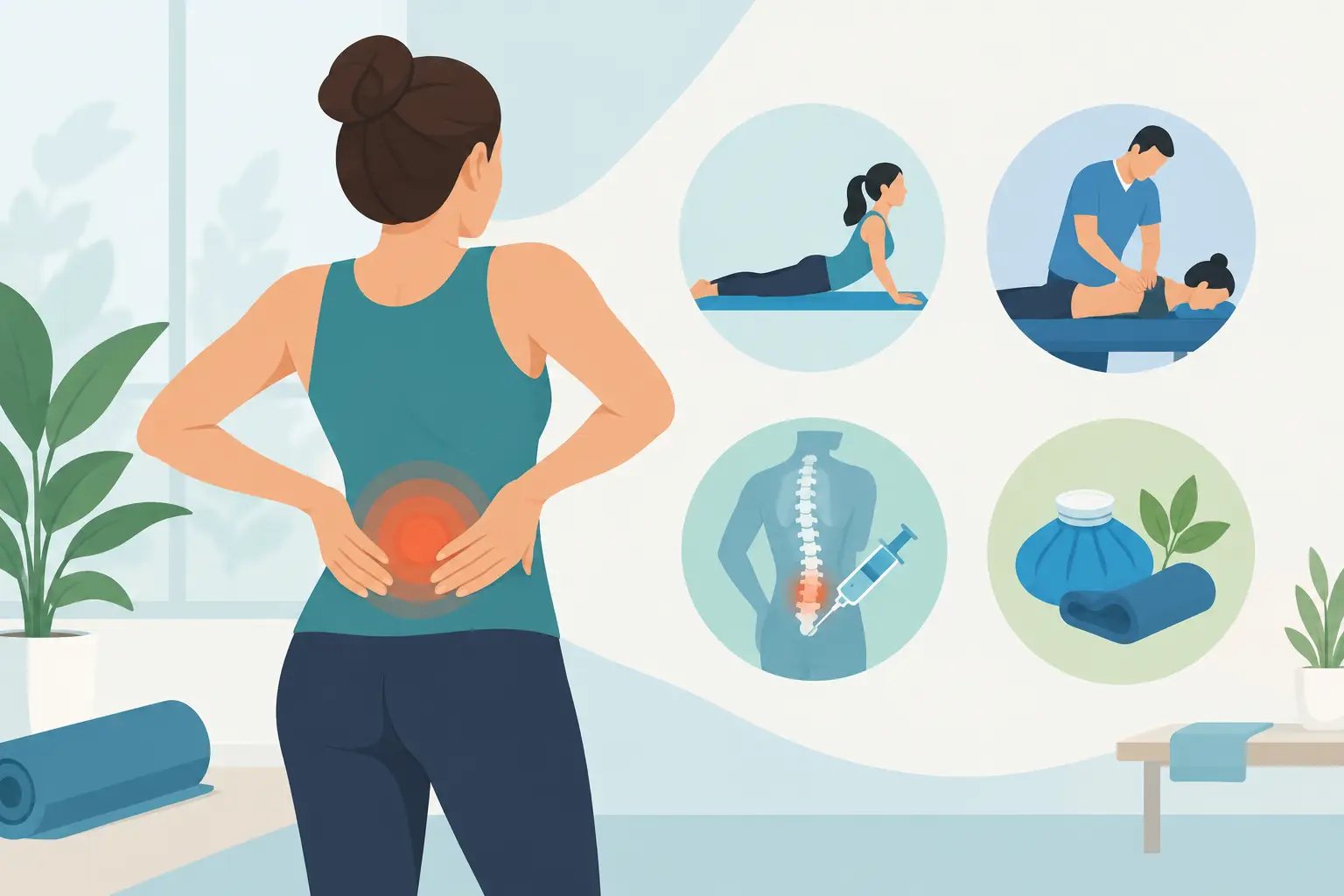
Best Lower Back Treatments for Lasting Relief
A sharp catch when you stand up, an ache after a long drive, or pain that keeps you from lifting your child can change how you move through the day. The best lower back treatments are not simply about masking discomfort for a few hours. They begin by identifying why your back is irritated, then building a plan that helps you move with greater comfort, confidence, and control.
Low back pain is common, but the reason behind it is not always obvious. It may follow a sports injury, repetitive work demands, a motor vehicle accident, poor lifting mechanics, prolonged sitting, or a gradual loss of strength and mobility. A personalized assessment helps separate what is driving your symptoms from what is merely aggravating them.
What Makes a Lower Back Treatment Effective?
There is no single treatment that is best for every person with back pain. A runner with pain after training needs a different approach than a warehouse worker with a lifting injury or an older adult who feels stiff after getting out of bed. The most effective care is based on your symptoms, medical history, movement patterns, daily demands, and recovery goals.
A clinician will often assess how your spine, hips, pelvis, and surrounding muscles move together. They may look at your posture, range of motion, core control, walking pattern, strength, and how pain responds to certain movements. This matters because the lower back often compensates when the hips, abdominal muscles, or upper back are not doing their share of the work.
The goal is not to chase a perfectly straight posture or eliminate every sensation immediately. It is to reduce pain, restore useful movement, and help you return safely to the activities that matter to you.
Best Lower Back Treatments: A Personalized Approach
Physiotherapy for movement, strength, and recovery
Physiotherapy is often a central part of lower back rehabilitation because it combines hands-on care with an active recovery plan. Your physiotherapist may use guided movement, manual therapy, education, and progressive exercises to improve mobility and reduce sensitivity in painful tissues.
Exercise is especially valuable when it is matched to your current ability. Early in recovery, that may mean gentle movements that help you tolerate bending, walking, or changing positions. As symptoms improve, the plan can progress toward hip strength, core endurance, balance, lifting mechanics, and sport- or work-specific training.
The right exercise should feel manageable, not punishing. Some mild discomfort can be normal while rebuilding capacity, but sharp, spreading, or worsening pain should be discussed with your provider. Consistency usually matters more than doing an intense workout once a week.
Chiropractic care for joint mobility and pain relief
Chiropractic care may help people whose low back pain is linked to joint stiffness, restricted movement, or mechanical irritation. Depending on your assessment and comfort level, care may include spinal manipulation, joint mobilization, soft tissue techniques, and movement recommendations.
For some patients, hands-on treatment can provide meaningful short-term relief and make it easier to begin an active rehabilitation program. It is generally most useful as part of a broader plan that also addresses strength, mobility, and the habits that repeatedly load the back.
Chiropractic treatment is not a one-size-fits-all answer. A qualified practitioner should explain why a technique is recommended, what you may feel afterward, and how your treatment plan will evolve as you improve.
Manual therapy and soft tissue treatment
Muscles around the low back, hips, and pelvis can become tight or protective when pain has been present for days or months. Manual therapy can include hands-on mobilization, muscle release techniques, or other targeted methods intended to improve comfort and movement.
Treatments such as Graston Technique, cupping, or functional dry needling may also be considered when appropriate. These options can help some patients manage muscle tension or localized sensitivity, but they work best when paired with active exercise and a plan to improve how the body tolerates daily activity. Passive treatment alone rarely creates lasting change.
Acupuncture and dry needling for persistent muscle pain
Acupuncture or functional dry needling may be useful when muscle tightness, trigger points, or persistent pain are limiting progress. While the techniques differ, both may be used to reduce muscular guarding and improve tolerance to movement.
Response varies from person to person. Some people notice relief after an early session, while others need several treatments before deciding whether it is a worthwhile addition to their care. Your provider can help determine whether this option fits your condition, health history, and comfort level.
Decompression therapy in selected cases
Spinal decompression therapy may be recommended for certain patients with disc-related symptoms, leg pain, or symptoms aggravated by spinal compression. It uses controlled traction to gently create space through the spine, with the aim of reducing pressure and improving comfort.
Decompression is not necessary for every episode of back pain, and it should not replace a thorough assessment. When appropriate, it can be combined with physiotherapy, chiropractic care, and gradual strengthening to support a more complete recovery.
The Daily Habits That Support Treatment
Your appointments matter, but the time between them is where much of your progress is built. This does not mean you need to stop every activity or wait for pain to disappear before moving. In many cases, carefully paced movement is more helpful than prolonged rest.
Walking, changing positions regularly, and using comfortable movement strategies can prevent stiffness from building through the day. If sitting increases symptoms, short standing or walking breaks may help. If lifting is painful, adjusting how close you stand to an object, bending through the hips and knees, and avoiding rushed twisting can reduce strain while you recover.
Sleep also deserves attention. There is no single best mattress or sleeping position, but support pillows can sometimes improve comfort. Side sleepers may benefit from a pillow between the knees, while back sleepers may find relief with a pillow under the knees. The best position is usually the one that allows you to rest without repeatedly waking from pain.
When Lower Back Pain Needs Urgent Medical Attention
Most low back pain is not dangerous, but some symptoms require immediate medical assessment. Seek urgent care if back pain occurs with:
- New loss of bladder or bowel control
- Numbness around the groin, inner thighs, or buttocks
- Significant or worsening leg weakness
- Fever, unexplained weight loss, or a history of cancer
- Severe pain after a major fall, collision, or other trauma
You should also speak with a healthcare provider promptly if pain is constant and worsening, wakes you regularly at night, or does not improve as expected. A proper assessment helps rule out serious concerns and directs you toward the care that is appropriate for you.
Why Coordinated Care Can Make a Difference
When symptoms have more than one contributing factor, it can be helpful to have different treatment options available in one clinic. A patient may benefit from physiotherapy exercises to rebuild strength, chiropractic care to address joint restrictions, and acupuncture or dry needling to help settle muscular pain that is preventing movement.
At Panorama Physiotherapy and Chiropractic Clinic, care is guided by your goals, whether that means returning to work, getting back to the gym, sitting through a commute comfortably, or simply moving without fear. Your treatment plan should be adjusted as your symptoms and abilities change, rather than following a fixed series of appointments.
Lasting back relief often starts with one practical step: get an assessment, understand what your body needs, and begin a plan you can realistically follow. Small, steady gains in movement and strength can add up to a meaningful return to the life you want to live.