
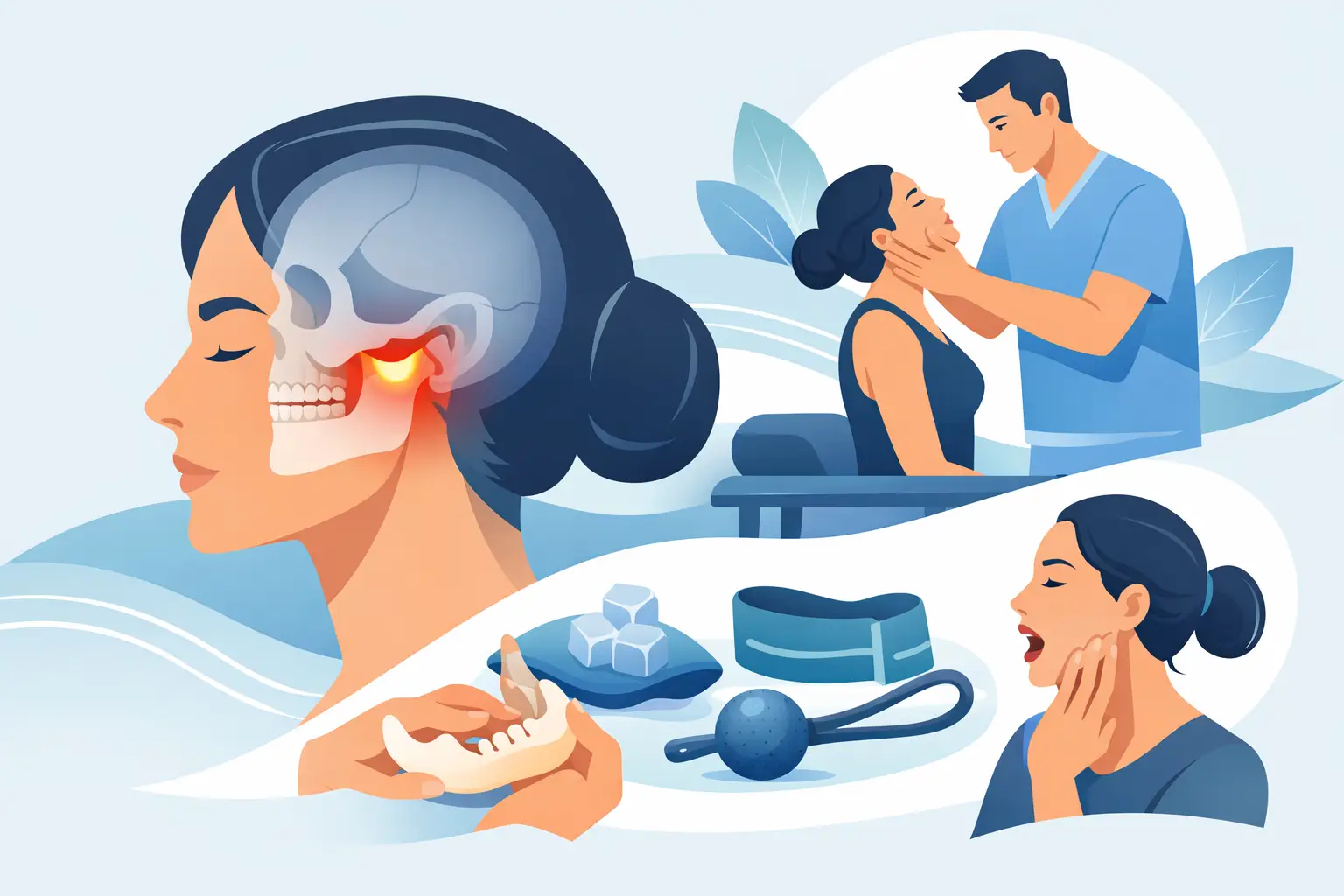
Your Guide to TMJ Physiotherapy Treatment
Jaw pain can make ordinary moments surprisingly difficult: chewing a meal, speaking through a meeting, yawning, or getting a full night of sleep. This guide to TMJ physiotherapy treatment explains how a personalized physiotherapy plan can address jaw discomfort, clicking, tension, and movement restrictions while helping you return to daily activities with more confidence.
The temporomandibular joints, often called TMJs, connect your lower jaw to your skull. They work alongside muscles in your jaw, face, neck, and upper back every time you talk, eat, swallow, or yawn. When these joints or surrounding tissues become irritated or poorly coordinated, the result may be temporomandibular disorder, also known as TMD.
TMJ symptoms are not always limited to the jaw. Some people notice facial aching, headaches, ear-area pain, neck stiffness, tooth sensitivity, or a feeling that the jaw catches or does not open fully. Because several structures can contribute to these symptoms, a thorough assessment matters more than a one-size-fits-all exercise sheet.
When TMJ Physiotherapy May Help
TMJ physiotherapy is designed to improve how the jaw, neck, and surrounding muscles move and tolerate daily demands. It can be helpful when symptoms are linked to muscle tension, jaw clenching or grinding, joint irritation, posture, a recent dental procedure, stress-related habits, or an injury to the face or neck.
Common reasons to seek care include pain while chewing, popping or clicking that is painful or limiting, reduced mouth opening, jaw locking, frequent tension headaches, and soreness around the temples or cheeks. Clicking on its own is not always a problem. Many people have painless jaw noises without needing treatment. The concern is greater when noise occurs with pain, locking, limited movement, or a change in how your teeth come together.
A physiotherapist can also assess whether neck dysfunction may be adding to the problem. The jaw and neck do not work in isolation. Guarding through the neck and shoulders, prolonged screen posture, or a previous whiplash injury can affect muscle tension and movement patterns around the jaw.
What Happens During a TMJ Assessment?
Effective care begins by listening carefully. Your physiotherapist will ask when symptoms began, what makes them worse or better, whether you clench or grind your teeth, and how the issue affects eating, sleep, work, exercise, and daily life. They may also ask about headaches, dizziness, stress, recent dental work, injuries, and medical history.
The physical assessment may include observing how your jaw opens and closes, measuring mouth opening, feeling the jaw and neck muscles for tenderness, and checking joint movement. Your provider may assess your neck, shoulders, and upper back as well, along with posture and breathing patterns where relevant. These findings help identify whether your main limitation is joint mobility, muscle sensitivity, poor movement control, protective guarding, or a combination of factors.
This assessment also helps determine when another provider should be involved. Physiotherapy can work well alongside dental care, particularly if a night guard, bite assessment, or dental evaluation is appropriate. Persistent locking, significant swelling, a recent fracture or dislocation, fever, unexplained weight loss, new numbness, or severe pain after trauma should be assessed promptly by the appropriate medical or dental professional.
A Guide to TMJ Physiotherapy Treatment Options
Your treatment plan should match your symptoms, goals, and assessment findings. Some patients need a short period of care to settle a flare-up and learn a home routine. Others benefit from a more gradual plan when pain has been present for months, when headaches are frequent, or when jaw symptoms are connected to broader neck and posture concerns.
Hands-On Treatment for Pain and Mobility
Manual therapy may be used to address sensitive or restricted tissues in the jaw, face, neck, and upper back. Depending on your needs and comfort level, this can include gentle joint mobilization and soft tissue techniques for tight jaw and neck muscles.
The goal is not to force the jaw into a greater range of motion. It is to reduce unnecessary guarding, improve comfortable movement, and help the jaw move more evenly. Many people notice temporary relief after hands-on care, but lasting progress usually comes from pairing treatment with exercises and changes to aggravating habits.
Targeted Jaw and Neck Exercises
Exercises are selected based on what your jaw needs. If opening is restricted, your plan may focus on controlled mobility. If the jaw shifts, clicks painfully, or feels unstable, the focus may be on coordination and gentle strengthening. When clenching has overworked the muscles, relaxation and awareness strategies may take priority before progressing to more active exercise.
A physiotherapist may also prescribe neck and upper-back exercises. Better control and endurance through these areas can reduce the strain that builds during desk work, driving, lifting, or long periods of looking down at a phone. Exercises should feel manageable and should not create a sharp increase in jaw pain. Mild muscle fatigue can be normal; worsening pain that lasts should be discussed with your provider.
Education That Changes Daily Habits
Jaw recovery often depends on what happens between appointments. Your physiotherapist may help you identify habits that overload the joint, such as teeth touching at rest, gum chewing, nail biting, leaning your chin into your hand, or taking oversized bites.
A relaxed jaw position is usually simple: lips together, teeth apart, and the tongue resting gently on the roof of the mouth. This is not about holding a rigid posture all day. It is a quick reset that can reduce unconscious clenching during stressful tasks.
During a painful flare-up, temporarily choosing softer foods and avoiding very wide opening can help calm irritation. That does not mean avoiding normal eating indefinitely. Prolonged restriction can create fear around movement and reduce confidence. The right approach is to reduce the specific activities that aggravate symptoms, then gradually restore comfortable function.
What Progress Usually Looks Like
TMJ recovery is rarely measured by one perfect appointment. Early improvements may include less morning jaw tension, fewer headaches, easier chewing, or an ability to open your mouth farther with less discomfort. As symptoms settle, treatment can shift toward building tolerance for normal meals, speaking, exercise, and work demands.
The timeline depends on the cause and duration of symptoms. A recent muscle-related flare-up may respond relatively quickly. Long-standing pain, frequent clenching, sleep disruption, or a history of neck injury may require a longer plan. Consistency with home exercises and habit changes often has as much influence as the treatment received in the clinic.
Pain relief is a meaningful goal, but it is not the only one. A strong plan also improves your ability to eat, sleep, communicate, and move without constantly monitoring your jaw. Your physiotherapist should reassess your response and adjust care rather than continuing the same approach without measurable progress.
Practical Steps You Can Take Between Visits
Small changes can support treatment without turning your day into a long list of rules. Notice when your teeth are touching during computer work, traffic, or stressful conversations, then let the jaw soften. Take brief posture breaks instead of waiting until your neck and shoulders are already tight. If chewing increases pain, choose smaller bites and distribute chewing on both sides as tolerated.
Heat can feel soothing for muscle-related jaw tension, while some people prefer a cold pack after an irritated or overworked joint. Use either for a short period with a protective layer between the pack and skin. Your physiotherapist can help you decide which option fits your presentation.
Avoid repeatedly testing the click, stretching aggressively, or forcing the jaw open to prove that it can move. These habits can keep the joint irritated. Controlled, prescribed movement is more useful than frequent self-testing.
Coordinated Care for Jaw Pain
TMJ symptoms can have more than one contributor, which is why coordinated care can be valuable. A physiotherapist may recommend communication with your dentist or physician when your symptoms suggest a need for dental assessment, medication review, imaging, or another form of care. This is not a sign that physiotherapy has failed. It is a practical way to make sure the full picture is addressed.
At Panorama Physiotherapy and Chiropractic Clinic, TMJ care is approached as part of your overall movement and recovery needs. Your plan can account for jaw function, neck mobility, headaches, posture, work demands, and the activities you want to return to.
If jaw pain is affecting meals, sleep, or your ability to focus through the day, an in-person assessment can provide clear next steps. The goal is not simply to quiet a painful joint, but to help you move, eat, and live with greater comfort over time.