
Best Treatments for Disc Herniation That Work
A disc herniation can make ordinary movements feel risky. Sitting through a meeting, getting in and out of the car, bending to pick up a child, or sleeping comfortably may suddenly become difficult. The best treatments for disc herniation are rarely about one quick fix. They combine a clear assessment, symptom-calming strategies, progressive movement, and the right referral when more advanced care is needed.
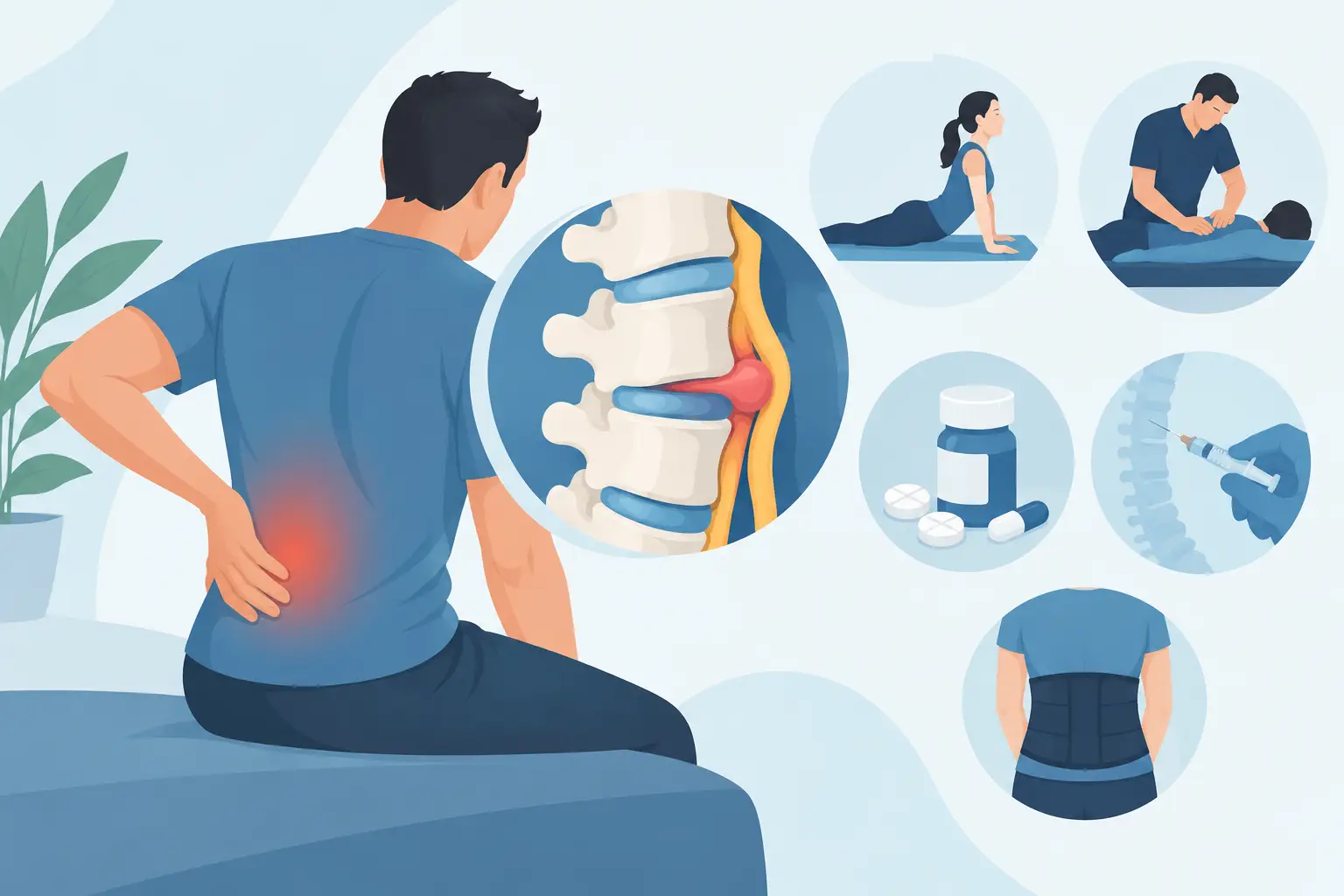
A herniated disc occurs when material from the softer center of a spinal disc pushes through or irritates the outer layer. In the low back, this can irritate a nerve and cause pain, tingling, numbness, or weakness down the leg, often called sciatica. In the neck, symptoms may travel into the shoulder, arm, or hand. The location of pain matters, but so do strength, sensation, reflexes, daily function, and how symptoms respond to movement.
Start With the Right Assessment
Not every episode of back or neck pain is a disc herniation, and not every disc change seen on imaging is the source of symptoms. Disc bulges and degeneration are common, including in people without pain. That is why treatment should begin with a hands-on clinical assessment rather than an MRI result alone.
A qualified provider will ask how symptoms began, where they travel, what positions aggravate or ease them, and whether there has been a change in walking, lifting, sleep, work, or sport. They may assess range of motion, nerve sensitivity, muscle strength, balance, reflexes, and functional tasks. This helps distinguish a likely disc-related problem from hip conditions, joint irritation, muscular injuries, or other causes of nerve pain.
Imaging may be appropriate when symptoms are severe, persistent, worsening, or accompanied by significant weakness. It can also be useful when a physician is considering an injection or surgery. For many people with a new, uncomplicated episode, early imaging does not change the initial plan of care.
Know When Symptoms Need Urgent Medical Care
Seek urgent medical assessment for new loss of bowel or bladder control, numbness around the groin or inner thighs, rapidly increasing leg or arm weakness, severe unrelenting pain with fever, or symptoms following major trauma. These signs are uncommon, but they should not be managed with home exercises or routine appointments alone.
Best Treatments for Disc Herniation Usually Begin Conservatively
Most people can make meaningful progress without surgery. The first goal is to reduce irritation enough that you can return to safe, confident movement. The right approach depends on the severity of symptoms, the affected spinal level, your work demands, and whether nerve function is stable.
Stay Gently Active Instead of Resting Too Long
A short period of reduced activity may be necessary during a painful flare. However, extended bed rest can lead to more stiffness, deconditioning, and fear of movement. Gentle walking, frequent position changes, and modified daily activity are often more helpful than trying to stay completely still.
The key is dosage. If a five-minute walk sharply increases leg pain or numbness for hours afterward, it is too much for that stage of recovery. If brief walks reduce stiffness and symptoms settle quickly, they are likely appropriate. A physiotherapist can help find a starting point that protects the irritated area without allowing the rest of the body to become inactive.
Targeted Physiotherapy and Exercise
Exercise is not simply a generic core workout. A personalized program may include movements that reduce radiating symptoms, improve spinal tolerance, restore hip mobility, and gradually rebuild strength for lifting, running, work tasks, or sports.
Some people feel better with repeated extension-based movements, while others respond better to flexion-based or side-gliding movements. The direction that helps is individual. A useful sign is when pain becomes less intense or moves out of the leg or arm and closer to the spine. This is often called centralization and can guide exercise selection.
As acute symptoms improve, rehabilitation should progress beyond pain relief. Controlled strengthening for the trunk, hips, and upper or lower body can improve capacity for real life. This may include squats, hinges, carries, step-ups, reaching tasks, and work-specific lifting patterns. The objective is not to avoid all spinal movement forever. It is to build tolerance and confidence with movement over time.
Manual Therapy and Hands-On Care
Manual therapy can help reduce pain, muscle guarding, and stiffness when used alongside active rehabilitation. Depending on the assessment, this may include joint mobilization, soft-tissue techniques, or other hands-on approaches intended to make movement more comfortable.
Chiropractic care may also be appropriate for selected patients with disc-related pain, particularly when treatment is adapted to the person’s symptoms and neurological findings. High-velocity techniques are not suitable for every presentation. A responsible plan considers symptom irritability, the direction of pain, medical history, imaging when available, and any signs of nerve deficit.
Hands-on treatment should support, not replace, progressive exercise and self-management. If relief only lasts until the next appointment and function is not improving, the treatment plan should be reassessed.
Symptom Relief That Supports Recovery
Heat or ice may provide short-term comfort, depending on personal preference. Some people benefit from over-the-counter pain medication or anti-inflammatory medication, but these options should be discussed with a physician or pharmacist, especially if you have kidney disease, stomach ulcers, heart conditions, take blood thinners, or are pregnant.
Acupuncture, functional dry needling, or other complementary treatments may help some patients manage muscle tension and pain sensitivity. They work best as part of a broader plan that includes movement, education, and gradual functional rehabilitation. They are not a way to “put a disc back in place.”
Spinal decompression or traction may be considered in some cases, especially when symptoms are affected by unloading positions. Results vary, and it is not appropriate for everyone. A thorough assessment is needed to determine whether it is a reasonable addition to care.
When Injections or Surgery May Be Considered
If nerve pain remains severe despite a well-managed conservative program, a physician may discuss an epidural steroid injection. The goal is generally to reduce inflammation and pain enough to help a person participate in rehabilitation. Injections can offer temporary relief for some patients, but they do not repair the disc and are not always necessary.
Surgery may be considered when there is progressive muscle weakness, a serious nerve compression syndrome, or persistent disabling leg or arm pain that has not improved with appropriate non-surgical care. Procedures such as a discectomy can be very effective for carefully selected patients, particularly when nerve compression clearly matches the person’s symptoms and examination findings.
Surgery has trade-offs. It involves recovery time and potential risks, and it does not eliminate the need for rehabilitation afterward. A surgical opinion is valuable when indicated, but it should be based on the whole clinical picture rather than pain alone.
What Recovery Should Look Like
Recovery from a disc herniation is not always linear. You may have better days and occasional flares as you increase activity. A flare does not automatically mean new damage has occurred. It may simply mean the nervous system and surrounding tissues need a slower progression.
Good signs include less frequent or less intense radiating pain, improved sleep, greater walking tolerance, restored strength, and the ability to return to meaningful tasks with fewer restrictions. Tracking these functional changes can be more useful than judging recovery by pain on a single day.
At Panorama Physiotherapy and Chiropractic Clinic, care can bring physiotherapy, chiropractic treatment, manual therapy, acupuncture, and rehabilitation planning together under one roof when that coordinated approach fits your needs. Your plan should be adjusted as symptoms change, with clear goals tied to the activities that matter most to you.
The most helpful next step is not to force through severe pain or avoid movement indefinitely. Get an assessment, understand your specific presentation, and follow a progressive plan that helps you move with less fear and more confidence.