
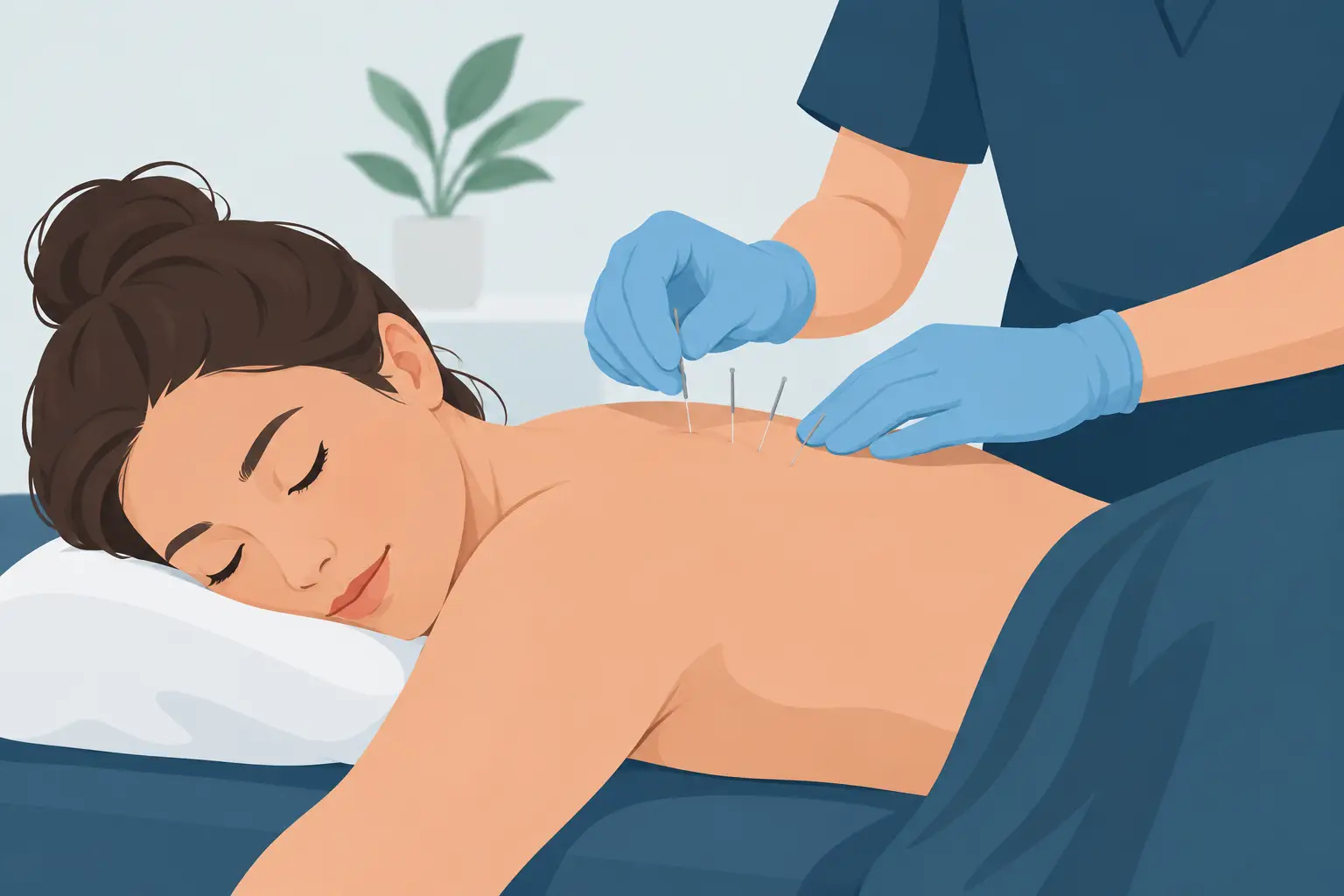
Does Dry Needling Hurt? What Treatment Feels Like
A tight calf that will not release, a stubborn neck ache, or a painful knot between the shoulder blades can make almost any treatment sound worth trying. Still, many people pause at the thought of a needle. Does dry needling hurt? Most patients describe it as a brief, manageable sensation rather than significant pain. The exact feeling depends on the area being treated, how sensitive your muscles are, and the nature of your condition.
Dry needling is never meant to be something you simply endure. A qualified provider should explain what they are doing, check in with you throughout treatment, and adjust the approach when needed. At Panorama Physiotherapy and Chiropractic Clinic, treatment decisions are based on your symptoms, movement, goals, and comfort level – not a one-size-fits-all protocol.
What Dry Needling Actually Feels Like
Functional dry needling uses a very thin, solid needle to target sensitive muscle tissue and trigger points. These are tight, irritable spots in muscle that may contribute to local pain, stiffness, restricted movement, or pain that travels into another area of the body.
Many people barely feel the needle enter the skin. It is much thinner than the needle commonly used for a blood draw or injection. When the needle reaches a sensitive muscle point, however, you may notice a quick pinch, dull ache, pressure, warmth, or a brief muscle twitch. That twitch can feel surprising, especially during your first session, but it usually lasts only a moment.
Some areas are naturally more sensitive than others. Needling in a very tight upper trapezius muscle, the muscles around the hip, or the calf may create more of an ache than treatment in a less irritated area. If you are already flared up, fatigued, anxious, or sore from activity, your nervous system may also interpret sensations more intensely.
The goal is not to create pain. The goal is to access the muscle tissue that may be limiting comfortable movement and support a more complete rehabilitation plan.
Does Dry Needling Hurt More Than Acupuncture?
Dry needling and acupuncture both use thin needles, but they are based on different assessment and treatment approaches. Dry needling is commonly used within musculoskeletal care to address muscle tension, trigger points, and movement-related pain. Acupuncture follows a different framework and may be used for a broader range of health concerns.
From a patient perspective, the sensation can differ because dry needling often involves targeting a tight muscle directly. A practitioner may gently move the needle or use a technique intended to produce a twitch response. That can create a stronger, short-lived sensation than a needle that remains still.
Neither experience should be overwhelming. If you have had acupuncture before, tell your provider what you liked or disliked about it. If needles are completely new to you, say so before treatment begins. This allows your provider to explain each step, start conservatively, and choose techniques that fit your comfort level.
Why a Muscle May Twitch or Ache During Treatment
A trigger point is not just a knot you can feel with your fingers. It can be a sensitive area of muscle that is contributing to guarding, altered movement, or referred discomfort. For example, a trigger point in the gluteal muscles may contribute to hip or low back symptoms, while one in the shoulder may be connected to pain traveling down the arm.
When a needle reaches an irritable point, the muscle may contract briefly. This is called a local twitch response. It is not dangerous in itself, and it can be a useful sign that the provider has reached the targeted tissue. Some patients feel an immediate sense of release afterward. Others notice that movement feels easier later that day or after a few sessions.
Response varies. A twitch is not required for treatment to be helpful, and more sensation does not mean better treatment. Your provider should use your feedback, physical examination findings, and progress over time to guide care.
What to Expect After a Dry Needling Session
The most common after-effect is muscle soreness, similar to what you might feel after a new workout, deep tissue massage, or a long day of physical activity. It may last a few hours to two days. The treated area can feel tender, heavy, or temporarily bruised, particularly if the muscle was very tight before treatment.
Gentle movement is often helpful after dry needling. Your physiotherapist may recommend easy walking, mobility exercises, light stretching, hydration, or heat depending on your condition and the area treated. They may also pair dry needling with manual therapy, corrective exercise, or activity guidance so that the muscle has an opportunity to move differently after tension decreases.
A small spot of bleeding or bruising can occur, especially in people who bruise easily or take certain medications. Let your provider know about blood thinners, health conditions, pregnancy, recent surgery, allergies, or any history of fainting with needles. These details help determine whether dry needling is appropriate and how it should be performed.
Severe or worsening pain is not the expected result. Contact your provider if you have concerns about your response after treatment. If you develop unusual symptoms such as shortness of breath, chest pain, fever, or signs of infection, seek urgent medical assessment.
How Your Provider Can Make Treatment More Comfortable
Comfort starts before the first needle is used. A thorough assessment helps identify whether dry needling fits your condition and whether another treatment may be a better first step. It may be used for sports injuries, persistent neck or back pain, tension-related headaches, hip discomfort, muscle strains, or movement restrictions, but it is not necessary for every patient.
During the session, clear communication matters. Your provider can tell you where they plan to treat, what sensation to expect, and when to let them know if something feels too sharp, intense, or uncomfortable. You are always allowed to ask questions, request a pause, or decline dry needling altogether.
There are practical ways to make the experience easier. Eating normally beforehand, arriving hydrated, wearing clothing that allows access to the treatment area, and avoiding scheduling immediately after a demanding workout can help. Slow breathing also matters more than people expect. Tensing your whole body in anticipation may make a tight muscle more reactive, while a relaxed position can make treatment easier to tolerate.
When Dry Needling May Not Be the Right Choice
Dry needling is one tool within a broader rehabilitation plan, not a requirement for recovery. Some people prefer hands-on therapy, exercise-based care, chiropractic treatment, acupuncture, cupping, or other approaches. Others may have medical factors that mean dry needling should be postponed or avoided.
A patient-centered clinician will not pressure you into it. If your main concern is fear of needles, a gradual approach may help: begin with education and movement-based treatment, then consider needling later if it remains clinically appropriate. If you are seeking relief from a long-standing problem, your provider can also explain what dry needling can reasonably address and where strengthening, mobility work, sleep, work habits, or activity changes are equally important.
For many patients, dry needling feels less intimidating after the first carefully explained session. You do not need to be fearless or tolerate unnecessary discomfort to explore it. A conversation with a qualified rehabilitation provider can help you decide whether it fits your recovery goals and how to proceed at a pace that feels right for you.