
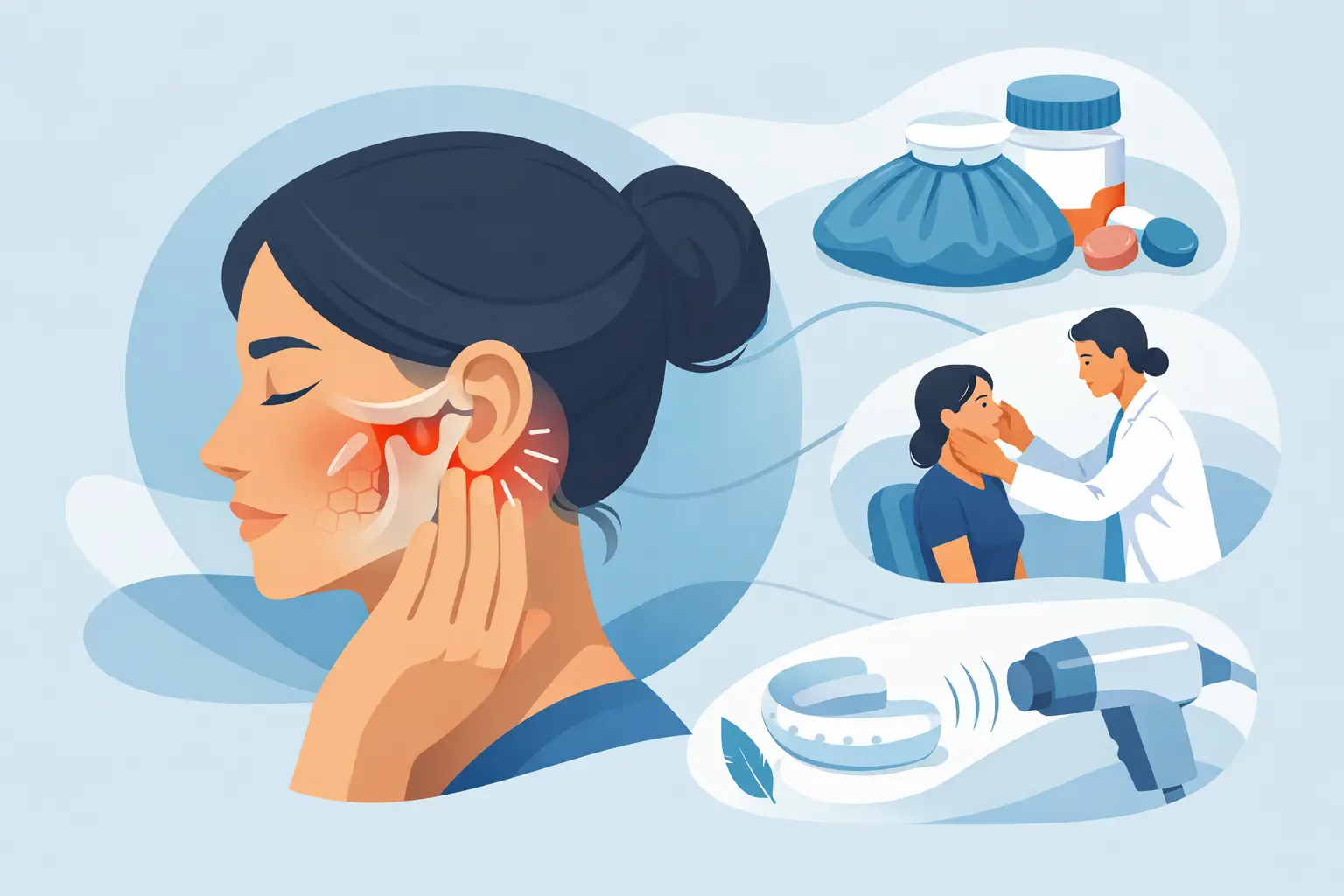
TMJ Pain Treatment Options That Can Help
Jaw pain rarely stays in the jaw. It can show up as headaches when you wake up, ear pressure during the day, neck tension at your desk, or pain when chewing a simple meal. When people start looking into tmj pain treatment options, they are often dealing with more than a sore joint – they are dealing with sleep disruption, stress, and daily discomfort that keeps coming back.
The good news is that TMJ pain is treatable. The better news is that effective care usually does not start with a one-size-fits-all fix. The jaw is closely connected to the muscles of the face, head, and neck, so the right treatment depends on what is actually driving the problem.
Understanding what TMJ pain really involves
TMJ stands for temporomandibular joint, the joint that connects your jaw to your skull. You have one on each side, and they work with a group of muscles, ligaments, and a small disc to open, close, and move the jaw smoothly. When that system becomes irritated or overloaded, pain and dysfunction can follow.
Some people notice clicking or popping without pain. Others deal with jaw stiffness, locking, pain near the ears, facial tension, or headaches that feel like they start at the temples. In many cases, the jaw itself is only part of the issue. Tight neck muscles, poor posture, stress-related clenching, previous injury, or changes in the bite can all contribute.
That is why a proper assessment matters. Treating jaw pain without understanding the cause often leads to short-term relief and long-term frustration.
Common tmj pain treatment options
There is no single best treatment for every case. The most effective approach depends on your symptoms, how long they have been present, and whether the main driver is muscular, joint-related, stress-related, or postural.
Physical therapy and manual therapy
For many patients, conservative care is the right place to start. Physical therapy can help improve jaw movement, reduce muscle tension, and address related dysfunction in the neck and upper back. Hands-on treatment may be used to release tight muscles, improve joint mobility, and reduce strain around the jaw.
Exercises are usually part of care as well. These may focus on controlled jaw motion, tongue positioning, posture, neck stability, and relaxation of overactive muscles. The goal is not just to reduce pain in the moment, but to improve how the jaw moves during talking, chewing, and resting.
This option is especially helpful when symptoms are linked to muscle tension, jaw overuse, postural strain, or movement dysfunction. It may be less effective on its own if there is significant dental misalignment or a more complex joint issue, which is why coordinated care can be valuable.
Chiropractic care for related joint and muscle tension
When TMJ pain is tied to neck stiffness, headaches, or upper cervical dysfunction, chiropractic care may be part of a broader treatment plan. A careful assessment can help determine whether surrounding joints and muscle patterns are contributing to stress on the jaw.
The purpose is not simply to focus on the jaw in isolation. It is to improve mechanics through the head, neck, and upper spine so the jaw is under less strain. For some patients, that can make chewing, sleeping, and even sitting at a computer more comfortable.
As with any treatment, the right approach depends on the person. Gentle, individualized care is key, especially if the area is already sensitive.
Dry needling, acupuncture, and muscle release
If tight muscles are a major driver, treatments aimed at reducing trigger points can be useful. Some patients carry significant tension in the masseter, temporalis, sternocleidomastoid, and upper trapezius muscles. Releasing these patterns can reduce both local jaw pain and the headaches that often come with it.
Functional dry needling and acupuncture may help calm irritated muscles and support pain relief. Soft tissue work can also be effective, especially when paired with home exercises and changes in daily habits. This tends to work best when muscular overload is a primary factor, not when the jaw is structurally blocked or severely inflamed.
Night guards and dental appliances
For patients who grind or clench their teeth, especially during sleep, a dentist may recommend a night guard or oral appliance. This can help reduce pressure on the teeth and jaw joint and may lessen morning pain or tension.
That said, a night guard is not a full treatment plan by itself for everyone. It can protect the teeth and reduce stress on the joint, but it does not automatically correct the muscle patterns, stress triggers, or postural habits that may be feeding the problem. In many cases, dental appliances work best as one part of a larger strategy.
Medication for short-term symptom relief
Over-the-counter anti-inflammatory medication or muscle relaxants may be recommended in some cases to help reduce pain and irritation. For acute flare-ups, this can be useful. It may help you eat more comfortably, sleep better, and tolerate exercise or therapy.
Still, medication typically manages symptoms rather than the underlying cause. If the jaw pain keeps returning, further assessment is worth pursuing.
Stress management and habit changes
This part is often overlooked, but it matters. Many people clench their jaw without realizing it, especially during stressful workdays, long drives, or sleep. Others chew gum frequently, bite their nails, rest their chin in their hand, or eat foods that overload an already irritated joint.
Small changes can make a meaningful difference. Relaxing the jaw at rest, keeping the teeth slightly apart, choosing softer foods during flare-ups, and reducing habits that strain the jaw can all support recovery. If stress is a major trigger, treatment tends to work better when relaxation strategies are included rather than ignored.
When combined care makes the biggest difference
TMJ issues often respond best to multidisciplinary care because the problem itself is rarely isolated. A patient may need manual therapy for the jaw, exercise for the neck, a dental appliance for night clenching, and guidance on daily habits. That is not over-treatment – it is simply a reflection of how interconnected the area is.
A clinic that offers coordinated rehabilitation services under one roof can make this process easier. Instead of chasing separate opinions without a plan, patients can move through assessment, treatment, and follow-up with a clearer sense of what is helping and why.
At Panorama Physiotherapy and Chiropractic Clinic, this kind of coordinated care is part of the treatment model for patients dealing with jaw pain, headaches, and related muscular tension.
What to expect from a TMJ assessment
A good assessment should go beyond asking where it hurts. Your provider should look at how far the jaw opens, whether it shifts to one side, whether clicking is painful, and how the muscles of the jaw and neck are functioning. They may ask about headaches, teeth grinding, posture, stress, injury history, and whether your symptoms are worse in the morning or later in the day.
This information helps shape treatment. For example, morning pain may suggest nighttime clenching. Pain during desk work may point to posture and neck loading. Locking or catching may indicate a more specific joint issue that needs closer attention.
If needed, referral to a dentist or another provider may also be part of the plan. Good care is not about forcing every case into one discipline. It is about matching the treatment to the problem.
When to seek care sooner
Some jaw symptoms should not be brushed off. If your jaw is locking, you cannot fully open your mouth, pain is getting worse, or headaches and facial tension are becoming more frequent, it is a good time to get assessed. The same is true if symptoms are affecting eating, sleep, concentration, or quality of life.
Early treatment can be helpful because persistent pain often leads to compensation. People chew differently, tighten their shoulders, avoid certain foods, or develop more tension through the head and neck. The longer that pattern continues, the harder it can be to break.
Finding the right tmj pain treatment options for you
The best tmj pain treatment options are the ones that match your specific symptoms and address the reasons they developed in the first place. For one person, that may mean manual therapy and jaw exercises. For another, it may involve dental support, posture correction, and treatment for neck-related tension. Often, it is a combination.
What matters most is getting a clear assessment and a treatment plan that is personalized, practical, and focused on lasting improvement rather than temporary relief. Jaw pain can be stubborn, but it does not have to become your normal. The right care can help you eat, speak, sleep, and move through the day with a lot less tension.