
Concussion Care Versus Rest for Better Recovery
A concussion can make ordinary tasks feel unexpectedly difficult. Reading a screen, driving, attending class, or walking through a busy grocery store may bring on headache, dizziness, fogginess, or fatigue. The question of concussion care versus rest matters because recovery is not usually about choosing one or the other. It is about getting the right amount of rest early on, then gradually reintroducing activity with professional guidance.
For years, people were often told to stay in a dark, quiet room until every symptom disappeared. Complete isolation for an extended period is no longer the standard approach for most people. While the brain needs time and protection after an injury, too much inactivity can contribute to deconditioning, sleep disruption, anxiety, and a slower return to daily life.
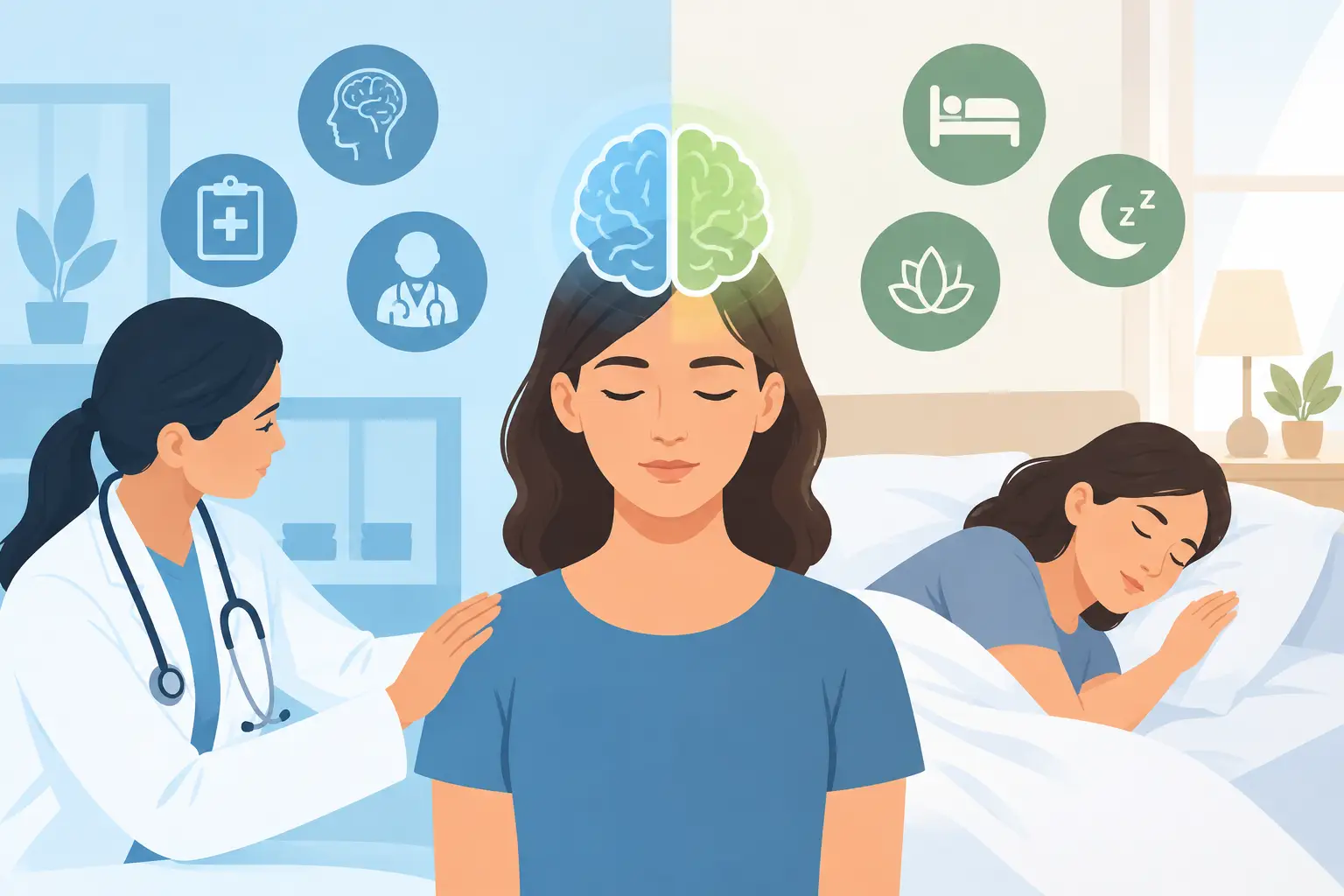
Concussion Care Versus Rest: The Key Difference
Rest has a role, especially in the first 24 to 48 hours after a suspected concussion. Reducing physical exertion, screen time, loud environments, and demanding mental tasks may help avoid a significant symptom flare. This does not necessarily mean strict bed rest. Gentle daily movement and basic activities are often appropriate if they do not substantially worsen symptoms.
Concussion care is broader. It begins with an assessment of your symptoms, medical history, balance, vision, neck function, activity demands, and recovery goals. A personalized plan may include education, pacing strategies, gradual aerobic exercise, vestibular rehabilitation, manual therapy for neck-related symptoms, and targeted exercises for balance or visual sensitivity.
The goal is not to push through symptoms or avoid all symptoms at any cost. Instead, care is designed to help you stay within a manageable symptom range while safely rebuilding your tolerance for school, work, exercise, driving, and sport.
Why Prolonged Rest Can Be a Setback
After the initial recovery period, avoiding every activity that causes even a mild symptom can make the recovery process more difficult. The nervous system may become more sensitive to normal stimulation, while muscles and cardiovascular fitness decline. Someone who spends weeks avoiding light, movement, screens, and social contact may feel less prepared to resume their normal routine.
A gradual return is different from ignoring symptoms. If a short walk causes a mild increase in headache that settles soon afterward, that may be a manageable response. If symptoms become severe, last for hours, or worsen from day to day, the activity level may be too high and should be adjusted.
This is why concussion recovery is not one-size-fits-all. A student trying to tolerate a full day of classes needs a different plan than an office worker, a construction worker, or an athlete preparing to return to contact sport. Age, previous concussions, migraine history, neck injury, sleep quality, and stress can all affect the pace of recovery.
What Personalized Concussion Care May Include
A thorough assessment helps identify which systems are contributing to your symptoms. Dizziness may be related to the vestibular system, visual tracking, the neck, or more than one factor. Headaches may be influenced by light sensitivity, poor sleep, neck tension, or cognitive overload. Treating only the symptom, without understanding the driver, can leave important barriers unaddressed.
At Panorama Physiotherapy and Chiropractic Clinic, concussion care is built around function. Treatment may include guided vestibular exercises for dizziness and motion sensitivity, balance training, controlled aerobic activity, and hands-on treatment when neck pain or stiffness is contributing to symptoms. Your provider can also help structure a gradual return to the activities that matter most to you.
For many patients, pacing is one of the most useful skills. Pacing means breaking activities into manageable periods, taking planned recovery breaks, and increasing demands over time rather than waiting until a symptom flare forces you to stop. For example, a person returning to computer work may begin with short screen intervals, lower brightness, and frequent breaks before progressing toward longer work blocks.
Returning to School, Work, and Exercise
Recovery should support real life, not keep it on hold unnecessarily. A return-to-learn or return-to-work plan may involve temporary adjustments such as shorter days, reduced screen exposure, extra time for assignments, quieter workspaces, or scheduled breaks. These supports are not a sign of weakness. They can help you maintain progress while your tolerance improves.
Physical activity also needs a measured approach. Light aerobic exercise, such as walking or stationary cycling, may be introduced when appropriate and progressed according to symptoms and clinical guidance. Activities with a risk of another head impact should wait until you have been properly evaluated and cleared. A second injury before the first has healed can have serious consequences.
For athletes, return to sport should happen step by step. Being symptom-free at rest does not automatically mean the body is ready for sprinting, rapid direction changes, practice, or contact. Sport-specific exertion can reveal symptoms that a quiet day at home does not. A structured progression helps reduce risk and gives athletes, parents, and coaches clearer decision points.
When to Seek Urgent Medical Attention
Most concussions improve with appropriate care, but some symptoms require urgent assessment. Seek emergency medical care after a head injury if there is worsening or severe headache, repeated vomiting, increasing confusion, unusual behavior, seizure activity, weakness or numbness, unequal pupils, slurred speech, loss of consciousness, or difficulty staying awake.
Children, older adults, people taking blood-thinning medication, and anyone involved in a significant fall, motor vehicle collision, or high-impact injury should be assessed with particular care. When in doubt, it is safer to seek medical advice promptly.
The Role of the Neck in Concussion Symptoms
A concussion and a neck injury commonly occur together, particularly after a collision, fall, or sports impact. The same force that moves the head can strain the muscles, joints, and soft tissues of the neck. Neck-related pain can contribute to headaches, dizziness, visual discomfort, and difficulty concentrating.
This overlap is one reason a comprehensive assessment is valuable. If symptoms are partly driven by cervical dysfunction, addressing the neck through appropriate physiotherapy, mobility work, and manual treatment may be an important part of recovery. It is not about assuming every headache is from the neck. It is about assessing the full picture rather than treating the brain and body as separate problems.
How to Know if You Are Doing Too Much
A temporary, mild symptom increase can occur as you return to normal activity. The concern is a significant spike that does not settle with rest, repeatedly disrupts sleep, or leaves you worse the next day. Keeping a simple record of activities, symptoms, sleep, and triggers can help your provider identify patterns and adjust your plan.
Recovery is rarely a straight line. A busy week at work, poor sleep, illness, or stress can temporarily lower your tolerance. That does not mean you have failed or returned to the beginning. It may mean your plan needs a short-term adjustment before you continue progressing.
The most helpful next step after a concussion is usually neither complete shutdown nor a rushed return to normal. Give your brain the early rest it needs, then work with a qualified provider to build back confidence, capacity, and the everyday activities that make life feel like yours again.