
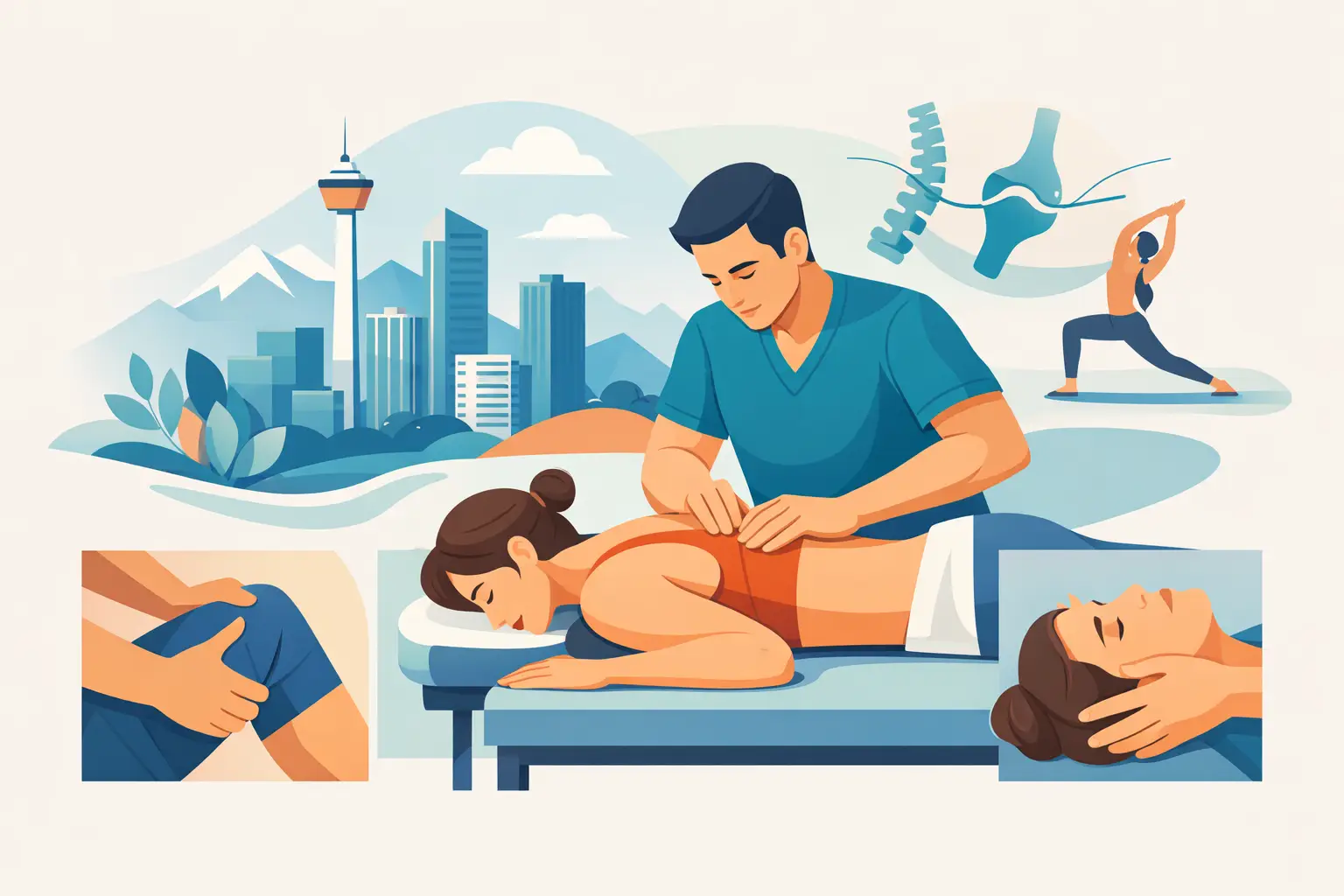
Manual Therapy Calgary: Relief That Restores Movement
A stiff neck that makes checking your blind spot difficult, a low back that tightens after sitting, or an old ankle injury that still changes how you walk can affect far more than comfort. Manual therapy Calgary patients receive at Panorama Physiotherapy and Chiropractic Clinic is designed to address these movement problems with focused, hands-on care that supports meaningful recovery.
Manual therapy is not a single technique or a quick fix. It is a clinical approach used by trained practitioners to assess how joints, muscles, connective tissue, and nerves may be contributing to pain or limited movement. The right treatment depends on your symptoms, health history, goals, and how your body responds over time.
What Is Manual Therapy?
Manual therapy involves skilled, hands-on techniques used to improve mobility, reduce muscle tension, and help painful areas move more comfortably. Depending on your assessment, a physiotherapist, chiropractor, or other qualified provider may use joint mobilization, soft-tissue work, stretching, trigger-point techniques, or other targeted methods.
The goal is not simply to make an area feel looser for an hour. Effective care considers why the problem developed and what may be keeping it active. For example, shoulder pain may be influenced by limited upper-back movement, rotator cuff weakness, repetitive work demands, or a recent injury. Hands-on treatment can be helpful, but it is often most effective when paired with a plan to restore strength, control, and confidence in movement.
Some patients notice a change after the first appointment. Others, especially those with long-standing pain or more complex injuries, need a gradual approach. Your provider should explain what they are treating, why they recommend a technique, and what progress may reasonably look like.
When Manual Therapy in Calgary May Help
Manual therapy may be part of a treatment plan for many musculoskeletal concerns. It is commonly used when pain, stiffness, or restricted movement is making everyday activity more difficult.
People often seek care for neck and back pain, headaches related to muscle or joint tension, shoulder discomfort, hip or knee pain, sports injuries, repetitive strain, and stiffness after a motor vehicle accident. It may also be useful during recovery from a workplace injury, after immobilization, or when movement has become guarded because of pain.
The treatment is not reserved for athletes or people with a new injury. Adults managing desk-related discomfort, seniors working to preserve mobility, and children or teens recovering from activity-related injuries can all benefit from an appropriate assessment. The deciding factor is not age or fitness level. It is whether hands-on treatment fits the cause of the symptoms and your overall care goals.
Manual therapy is also not appropriate for every condition or every stage of recovery. Acute fractures, certain inflammatory conditions, severe unexplained symptoms, infections, and some medical histories require additional caution or medical evaluation. A careful assessment helps identify when treatment should be modified, delayed, or coordinated with another healthcare professional.
What Happens During a Manual Therapy Assessment?
A good appointment begins with listening. Your provider will ask where symptoms are located, what makes them better or worse, how long they have been present, and how they affect work, sleep, exercise, and daily routines. They will also review relevant injuries, health conditions, medications, imaging, and previous treatment.
Next comes a physical assessment. This may include observing posture and movement, checking joint range of motion, testing strength, and using gentle hands-on examination to identify tender, restricted, or irritated areas. The purpose is not to chase every tight muscle. It is to find patterns that may be contributing to the problem.
Treatment may begin during the same visit if it is appropriate. Your provider may use controlled pressure or movement at a joint or soft tissue area, then reassess how you move and feel. This feedback matters. If a technique does not help or causes a symptom flare, the plan should be adjusted rather than pushed through.
You may also receive practical guidance between visits. That could include a small number of exercises, activity modifications, advice on work setup, or strategies for returning to walking, lifting, sport, or other meaningful activities. Recovery is usually built through the combination of in-clinic treatment and what happens in your day-to-day life.
Manual Therapy Is Stronger When It Is Personalized
Hands-on care can reduce pain and improve movement, but it rarely needs to stand alone. A person recovering from a sprained ankle may need manual therapy to restore joint motion, followed by balance and strengthening work to safely return to running. Someone with persistent low-back pain may benefit from hands-on treatment alongside core and hip conditioning, pacing strategies, and education about comfortable movement.
This is where a multidisciplinary clinic can be valuable. Depending on your needs, manual therapy may be coordinated with physiotherapy, chiropractic care, functional dry needling, acupuncture, cupping, Graston Technique, or other rehabilitation services. These options are not automatically necessary. The best plan is the one that is specific to your diagnosis, preferences, and functional goals.
At Panorama Physiotherapy and Chiropractic Clinic, treatment planning focuses on more than the painful spot. If an underlying movement pattern, work demand, or weakness is contributing to symptoms, your care plan can address those factors while still providing the relief you need now.
What Should Manual Therapy Feel Like?
Manual therapy should feel purposeful, not aggressive. Some techniques involve pressure, stretching, or movement that creates temporary discomfort, particularly around sensitive or tight tissues. However, intense pain is not a requirement for effective treatment.
It is common to feel mild soreness for a day or two after treatment, much like the feeling after unfamiliar exercise. This should be manageable and short-lived. Tell your provider if you experience sharp pain, increasing numbness or tingling, dizziness, significant swelling, or symptoms that feel distinctly worse after a session. Clear communication allows your provider to change the technique, pressure, frequency, or home plan.
There is also a trade-off to consider. Passive treatments can feel relieving, especially when pain is high, but long-term improvement usually requires active participation. The right balance may shift throughout recovery. Early on, symptom relief and gentle mobility may be the priority. As you improve, exercise, progressive loading, and return-to-activity planning typically take a larger role.
Choosing Manual Therapy Calgary Patients Can Feel Confident About
When looking for manual therapy in Calgary, focus on more than a treatment menu. Look for a licensed practitioner who completes a thorough assessment, explains their findings in plain language, and creates a plan tied to what you want to do again. That may mean lifting without fear, sitting through a workday, playing with your children, returning to a sport, or sleeping without being woken by pain.
It is reasonable to ask how a provider will measure progress. Pain levels matter, but so do range of motion, strength, balance, tolerance for activity, and your ability to manage symptoms independently. A care plan should evolve as your body changes rather than follow a one-size-fits-all schedule.
If you are recovering from a car accident, workplace injury, concussion, surgery, or a condition involving dizziness, pelvic health concerns, or nerve symptoms, coordinated care may be particularly helpful. Your practitioner can determine whether manual therapy fits your plan and when another service or medical referral should take priority.
Pain can make your world smaller one avoided movement, one missed workout, one restless night at a time. A thoughtful assessment and individualized hands-on treatment plan can help you begin moving with greater comfort and confidence, while building the strength and control needed to keep moving forward.