
Can Concussion Symptoms Return Later? What It Means
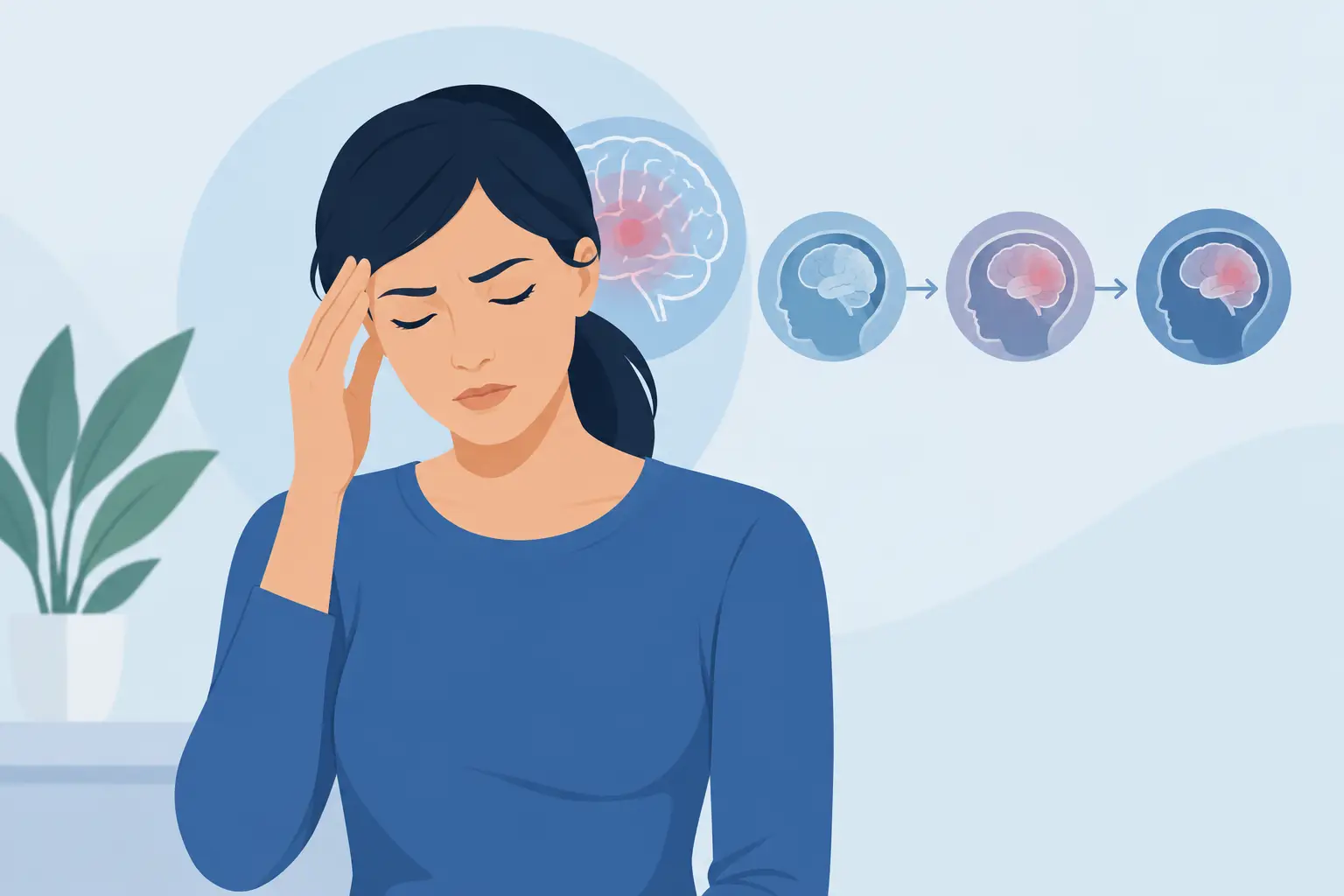
A headache, dizziness, or foggy thinking that returns after you felt better can be unsettling. Can concussion symptoms return later? Yes, they can. But a return of symptoms does not automatically mean you have suffered a new brain injury or that your recovery has failed. It often means your brain and body are being asked to do more than they are currently ready to handle.
Concussion recovery is rarely a straight line. Symptoms can improve for days or weeks, then flare after a busy workday, a hard workout, poor sleep, stress, illness, or too much screen time. The right response is not to push through blindly or stop all activity indefinitely. A focused assessment can identify what is driving the flare and help you return to daily life, work, school, and sport with more confidence.
Why concussion symptoms can return later
A concussion affects how the brain processes information and responds to physical, visual, cognitive, and emotional demands. Early symptoms may include headache, nausea, balance problems, light or noise sensitivity, fatigue, irritability, poor concentration, and changes in sleep. Although symptoms may settle at rest, the systems involved in recovery may still be sensitive.
When activity increases too quickly, symptoms can return or become more noticeable. For example, someone may feel fine over a quiet weekend but develop a headache and mental fatigue after several hours of meetings, driving in heavy traffic, or helping children with homework. An athlete may tolerate walking but experience dizziness when running, turning quickly, or practicing in a visually busy environment.
This pattern is often called symptom exacerbation or a flare-up. It can happen during recovery and may indicate that activity needs to be adjusted, not abandoned. A temporary increase in symptoms should be taken seriously, especially if it is intense, persistent, or follows another impact to the head or body.
Common triggers for a symptom flare
Physical exertion is one common trigger, but it is not the only one. A return of symptoms can also be related to demanding mental work, interrupted sleep, dehydration, skipped meals, stress, alcohol use, illness, or prolonged exposure to screens and bright or busy environments.
Neck injury can play a significant role as well. Concussions often occur with a forceful movement of the head and neck, such as a fall, sports collision, or motor vehicle accident. Neck stiffness, muscle tension, altered joint movement, and headaches originating from the neck can overlap with concussion symptoms. If the neck component is not addressed, headaches, dizziness, and visual discomfort may continue or reappear.
Vestibular and visual systems can also remain sensitive after a concussion. The vestibular system helps control balance and spatial orientation, while the visual system helps the eyes track, focus, and work together. A person may feel normal until they are in a grocery store, scrolling on a phone, driving at night, or moving their head quickly. Those situations place greater demand on systems that may still need rehabilitation.
Can concussion symptoms return later after full recovery?
If you have returned to normal activities without symptoms and then develop similar concerns months later, it is worth looking carefully at the context. Symptoms such as headache, dizziness, fatigue, and difficulty concentrating are not unique to concussion. They can also be related to migraine, neck pain, sleep disruption, anxiety, medication changes, infection, eye strain, or another health concern.
A new impact to the head, face, or body is different. Even if you did not lose consciousness, a new injury can cause another concussion and should be assessed. Repeated concussions or injuries occurring before full recovery deserve particular attention because they may require a more cautious and individualized return-to-activity plan.
There is no single timeline that fits everyone. Some people recover within days or weeks, while others experience symptoms for longer. Age, previous concussion history, migraine history, neck injury, sleep, mental health, work demands, and the nature of the original injury can all influence recovery. The goal is not to compare your progress to someone else’s. It is to understand your current limitations and steadily rebuild tolerance.
When returning symptoms need urgent medical attention
Most concussion symptom flare-ups can be evaluated in a clinic setting, but certain symptoms require emergency medical care. Seek urgent assessment after a head injury if there is worsening or severe headache, repeated vomiting, increasing confusion, unusual behavior, fainting, seizure, weakness or numbness, slurred speech, unequal pupils, severe neck pain, or difficulty waking the person.
Urgent evaluation is also appropriate when symptoms are rapidly worsening rather than gradually settling, or when a person taking blood-thinning medication has had a head injury. When in doubt, it is safer to seek immediate medical advice.
For symptoms that are recurring but not emergent, booking an assessment is still a practical next step. Persistent headaches, dizziness, motion sensitivity, balance concerns, concentration difficulties, or problems returning to work, school, or sport are all reasons to seek support.
What a concussion assessment should look for
Effective concussion care looks beyond a simple symptom checklist. Your provider should ask about the injury itself, previous concussions, work or school demands, sleep, exercise tolerance, headaches, vision, mood, and any neck pain. They may assess balance, eye movements, head and neck movement, coordination, and how symptoms respond to specific tasks.
This broader approach matters because two people with the same diagnosis may need very different care. One may primarily need support for vestibular dizziness. Another may benefit from neck treatment and headache management. A third may be limited by exertion intolerance, visual sensitivity, or difficulty managing a fast-paced return to work.
At Panorama Physiotherapy and Chiropractic Clinic, concussion care can be coordinated with physiotherapy, vestibular rehabilitation, manual therapy, and individualized exercise progression when appropriate. Treatment is based on your assessment findings and functional goals, whether that means getting through a shift without a headache, returning to the gym, driving comfortably, or safely returning to sport.
How to respond to a flare without losing progress
A symptom flare is useful information. Rather than trying to prove you can tolerate an activity, note what happened before symptoms increased, how intense they became, and how long they lasted. This helps identify the right level for your next attempt.
Temporary activity modification is often helpful. If a 60-minute workout triggers dizziness, a shorter and less intense session may be better tolerated. If screens bring on headaches, taking planned visual breaks and gradually increasing exposure can be more effective than avoiding screens completely for weeks. Complete rest may be appropriate very early after an injury, but extended avoidance can reduce confidence and make it harder to rebuild tolerance.
A guided, gradual return is usually the better path. Your clinician may recommend carefully dosed aerobic activity, balance exercises, gaze-stabilization work, neck treatment, visual exercises, or strategies for pacing cognitive tasks. The plan should create manageable challenge without causing a prolonged setback.
Sleep and recovery habits matter, too. Keep a consistent sleep schedule, eat regular meals, stay hydrated, and avoid alcohol or recreational substances while symptoms are active. Build breaks into demanding days before symptoms escalate. These steps will not replace care when symptoms persist, but they can make recovery more predictable.
Returning to work, school, and sport safely
Returning to normal life is an essential part of recovery, but it should be planned. A person with a physically demanding job may need modified lifting, reduced heights, more frequent breaks, or temporary limits on driving or operating equipment. A student may need shorter assignments, extra time for exams, or breaks from visually demanding tasks. Athletes should not return to contact risk until they have progressed through an appropriate protocol and have been medically cleared when required.
Symptoms that return during a progression do not necessarily mean you must start over. They do mean the current stage may be too demanding. Adjusting the dose, treating the contributing systems, and progressing again is often more productive than either forcing the next step or stopping all activity.
Your recovery deserves more than a wait-and-see approach. If symptoms return, a personalized concussion assessment can help clarify why, address the systems involved, and create a realistic path back to the activities that matter to you.