
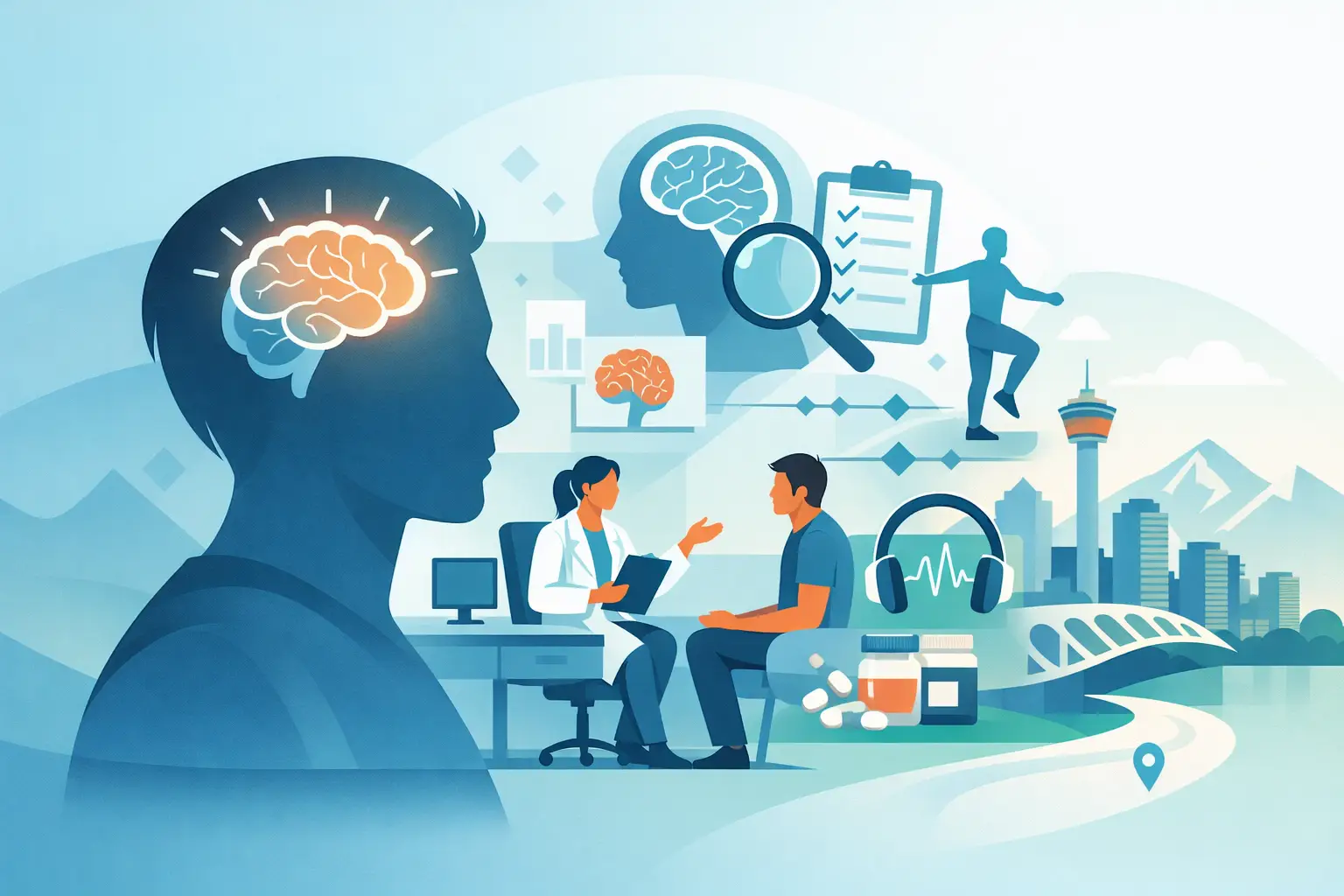
Concussion Clinic Calgary for Personalized Recovery
A concussion can change more than a game day or a work shift. Headaches, dizziness, fatigue, poor concentration, sleep changes, and sensitivity to light or noise can make ordinary routines feel unexpectedly difficult. At a concussion clinic Calgary patients can access focused assessment and rehabilitation that looks beyond the initial injury, helping them move toward a safer, more confident return to school, work, sport, and daily life.
Concussions are common after sports impacts, falls, motor vehicle accidents, and workplace injuries. They can affect children, teens, adults, and seniors differently, and recovery rarely follows a perfect timeline. Some people feel substantially better within days or weeks. Others continue to experience symptoms that interfere with function long after the initial injury.
The right care begins with listening carefully, assessing the full picture, and building a plan around what you need to return to.
When to Seek Care at a Concussion Clinic in Calgary
A concussion should always be taken seriously, even when imaging is normal or symptoms initially seem mild. If symptoms are lingering, getting worse, or preventing you from participating in daily activities, a clinical assessment can help identify the systems involved and guide the next steps.
Seek urgent medical attention right away for red-flag symptoms such as repeated vomiting, worsening severe headache, loss of consciousness, seizure, increasing confusion, unusual behavior, weakness or numbness, slurred speech, or one pupil appearing larger than the other. These symptoms may require emergency assessment rather than routine rehabilitation.
For non-emergency symptoms, concussion rehabilitation can be helpful when you are dealing with persistent headaches, neck pain, dizziness, balance concerns, visual strain, brain fog, fatigue, motion sensitivity, or difficulty tolerating screens. Students who cannot keep up with classwork, workers struggling to manage a full day, and athletes unsure when it is safe to return to training can all benefit from individualized guidance.
Why Symptoms Can Last Beyond the Initial Injury
Concussion recovery is not only about waiting for symptoms to disappear. The brain, nervous system, balance system, vision, neck, sleep patterns, and activity tolerance may all play a role. That is why two people with similar injuries can have very different recovery experiences.
For example, a person may describe ongoing headaches that are partly driven by neck stiffness after a collision. Another may feel dizzy in busy stores because their vestibular system is struggling to process movement and visual information. Someone else may have reduced exercise tolerance, disrupted sleep, or difficulty concentrating after extended screen time.
A thorough assessment helps distinguish these patterns. Rather than treating every symptom as the same problem, a clinician can determine which factors are most likely limiting recovery. This approach supports targeted treatment and avoids the frustration of following generic advice that does not match your symptoms or goals.
What a Concussion Assessment May Include
Your first appointment should be centered on your experience, not a rushed checklist. A practitioner will discuss how the injury happened, when symptoms began, what makes them better or worse, your previous health history, and the demands of your usual day.
The physical assessment may examine neck movement and strength, posture, balance, eye movement, visual tracking, coordination, walking, and tolerance to activity. Depending on your symptoms, the assessment may also consider vestibular function, headache patterns, sleep, and how you respond to cognitive or physical exertion.
This information helps create a treatment plan with realistic benchmarks. The goal is not simply to reduce symptoms at rest. It is to steadily improve your ability to do the things that matter to you, whether that means walking the dog without dizziness, completing a workday, participating in class, driving comfortably, or returning to sport.
Recovery Is Individual, Not All-or-Nothing
Complete rest was once commonly recommended for long periods after a concussion. While a short period of relative rest may be appropriate early on, prolonged withdrawal from all activity is not always helpful. Many patients benefit from a gradual, symptom-guided return to physical, cognitive, and social activity.
The pace matters. Pushing through significant symptoms can set recovery back, but avoiding all activity for too long can also reduce conditioning, confidence, and tolerance. A rehabilitation plan should help you find the middle ground, progressing in manageable steps and adjusting when symptoms flare.
Treatment Options for Persistent Concussion Symptoms
Treatment depends on the findings of your assessment. A multidisciplinary setting can be especially valuable because concussion symptoms may overlap with musculoskeletal, vestibular, and functional concerns.
Physiotherapy may include guided exercise, balance training, vestibular rehabilitation, visual-motor exercises, and education around pacing. For patients with dizziness, vestibular rehabilitation can help retrain the balance system through carefully selected movements and exposure exercises.
Neck-focused treatment may be considered when cervical pain, restricted movement, or muscle tension is contributing to headaches or dizziness. Hands-on therapy, mobility work, strengthening, and posture strategies can support improved movement and symptom management when clinically appropriate.
A progressive exercise program can also be an important part of care. Sub-symptom aerobic activity, prescribed at the right intensity, may help rebuild tolerance to exertion without overwhelming the nervous system. The exact starting point depends on your symptoms, medical history, and current capacity.
For some patients, care also includes practical strategies for sleep, screen use, classroom modifications, work duties, hydration, and daily pacing. These details can make a meaningful difference because recovery happens between appointments as well as during them.
Returning to School, Work, and Sport Safely
A return to activity should be gradual and guided by your symptoms and function. Returning too quickly can increase discomfort and create uncertainty, while delaying progress without a clear reason can make it harder to regain routine and confidence.
For students, the process may involve temporarily reducing screen time, allowing rest breaks, modifying workload, or adding academic demands in stages. For workers, a plan may include shorter shifts, lighter duties, reduced exposure to busy environments, or scheduled breaks before returning to a full workload.
Athletes need a structured return-to-sport progression. Being free of symptoms while sitting quietly does not automatically mean the body is ready for drills, contact, or competition. Exercise intensity, sport-specific movement, non-contact practice, and full participation should be added in stages. Medical clearance requirements may vary by sport, age, school, and governing organization.
Parents should also know that children and teens may not always describe symptoms clearly. Changes in mood, sleep, school performance, irritability, or willingness to participate in usual activities can be meaningful. A patient-centered assessment gives families clear guidance without minimizing a young person’s experience.
Choosing a Calgary Concussion Care Team
When choosing concussion care, look for practitioners who take time to assess symptoms from multiple angles and explain what they find in plain language. You should understand why specific exercises or treatments are being recommended, what progress may look like, and when your plan will be reassessed.
It is also helpful to choose a clinic that can address related concerns under one roof. If your concussion includes neck pain, dizziness, balance issues, or activity intolerance, coordinated care can reduce the need to manage separate, disconnected treatment plans.
At Panorama Physiotherapy and Chiropractic Clinic, concussion care is built around individualized assessment, evidence-informed rehabilitation, and measurable functional goals. Whether your injury happened during sport, a collision, a fall, or at work, the focus is on helping you regain movement, confidence, and the ability to participate in everyday life.
Recovery after a concussion is rarely helped by guesswork or pressure to simply push through. A clear assessment, a paced plan, and professional support can give you a practical path forward, one step and one meaningful activity at a time.