
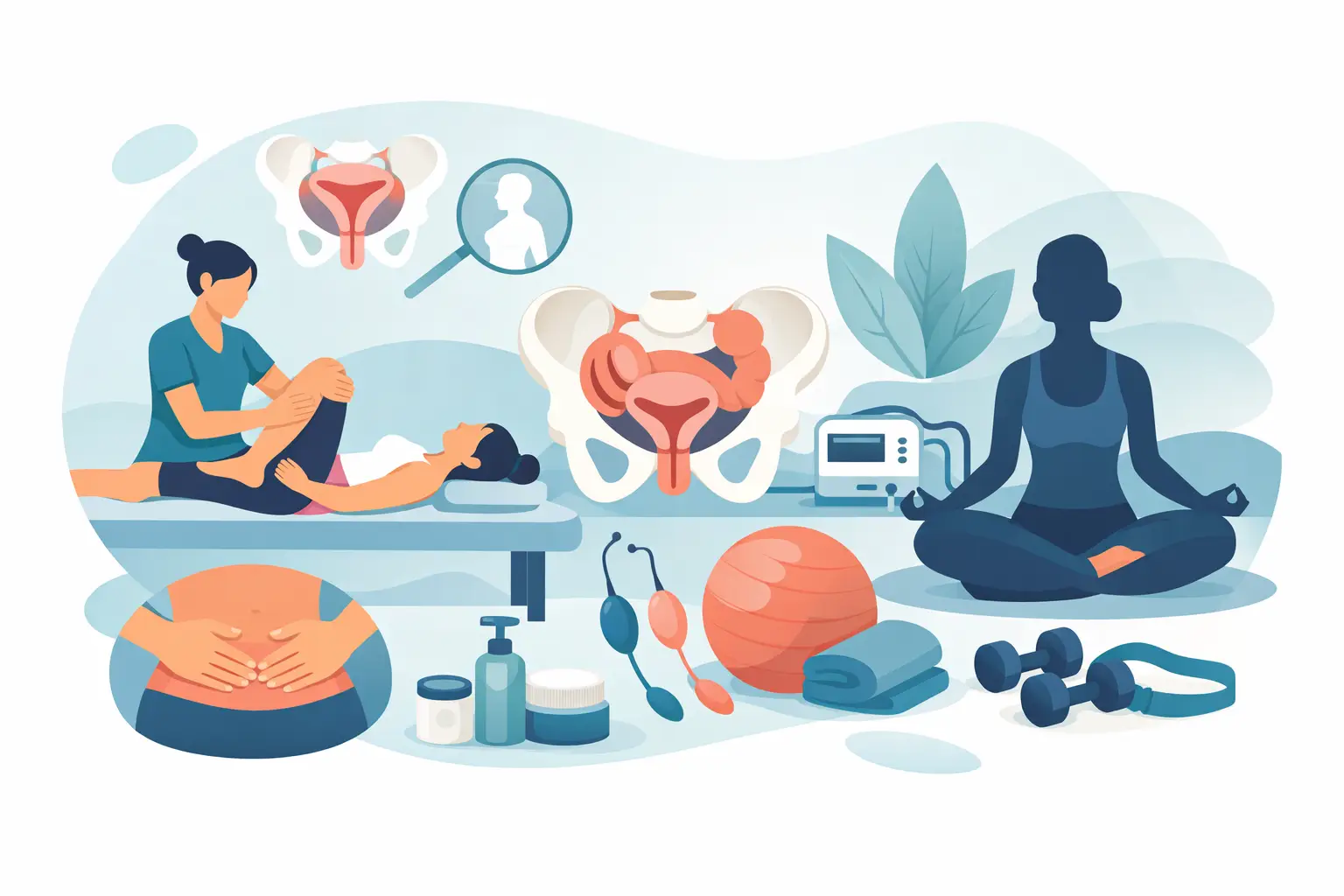
A Clear Guide to Pelvic Health Physiotherapy
Leaking when you sneeze, pelvic pain during exercise, pressure that feels hard to explain, or discomfort with intimacy can be easy to dismiss at first. A good guide to pelvic health physiotherapy starts with this: these symptoms are common, but they are not something you simply have to live with. In many cases, they can be assessed and treated with the right plan.
Pelvic health physiotherapy focuses on the muscles, connective tissues, joints, and nerves that support the bladder, bowel, and reproductive organs. It can help people recover function, reduce pain, and feel more confident in daily life. That might mean getting back to running after childbirth, managing urgency at work, or reducing pain that has been present for months or even years.
What pelvic health physiotherapy actually treats
The pelvic floor is a group of muscles at the base of the pelvis. These muscles help support internal organs and play a role in bladder control, bowel control, sexual function, posture, and core stability. When they are too weak, too tense, poorly coordinated, or affected by injury, symptoms can show up in ways that are not always obvious.
Pelvic health physiotherapy may help with urinary leakage, urgency, frequency, constipation, pelvic organ prolapse symptoms, tailbone pain, low back or hip pain linked to pelvic dysfunction, pain during pregnancy, postpartum recovery, and pelvic pain with intimacy or tampon use. It can also support recovery after abdominal or pelvic surgery, including C-section and hysterectomy.
For men, pelvic health physiotherapy may be part of care for urinary symptoms, pelvic pain, post-prostate surgery recovery, or tension in the pelvic floor that contributes to pain or difficulty with bowel movements. For children, bowel and bladder concerns sometimes have a pelvic floor component as well, although treatment plans are adjusted carefully by age and symptoms.
The reason this matters is simple. Pelvic floor problems rarely stay limited to one area. A bladder issue can affect exercise habits. Pain can affect sleep, work, and relationships. Core weakness can change how the back, hips, and abdominal muscles function together. Good treatment looks at the whole picture, not just one symptom.
Who should read this guide to pelvic health physiotherapy
If you have been told that symptoms are normal because of pregnancy, aging, heavy lifting, or menopause, it is still worth getting assessed. Common does not always mean healthy. Many pelvic health concerns improve with targeted treatment, especially when the plan is based on your specific findings rather than a generic set of exercises.
This guide to pelvic health physiotherapy is especially relevant if symptoms are starting to limit what you do. Maybe you map out every bathroom before leaving home. Maybe workouts feel different after delivery. Maybe there is persistent pressure, heaviness, or pain that you have never had checked because it feels awkward to bring up. Pelvic health physiotherapists work with these concerns every day, and the goal is to create a safe, respectful treatment process.
What happens during an assessment
One reason people delay care is uncertainty about what the first visit will involve. A pelvic health assessment typically starts with a conversation about your symptoms, health history, pregnancies or surgeries if relevant, activity level, and goals. Your physiotherapist will want to know when symptoms happen, what makes them worse, and how they affect daily life.
From there, the physical assessment may include posture, breathing patterns, abdominal function, hip and low back movement, and how your core muscles work together. Depending on your symptoms and consent, an internal pelvic floor exam may be recommended to assess muscle tone, strength, coordination, tenderness, and tissue mobility. This can provide useful information, but it is not mandatory. Education, external assessment, and a modified plan can still be helpful when an internal exam is not appropriate or not something you want.
That flexibility matters. The best care is not one-size-fits-all. During pregnancy, early postpartum recovery, periods of active pain, or a history of trauma, the assessment and treatment approach may need to be adjusted. A skilled clinician explains why a technique is being recommended and respects your comfort level throughout care.
Treatment is more than Kegels
Many people assume pelvic floor therapy means doing Kegels. Sometimes strengthening is part of the plan, but not always. In fact, some pelvic floor problems are driven more by tension, overactivity, poor relaxation, or lack of coordination than by weakness.
If muscles are already tight and guarded, repeated squeezing can make symptoms worse. That is why assessment matters. Treatment might focus on breathing mechanics, relaxation strategies, pelvic floor lengthening, manual therapy, scar tissue mobility, posture changes, bladder retraining, bowel habit education, or progressive strengthening for the hips, abdominals, and pelvic floor together.
This is where pelvic health physiotherapy becomes practical. The goal is not simply to improve a test result in the clinic. It is to help your body handle real tasks better, whether that is lifting a child, returning to the gym, sitting through a workday comfortably, or getting through the night without repeated urgency.
When pelvic health physiotherapy helps most
There is no single perfect time to start. Some people come in soon after symptoms begin. Others seek care after years of trying to manage on their own. Both situations are valid.
Early treatment can prevent compensation patterns from becoming more stubborn. For example, after childbirth or pelvic surgery, people often benefit from guidance on pressure management, scar healing, bowel habits, and a gradual return to activity. At the same time, long-standing symptoms can still improve. Recovery may take more time if pain, fear of movement, or layered muscle tension have been present for a while, but change is still possible.
Pregnancy is another important window. Pelvic health physiotherapy can help with pelvic girdle pain, back pain, pressure, and preparation for labor and early postpartum recovery. It can also help patients understand what is normal, what deserves follow-up, and how to move with less strain as the body changes.
What results can look like
Results vary based on the condition, how long symptoms have been present, medical history, and consistency with treatment. Some people notice early changes in awareness, pain reduction, or bladder control within a few visits. Others need a longer progression, especially if symptoms are complex or tied to surgery, hormonal changes, or chronic pain.
A realistic treatment plan focuses on measurable function. That may mean fewer leaks, less pelvic heaviness by the end of the day, easier bowel movements, reduced pain with intimacy, or more confidence during lifting and exercise. Good progress is not always perfectly linear. Some weeks go better than others, and treatment often needs to be adjusted as your body responds.
This is also where a multidisciplinary setting can be valuable. If pelvic symptoms overlap with low back pain, hip dysfunction, postural strain, or recovery after an accident, coordinated care can help address contributing factors rather than chasing symptoms in isolation.
How to choose the right provider
Credentials and communication both matter. Pelvic health is personal, and patients need a provider who is clinically trained, clear in their explanations, and respectful in how care is delivered. You should feel heard, not rushed.
Look for a physiotherapist with specific training in pelvic health assessment and treatment. It also helps to choose a clinic that values individualized care. Not every case needs the same techniques or the same timeline. Someone recovering after delivery will need a different plan than someone with chronic pelvic pain, and both deserve thoughtful treatment.
For patients in North Calgary, working with a clinic that can coordinate physiotherapy with other hands-on and rehabilitation services can make recovery more efficient when symptoms involve more than one body region. At Panorama Physiotherapy and Chiropractic Clinic, that team-based model is part of how care is built around the person, not just the diagnosis.
Common questions people hesitate to ask
People often wonder whether treatment will be uncomfortable. The honest answer is that it depends on the condition and the techniques used. Assessment should never feel forced, and your physiotherapist should explain each step before proceeding. Some tenderness can be present when irritated tissues are involved, but care should stay within a manageable range.
Another common question is whether you need a referral. In many cases, you can book directly, though insurance plans sometimes have their own requirements. Patients also ask whether they should wait until symptoms get worse. Usually, the better approach is the opposite. If something feels off and it is affecting your function, getting answers earlier can save time and frustration.
Pelvic symptoms can feel isolating, but they are treatable more often than people realize. The hardest part is often taking the first step and saying the problem out loud. Once that happens, the path forward usually feels much clearer.