
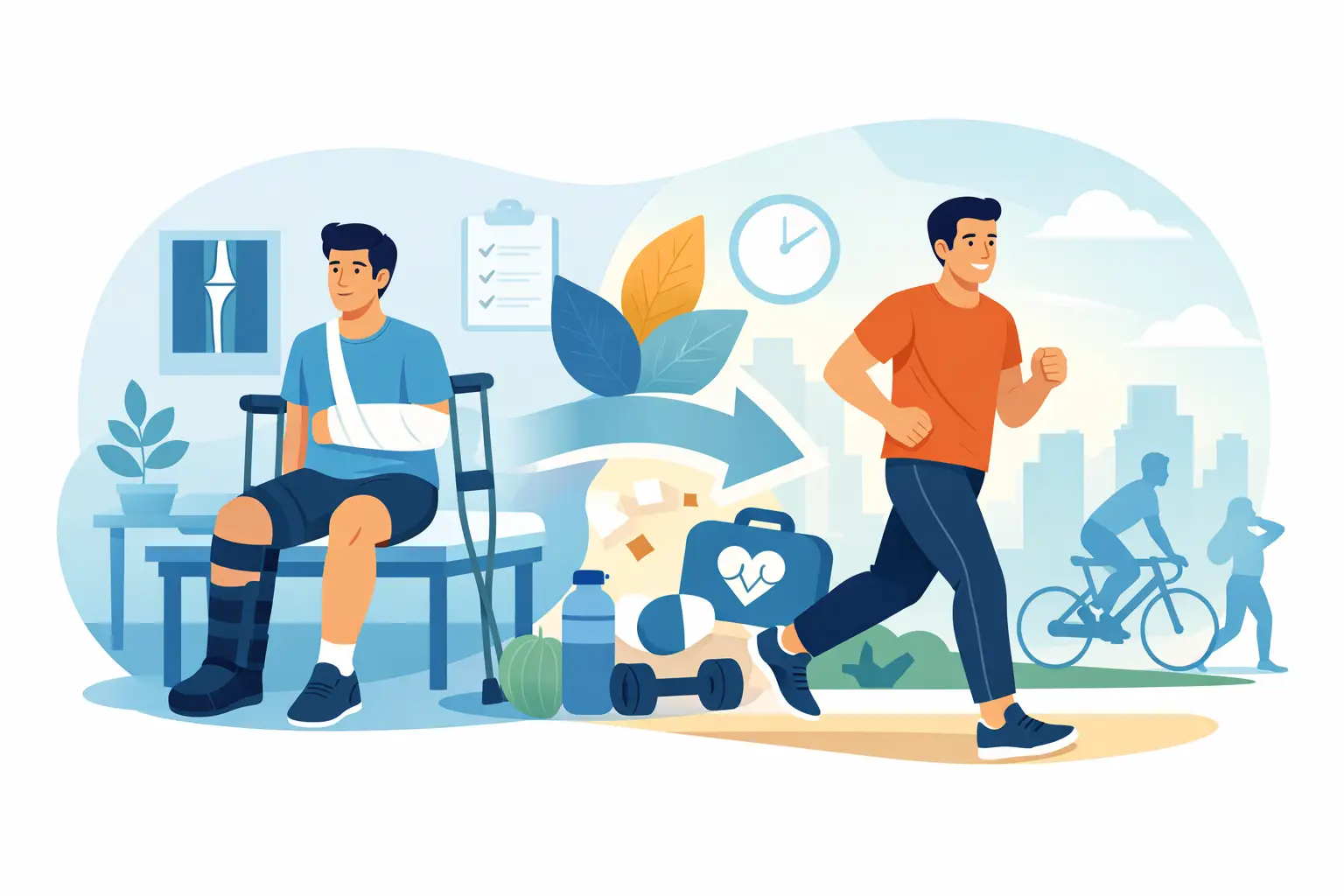
A Guide to Work Injury Recovery That Keeps You Moving
A work injury can change an ordinary shift in seconds. A back strain after lifting, a sore shoulder from repetitive reaching, or a fall that leaves you guarded and stiff can make work, sleep, driving, and family life harder. This guide to work injury recovery explains how to move from the first painful days toward safer, more confident function without pushing through symptoms or putting your life on hold.
Start With a Clear Assessment
Pain is a signal, but it does not always reveal the full problem. A sore wrist may involve irritated tendons, reduced grip strength, or a change in how you are using your shoulder. Low back pain after lifting may be influenced by hip mobility, core control, work technique, and the demands of your role. An assessment helps identify the structures and movement patterns that need attention.
Early evaluation is especially useful when pain is limiting your ability to walk, lift, reach, sit, climb stairs, or complete normal job tasks. A licensed provider can assess range of motion, strength, balance, joint mechanics, and functional tolerance. They can also identify signs that require medical follow-up, such as severe weakness, progressive numbness, loss of coordination, significant swelling, or pain that is worsening rather than settling.
A good recovery plan should be built around your injury and your actual work. The needs of a warehouse employee, office worker, health care provider, tradesperson, and delivery driver are not the same. Treatment should account for the movements, positions, loads, and pace your job requires.
Protect the Injury Without Stopping All Movement
Rest has a role after an injury, particularly when a movement sharply increases symptoms. However, complete inactivity for too long can lead to stiffness, loss of strength, reduced confidence, and slower return to daily activity. The goal is usually relative rest: temporarily reducing the movements that aggravate the injury while staying safely active in other ways.
For example, someone with an irritated shoulder may need to avoid repeated overhead lifting for a period, but may still benefit from gentle shoulder mobility work, walking, and lower-body exercise. Someone with acute back pain may need to limit heavy bending and twisting, while continuing short, comfortable walks and guided movement exercises.
Pain levels matter, but they are not the only measure of progress. Mild discomfort during rehabilitation can sometimes be expected. Sharp pain, rapidly increasing symptoms, new numbness, or symptoms that linger substantially longer after exercise are signs to adjust the activity. Your provider can help establish a safe threshold so you are not guessing.
Treat More Than the Painful Area
Effective work injury care focuses on relieving symptoms while restoring the capacity to do the things that matter to you. Depending on the assessment, physiotherapy may include targeted exercise, manual therapy, education, and progressive functional training. Chiropractic care may help address joint mobility and movement restrictions when it is appropriate for your condition. Complementary options such as acupuncture, functional dry needling, cupping, or cold laser therapy may also be considered as part of an individualized plan.
No single treatment fits every injury. Hands-on treatment may help ease pain and improve mobility, but exercise and gradual exposure to work tasks are often what build lasting tolerance. Conversely, trying to exercise through substantial pain without addressing movement restrictions or poor mechanics may be frustrating and unproductive. The right balance depends on your diagnosis, irritability level, goals, and response to care.
At Panorama Physiotherapy and Chiropractic Clinic, a multidisciplinary approach can make this process more coordinated. When appropriate, practitioners can combine perspectives to address pain relief, mobility, strength, and return-to-work function under one roof.
Build Capacity for the Work You Need to Do
Returning to work is not simply about feeling better at rest. It is about being able to repeat the demands of your day with greater control and less symptom flare-up. That requires progressive rehabilitation.
A rehabilitation program may begin with basic mobility, gentle activation, and exercises that restore confidence in the injured area. As symptoms improve, the focus can shift toward strength, endurance, balance, lifting mechanics, grip, carrying, reaching, or task-specific conditioning. Someone returning to a job involving ladders may need balance and lower-body control. Someone who works at a computer may need postural endurance, neck and shoulder mobility, and workstation adjustments. A worker who lifts materials may need a gradual plan for squatting, carrying, pushing, and pulling.
Progression should be measured, not rushed. Increasing weight, repetitions, time on task, or movement complexity too quickly can trigger a setback. Increasing too slowly can leave you underprepared for your job. Your plan should challenge you enough to create improvement while respecting the injury’s current limits.
Use Modified Duties Strategically
Modified duties can be an important bridge between time away from work and full job demands. They are most helpful when the restrictions are specific and connected to your functional abilities. “Light duties” is often too vague to guide a successful return. Clear guidance may address lifting limits, frequency of bending or overhead work, standing duration, repetitive hand use, driving, or the need for scheduled movement breaks.
Communication matters. If your workplace can understand what you can do safely, it may be easier to identify productive temporary tasks. Keep your care provider informed about how your symptoms respond to a modified schedule. If a task causes a predictable flare-up, that information can help refine the plan rather than becoming a reason to abandon recovery.
Modified work is not a sign of weakness. It is a practical tool for maintaining routine, rebuilding tolerance, and reducing the gap between rehabilitation exercises and real-life demands.
Address the Habits That Can Slow Recovery
Work injuries often expose a problem that has been building for weeks or months. Repetitive strain, rushed lifting, poor workstation setup, limited recovery between shifts, and reduced conditioning can all contribute. Recovery is a chance to address those factors without placing blame on yourself.
Small changes can make a meaningful difference. Adjusting monitor height, changing how often you alternate tasks, using supportive positioning, practicing safer lift setup, or taking brief movement breaks may reduce repeated irritation. Sleep, hydration, nutrition, and stress management also influence pain sensitivity and tissue recovery. These are not substitutes for clinical care, but they can support it.
Mental stress deserves attention as well. After an injury, many workers worry about reinjury, lost income, or whether they can meet expectations. This concern is understandable. A graded plan with clear milestones can replace uncertainty with evidence that your body is becoming more capable. If fear of movement is keeping you from activity, tell your provider. It can be addressed as part of rehabilitation.
Know When Symptoms Need Prompt Attention
Most musculoskeletal injuries improve with appropriate care and gradual activity. Some symptoms need more urgent medical assessment. Seek prompt attention for severe or worsening weakness, numbness that spreads, loss of bowel or bladder control, significant head injury symptoms, chest pain, a visibly deformed joint, inability to bear weight after trauma, or signs of infection such as fever and increasing redness.
You should also follow the reporting and medical guidance required by your employer, insurer, or local workplace injury program. Documentation can be useful for tracking symptoms, treatment, restrictions, and progress. Your health care team can help explain functional findings and support a recovery plan that is realistic for your role.
A Recovery Plan Should Change as You Improve
The plan that helps in week one may not be the plan you need in week six. Early care may prioritize pain reduction, mobility, and calming an irritated area. Later sessions should increasingly focus on strength, endurance, work simulation, and preventing recurrence. Regular reassessment makes sure treatment remains aligned with your progress rather than repeating the same approach out of habit.
Recovery is rarely perfectly linear. A demanding shift, poor sleep, or an unexpected movement can cause a temporary increase in symptoms. A flare-up does not automatically mean you have caused new damage. It is often useful information about current capacity, and it can guide the next adjustment.
The most encouraging goal is not merely getting through a shift with less pain. It is rebuilding the confidence and physical capacity to move well at work and still have energy for the rest of your life. If an injury is keeping you from doing either, an individualized assessment can give your recovery a clear place to start.